Do you yearn for a less-trodden path through the majestic landscapes of the Great Smoky Mountains? The Benton MacKaye Trail (BMT) offers a compelling alternative to the more heavily trafficked Appalachian Trail (AT). Winding its way through the heart of the Smokies, the BMT provides a rugged and rewarding backcountry experience. However, camping along the BMT within the Great Smoky Mountains National Park (GSMNP) requires careful planning and adherence to specific park regulations.
Unlike some sections of the BMT outside the park where dispersed camping is permitted, camping within the GSMNP is restricted to designated backcountry campsites and shelters. This is crucial for protecting the park’s fragile ecosystem and managing visitor impact. For those dreaming of starry nights and serene mornings amidst the Smokies’ peaks while traversing the BMT, securing the necessary permits and understanding the rules is the first step.
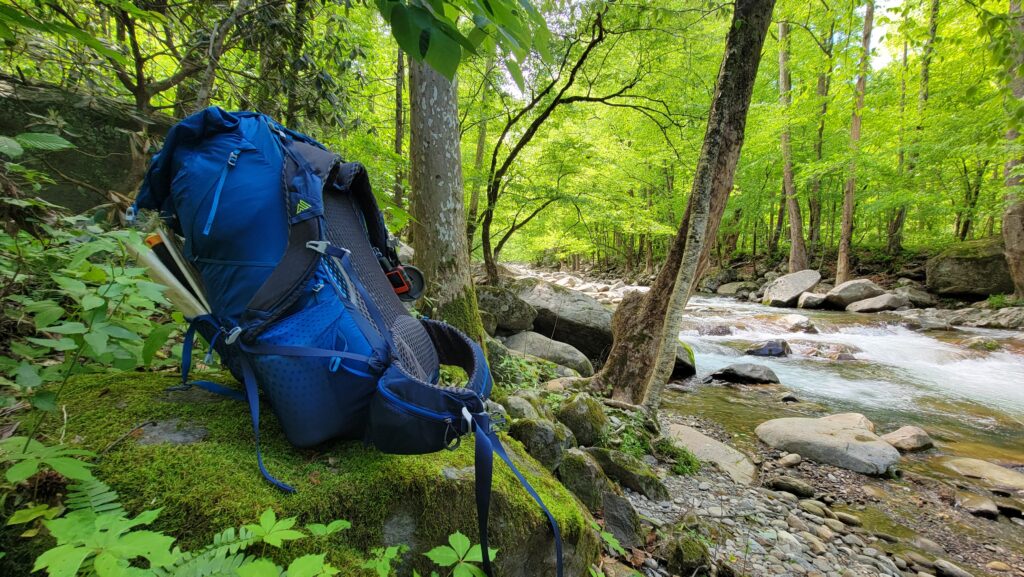
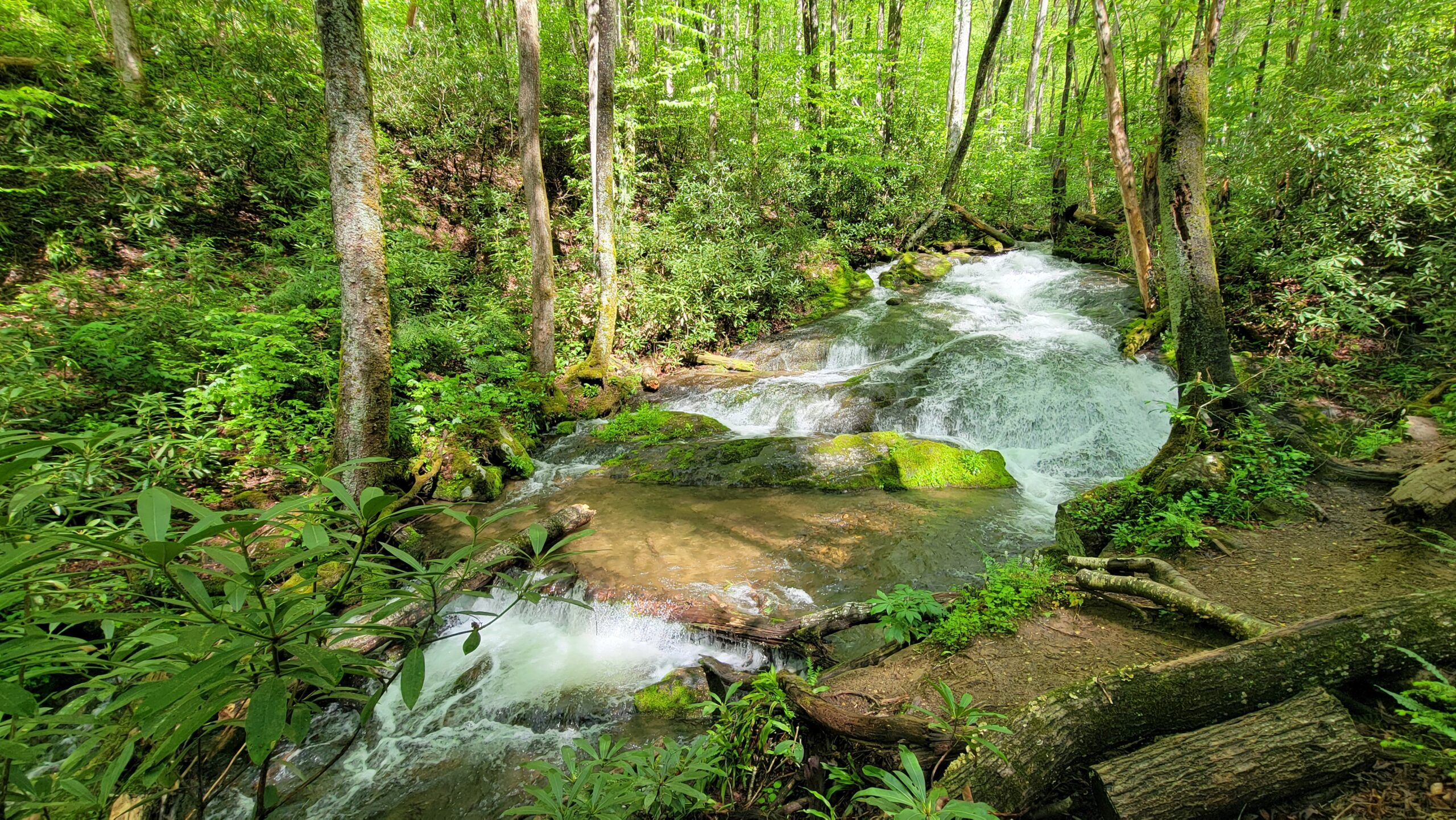
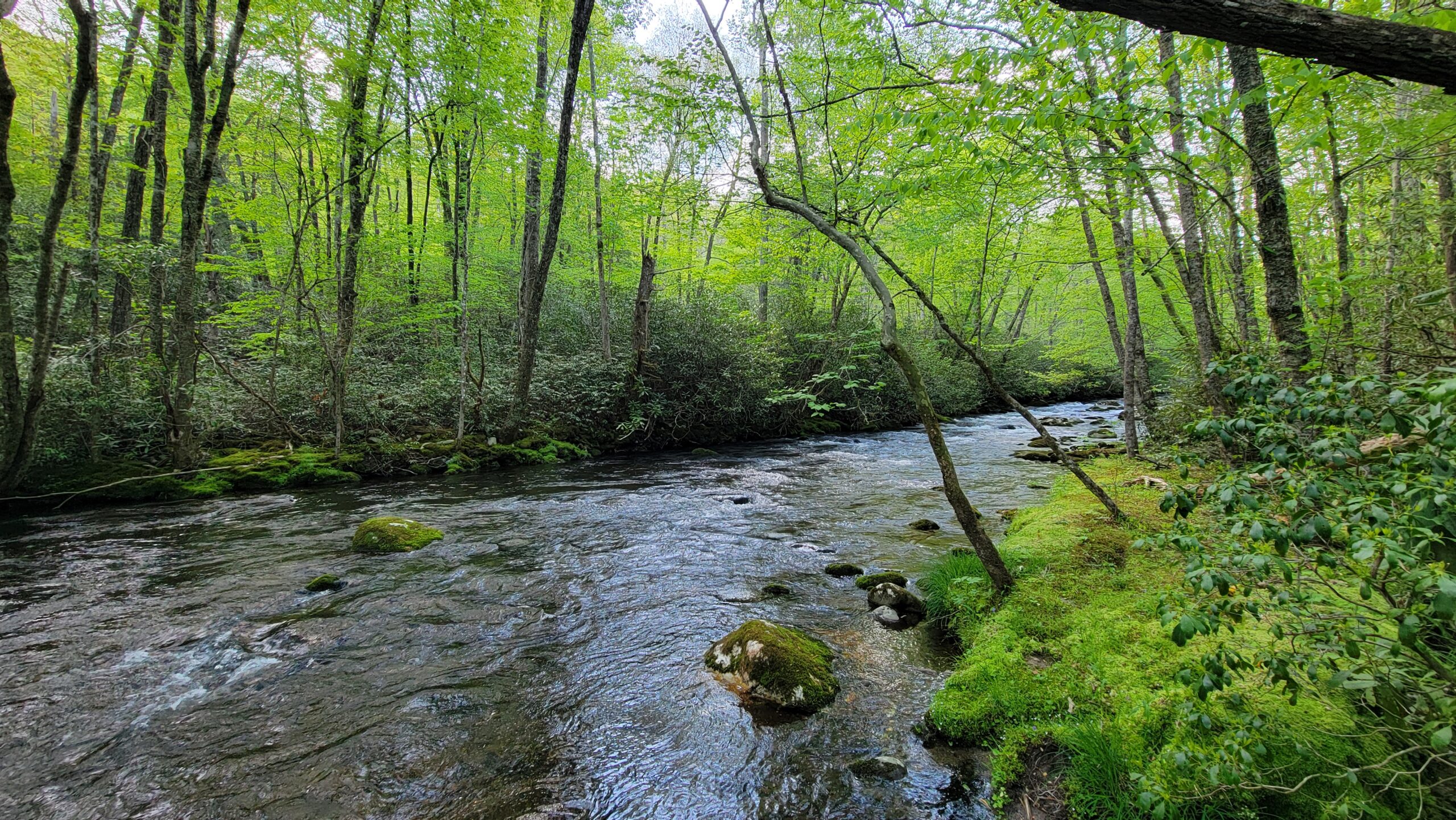
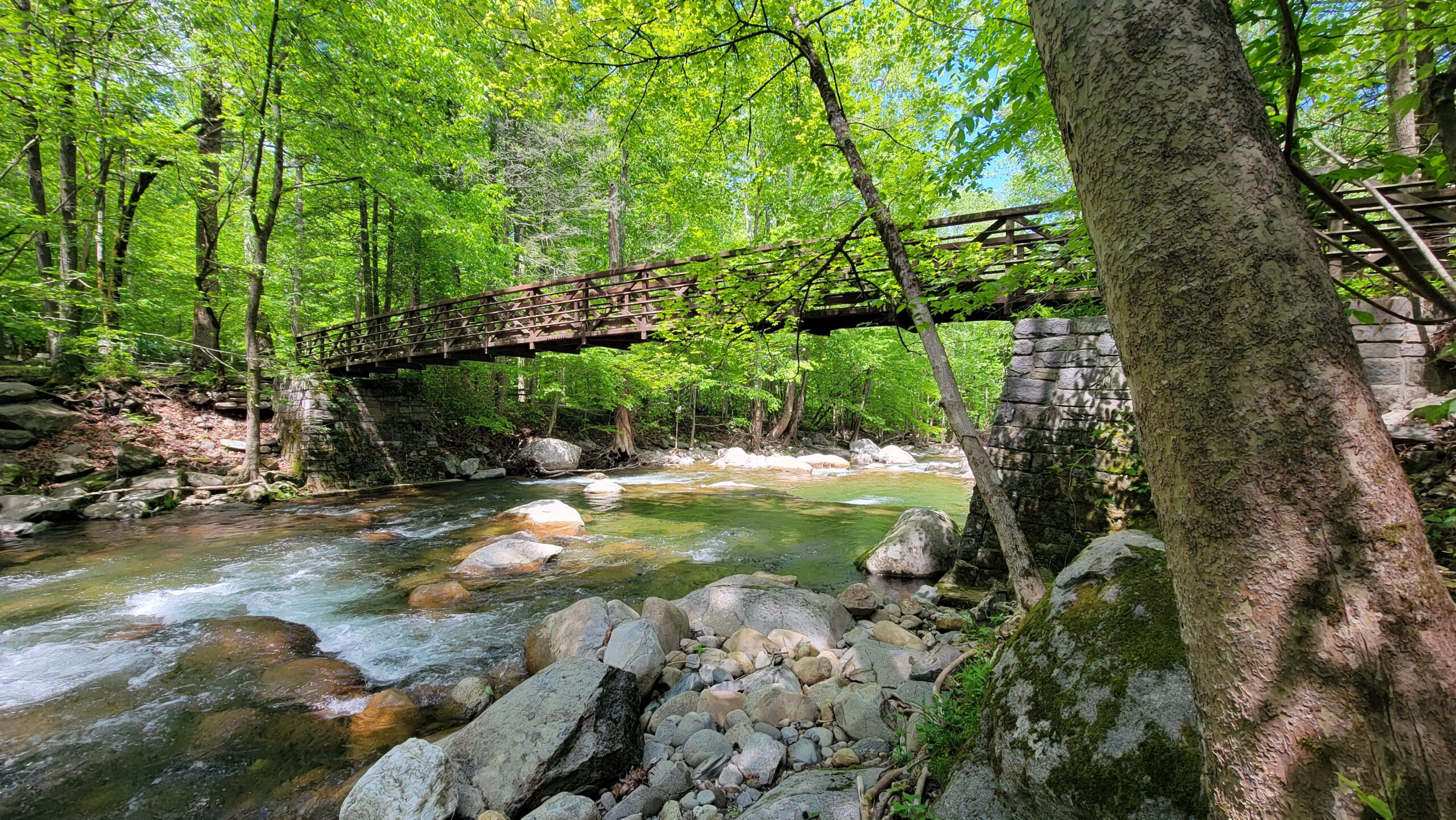
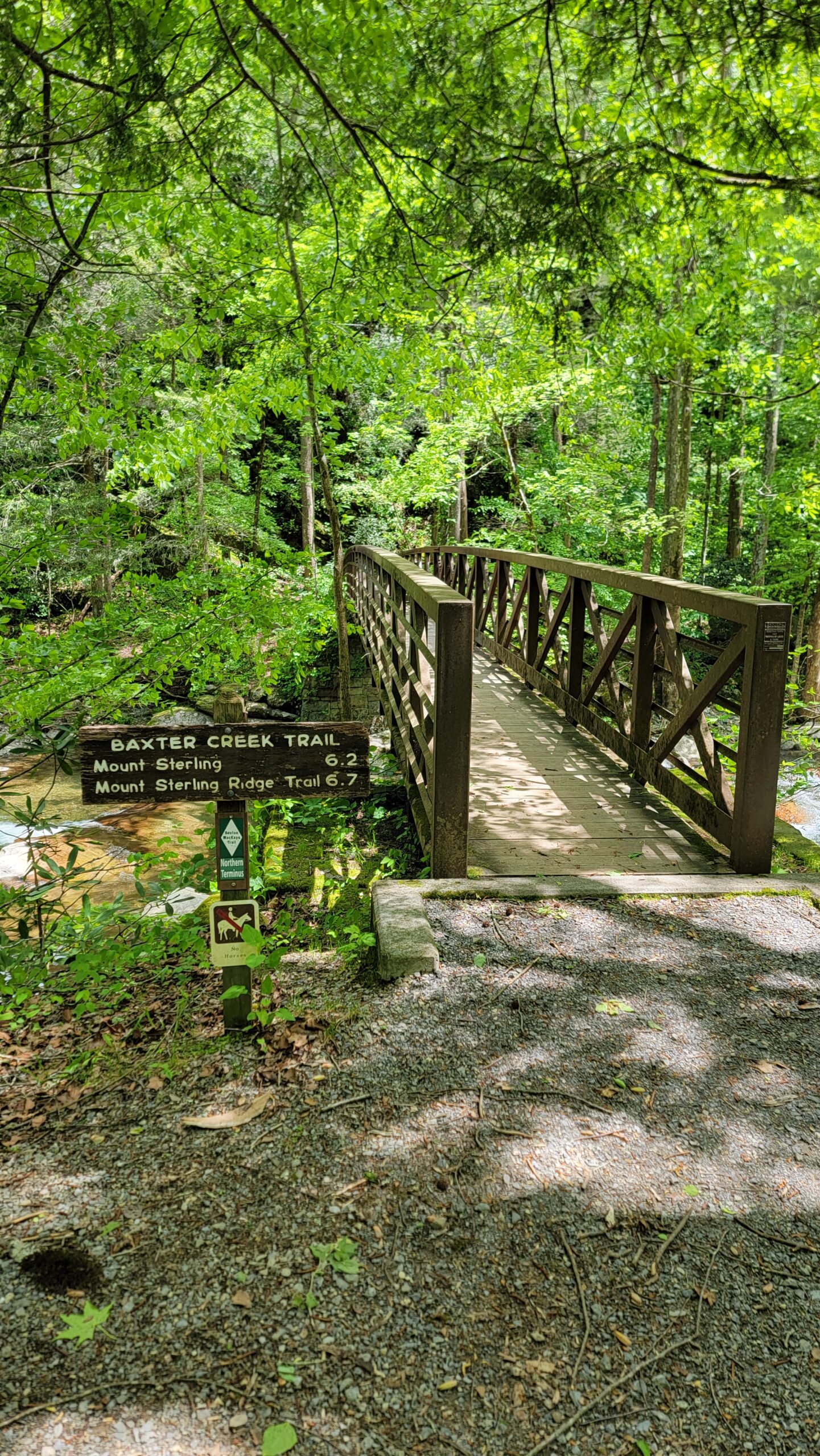
Big Creek at northern terminus of the BMT
Navigating the Red Tape: Permits and Reservations
To camp overnight in the backcountry of the GSMNP, including along the BMT, you mustobtain a permit and make advance reservations. The park has moved away from a first-come, first-served system for backcountry sites, making planning ahead essential, especially during peak seasons. The permit system helps the park manage capacity at campsites and ensures visitors are prepared for the rigors of the backcountry.
Reservations for backcountry campsites and shelters can be made through the park’s online system or by calling the Backcountry Information Office, (865) 436-1297. It’s highly recommended to book your sites well in advance, particularly if you have a specific itinerary in mind. When planning your BMT journey through the Smokies, identify the designated campsites or shelters that align with your desired daily mileage. For additional resources on planning your BMT hike through the GSMNP, see this link here on our website.
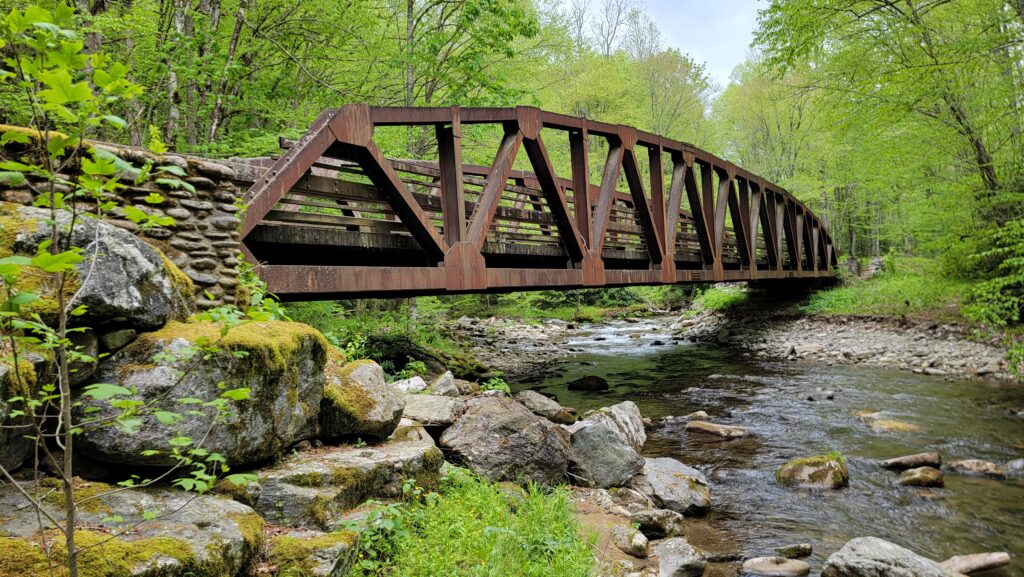
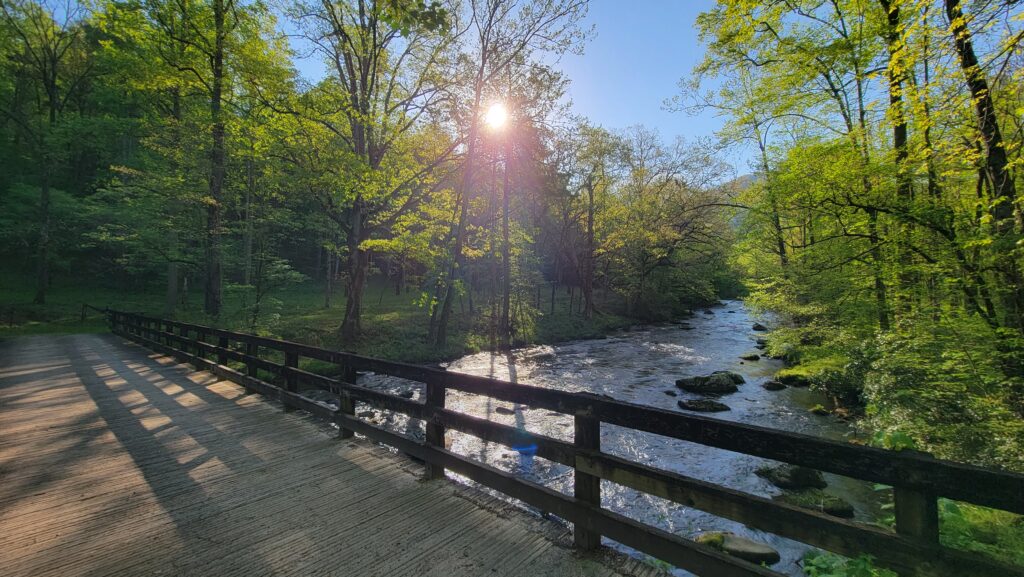
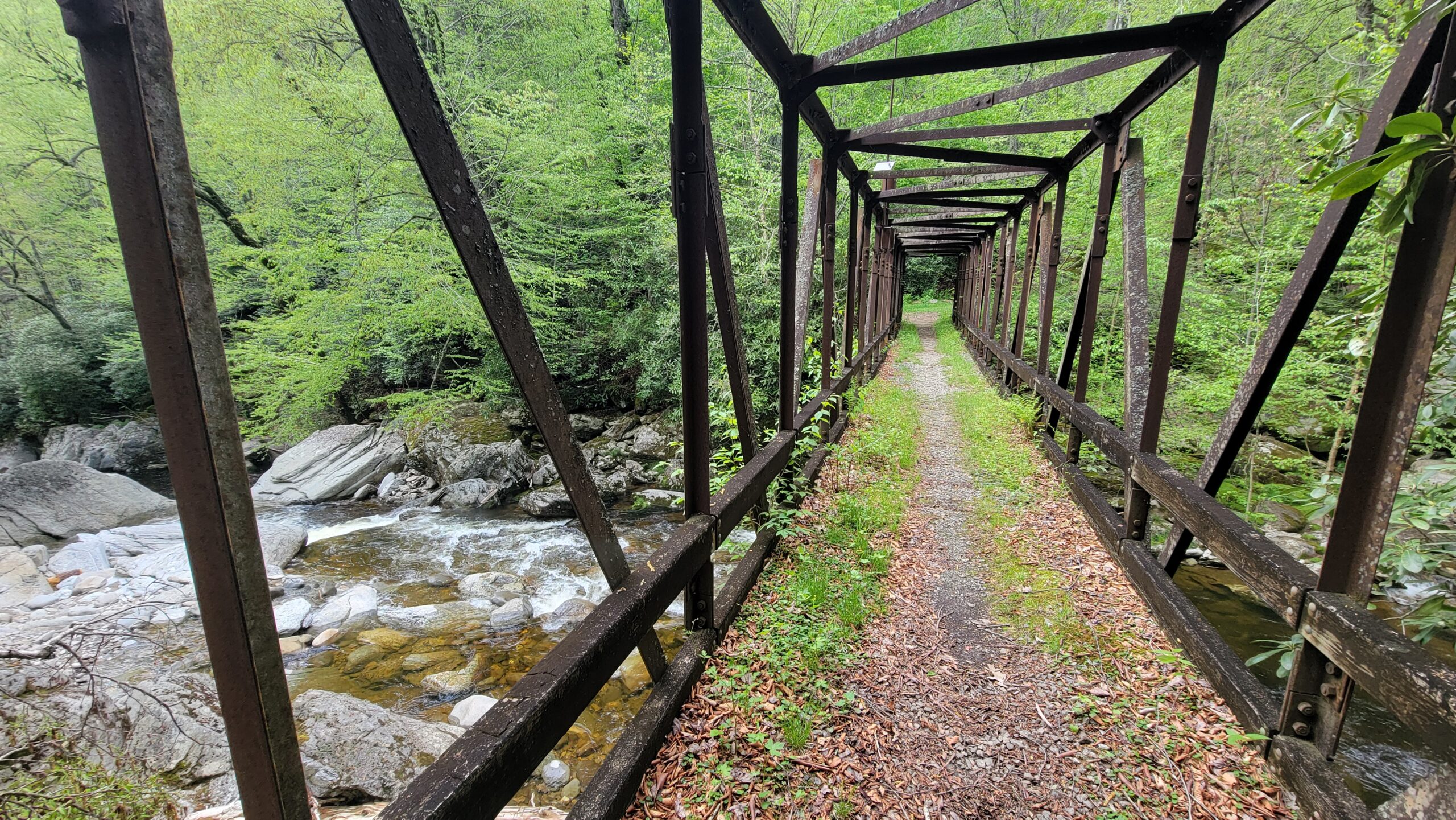
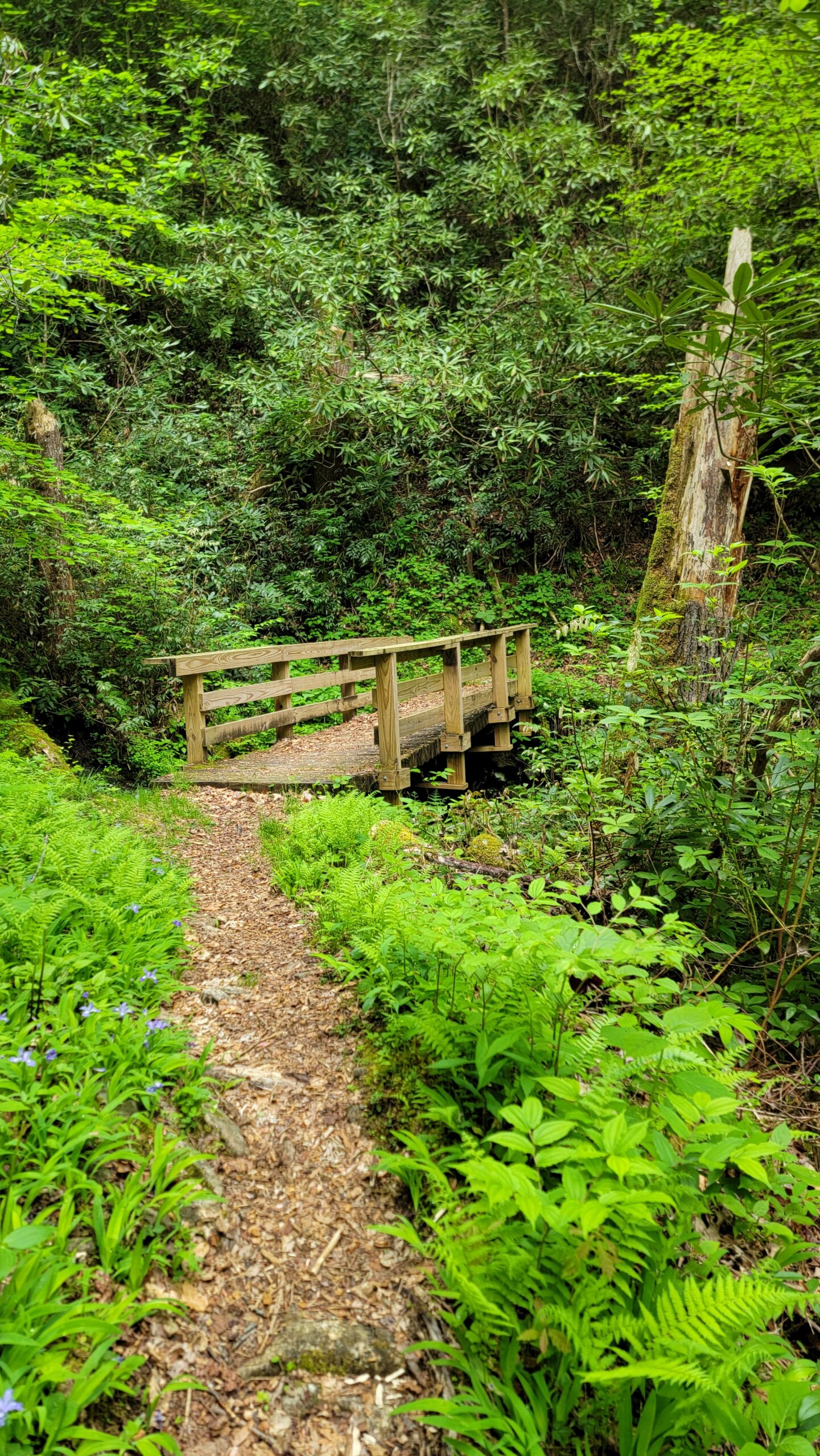
Straight Fork bridge at Beech Gap
Finding Your Spot: Backcountry Campsites and Shelters on the BMT
The BMT within the GSMNP utilizes a network of designated backcountry campsites and, in some instances, coincides with sections of the AT that have shelters. These sites offer a designated place to pitch your tent or a spot in a communal shelter.
Backcountry campsites typically have a cleared area for tents, a fire ring (where fires are permitted), and a bear cable system for hanging food and other odorous items. Shelters provide a roof overhead and a sleeping platform, often with a privy nearby. It’s important to note that while AT thru-hikers with a specific permit may have some flexibility with shelters, BMT hikers with standard backcountry permits are generally required to stay in their reserved designated site or shelter.
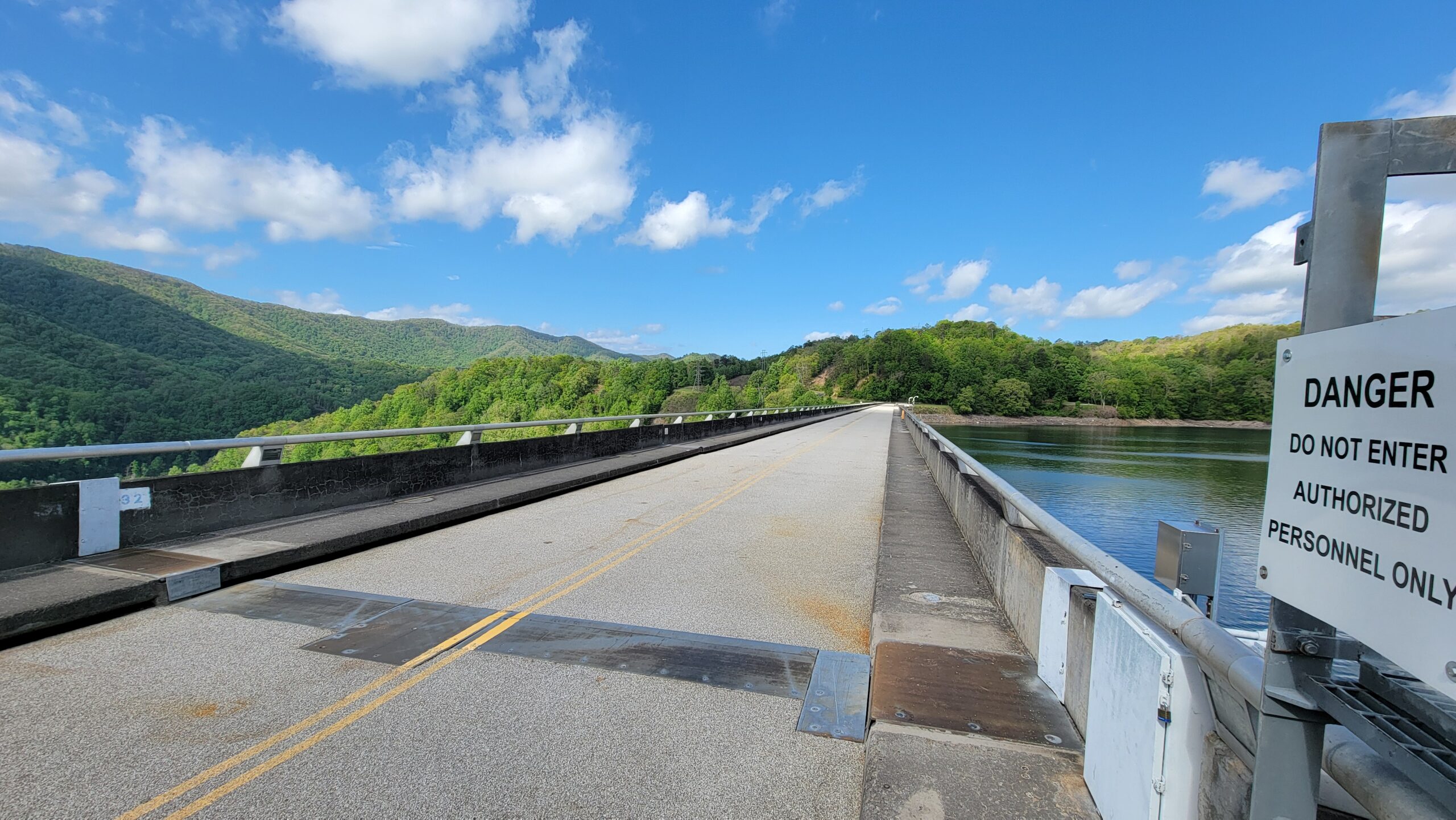
Some of the backcountry campsites and shelters you might encounter along the BMT in the GSMNP include those near Fontana Lake, which the BMT skirts, and sites near Mount Sterling, the highest point on the BMT. Campsite elevations vary from below 2000 feet to almost 6000 feet. Temperatures can vary significantly from the valleys to the top of the mountains. Combined When you combine that with quickly changeable weather conditions that are common the area, this it means you should be ready for just about any weather condition. Researching the specific locations and amenities of the sites along your planned route is also vital for preparation.
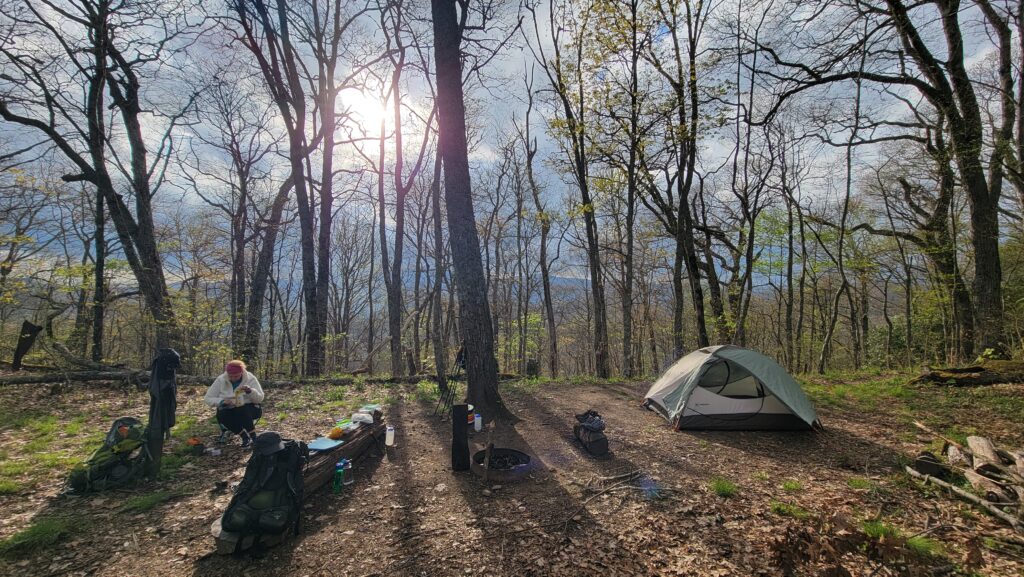
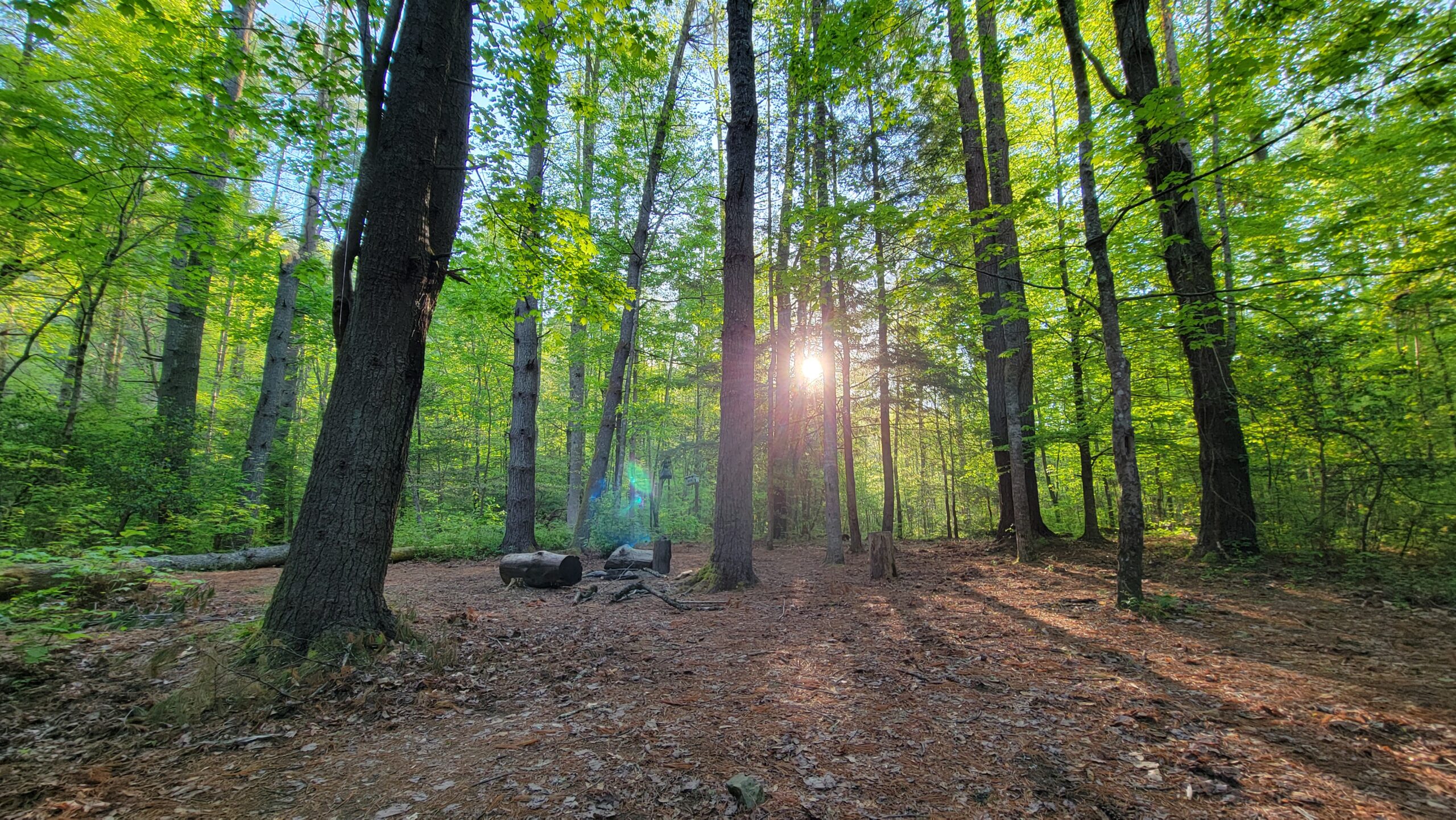
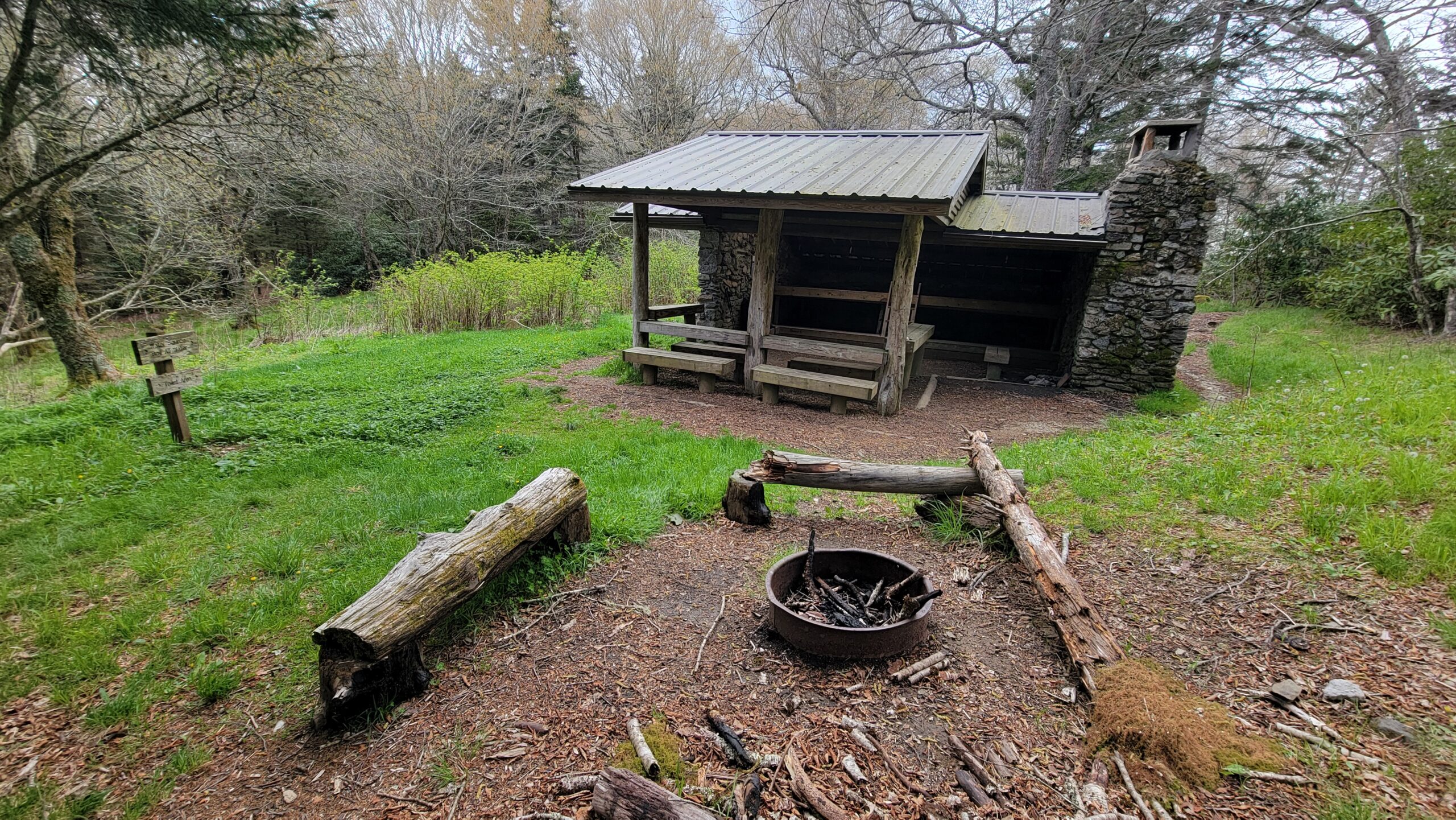
Newton Bald campsite #52
Essential Regulations for BMT Campers in GSMNP
Beyond permits and reservations, several key regulations are in place to protect both the park and its visitors:
Designated Sites Only: Camping is only permitted at your reserved backcountry campsite or shelter. Setting up camp elsewhere is prohibited.
Party Size Limits: There are limits on the number of people allowed at each campsite or shelter. Limits vary by location. Ensure your group size complies with the site’s capacity.
Food Storage: The Great Smoky Mountains National Park is bear country. All food, trash, and scented items must be stored properly using the provided bear cables at campsites or by using a bear canister where cables are not available (though cables are common at designated sites).
Leave No Trace: Practicing Leave No Trace principles is paramount. This includes packing out all trash, properly disposing of human waste at least 100 feet from water sources, campsites, and trails, and minimizing your impact on vegetation and wildlife.
Water Sources: Camp at least 100 feet away from water sources. Filter or treat all water obtained from streams or springs.
Pets: Pets are generally not allowed on backcountry trails in theGSMNP, with a few exceptions for frontcountry trails. This includes the BMT within the park. Stock animals are allowed with a permit and protocols adhered to.
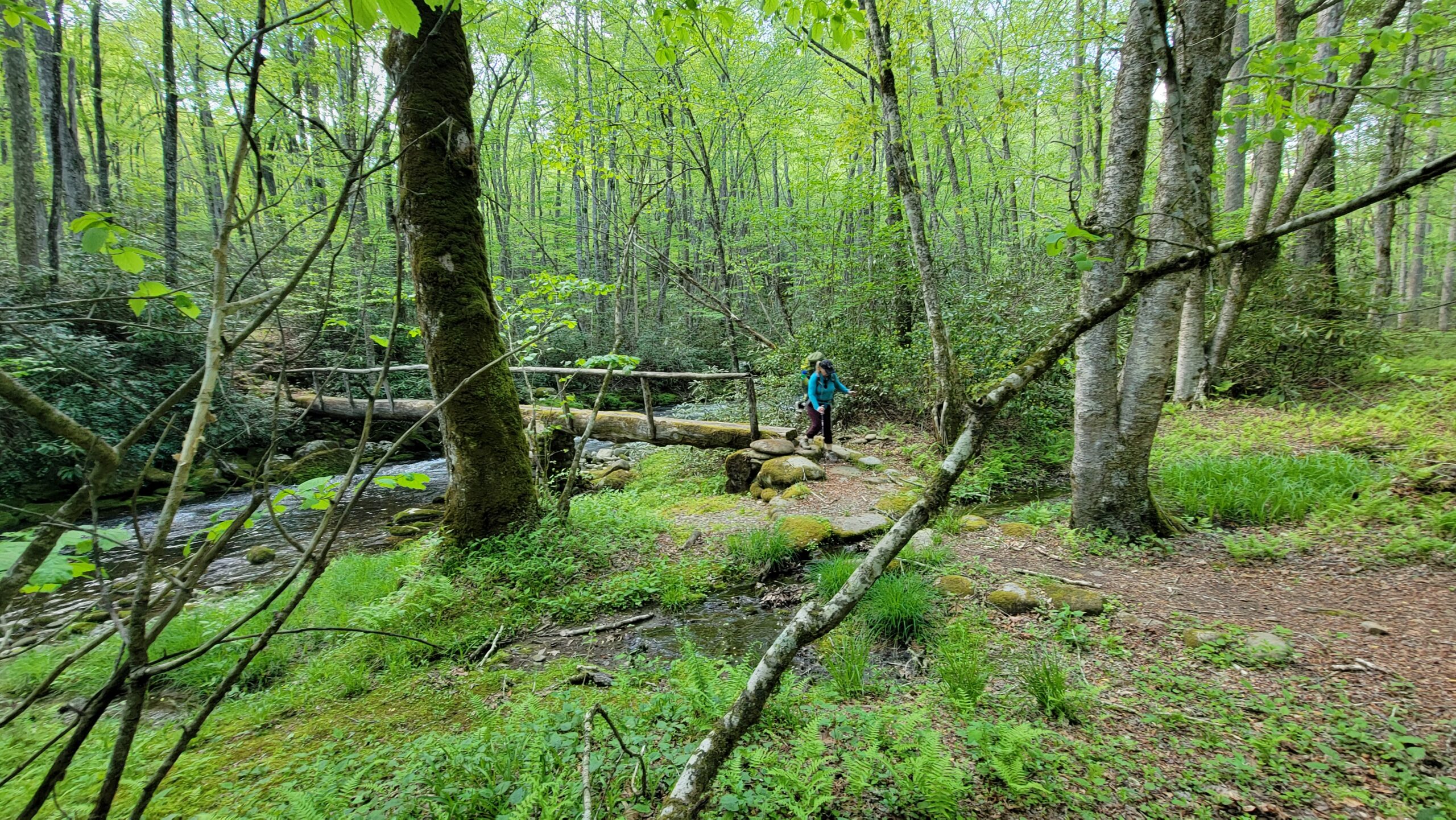
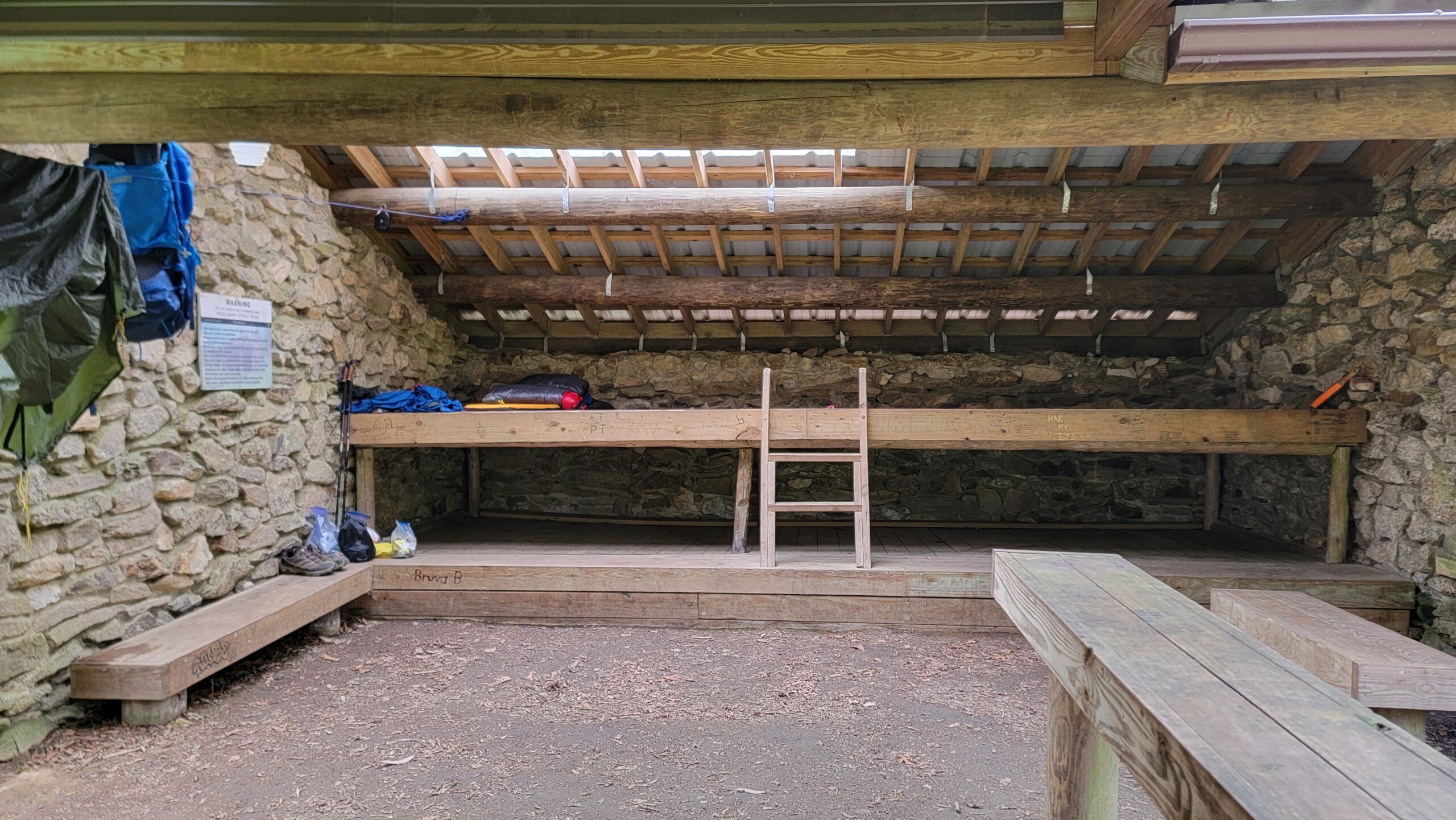
bridge over Hazel Creek at Proctor campsite #86
Navigating the BMT in the Smokies
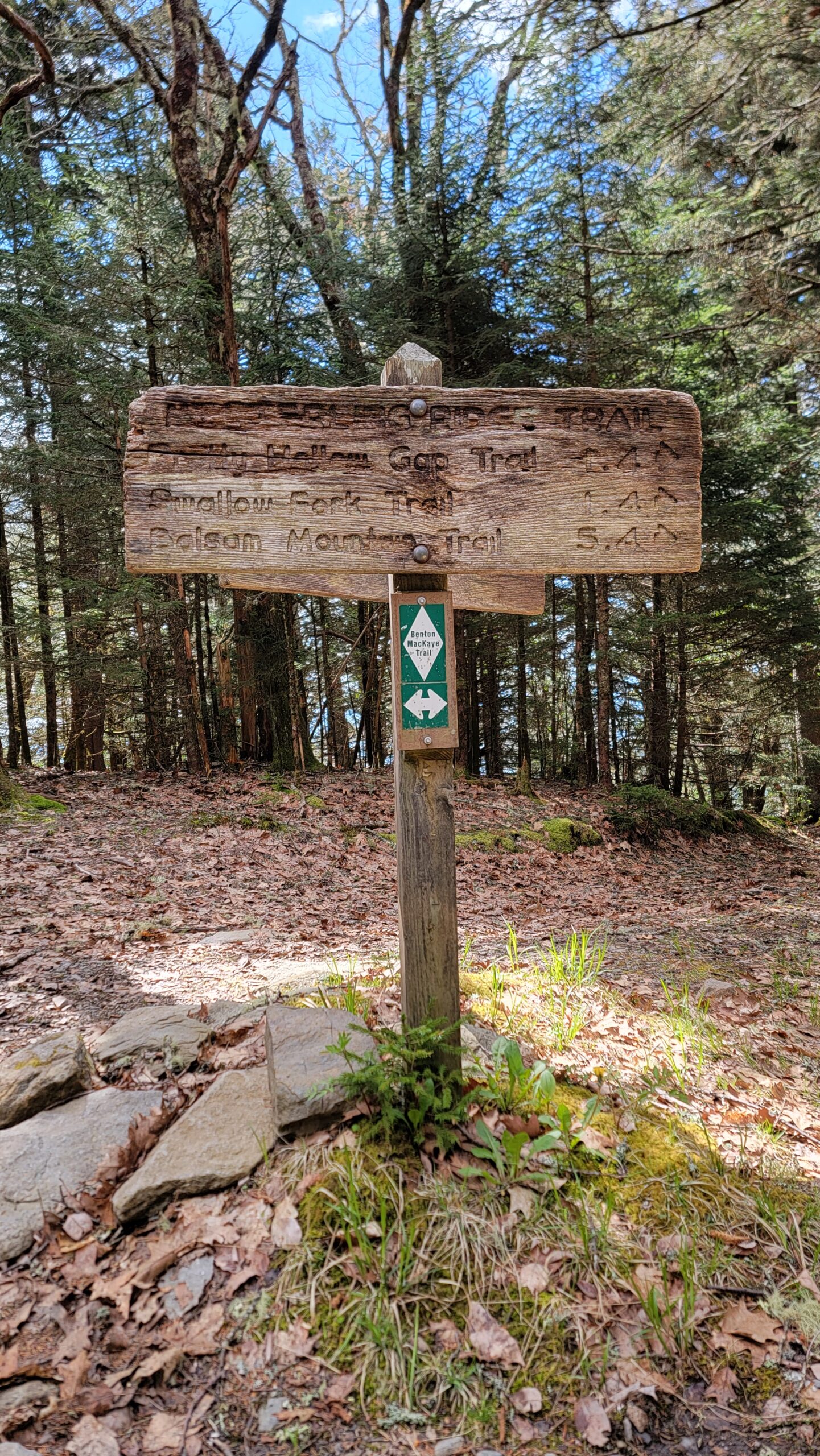
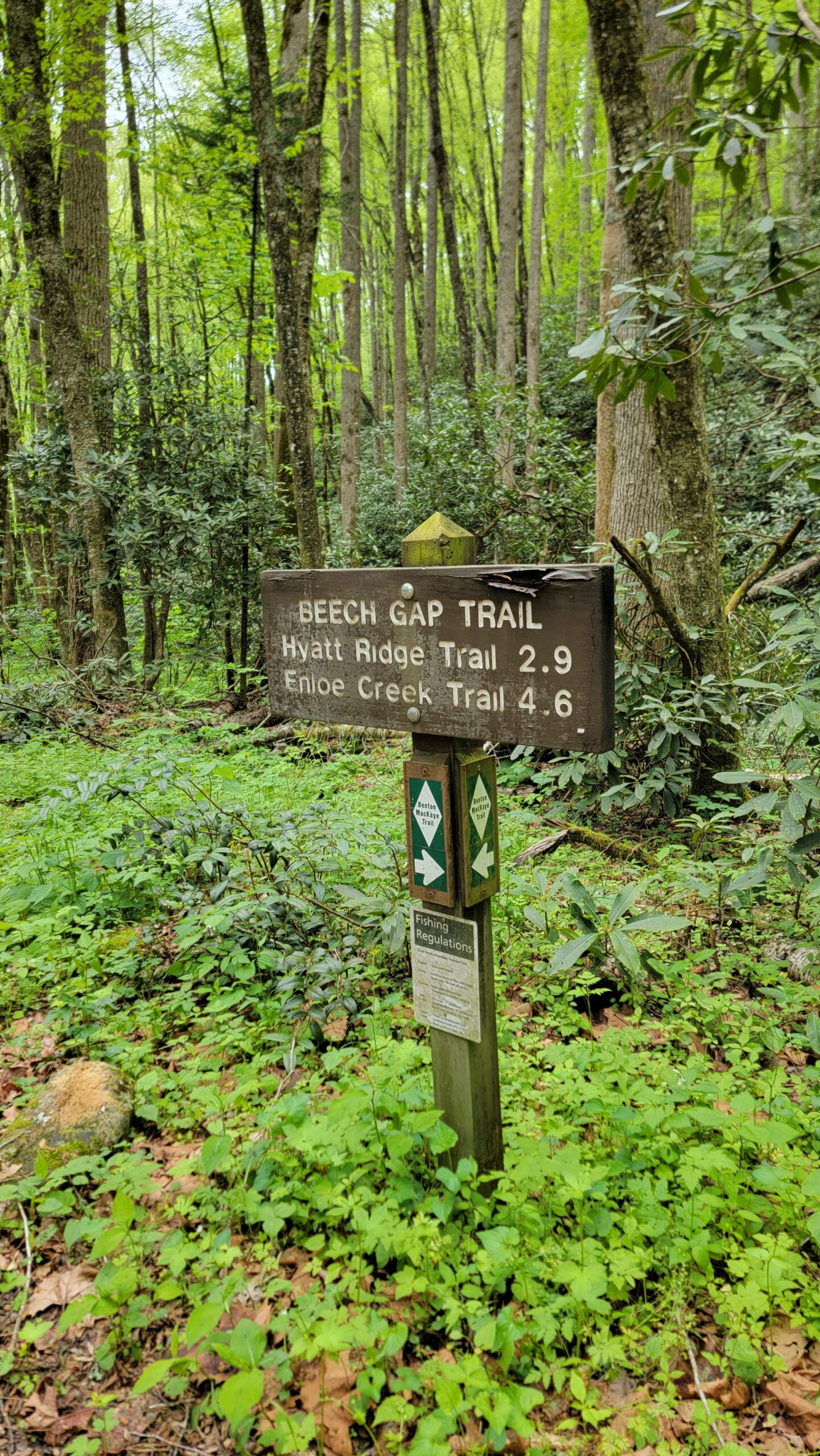
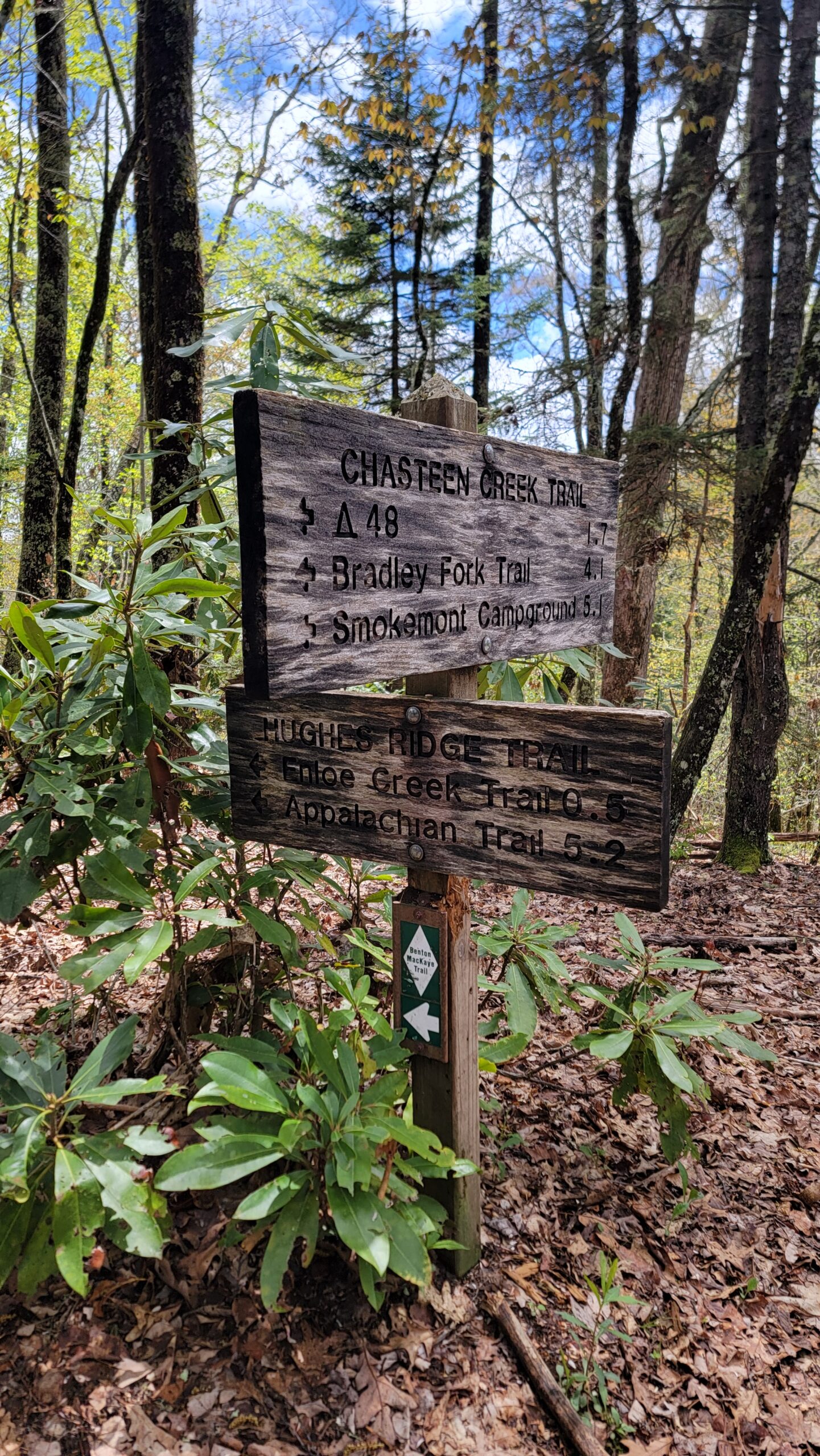
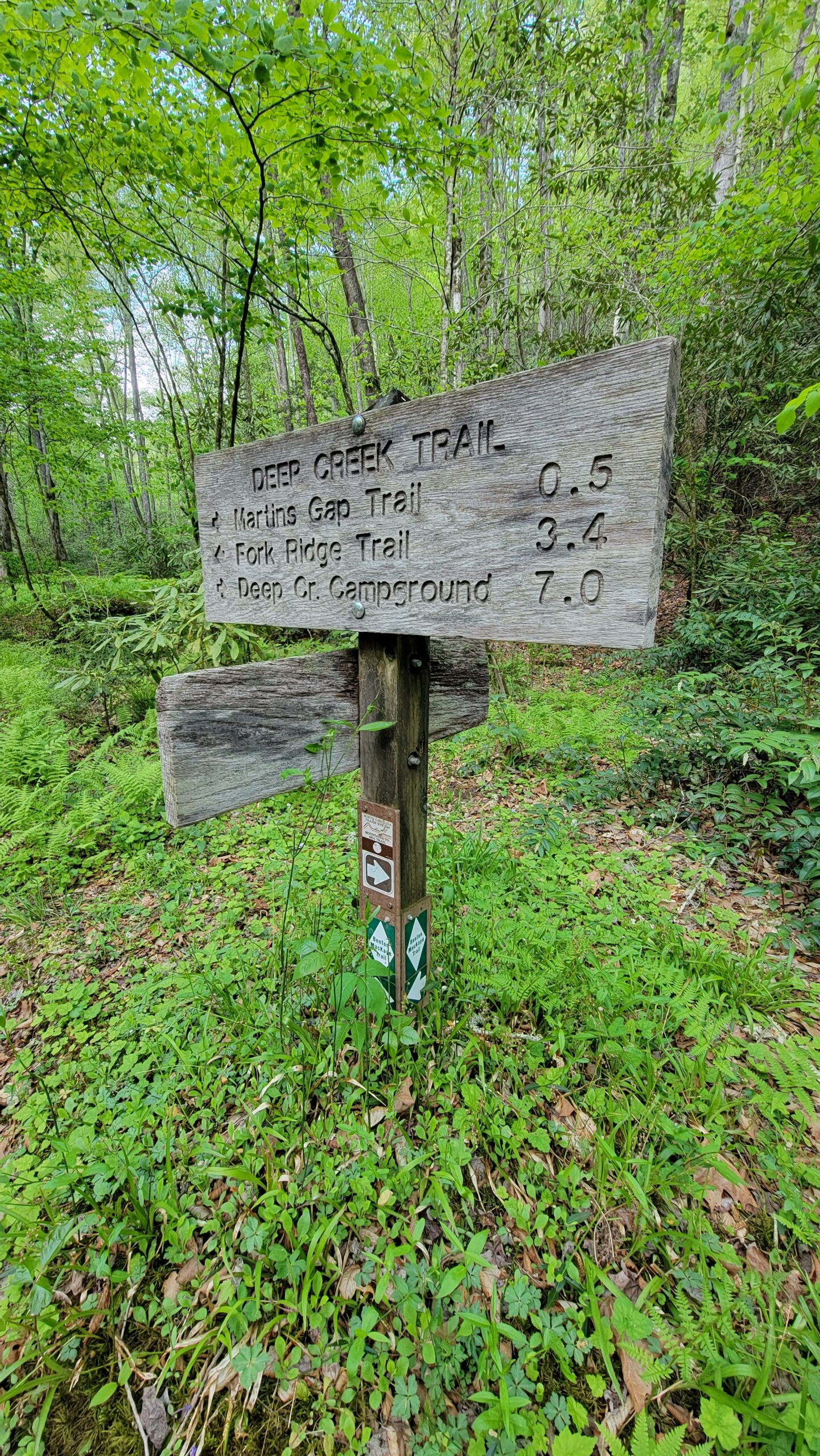
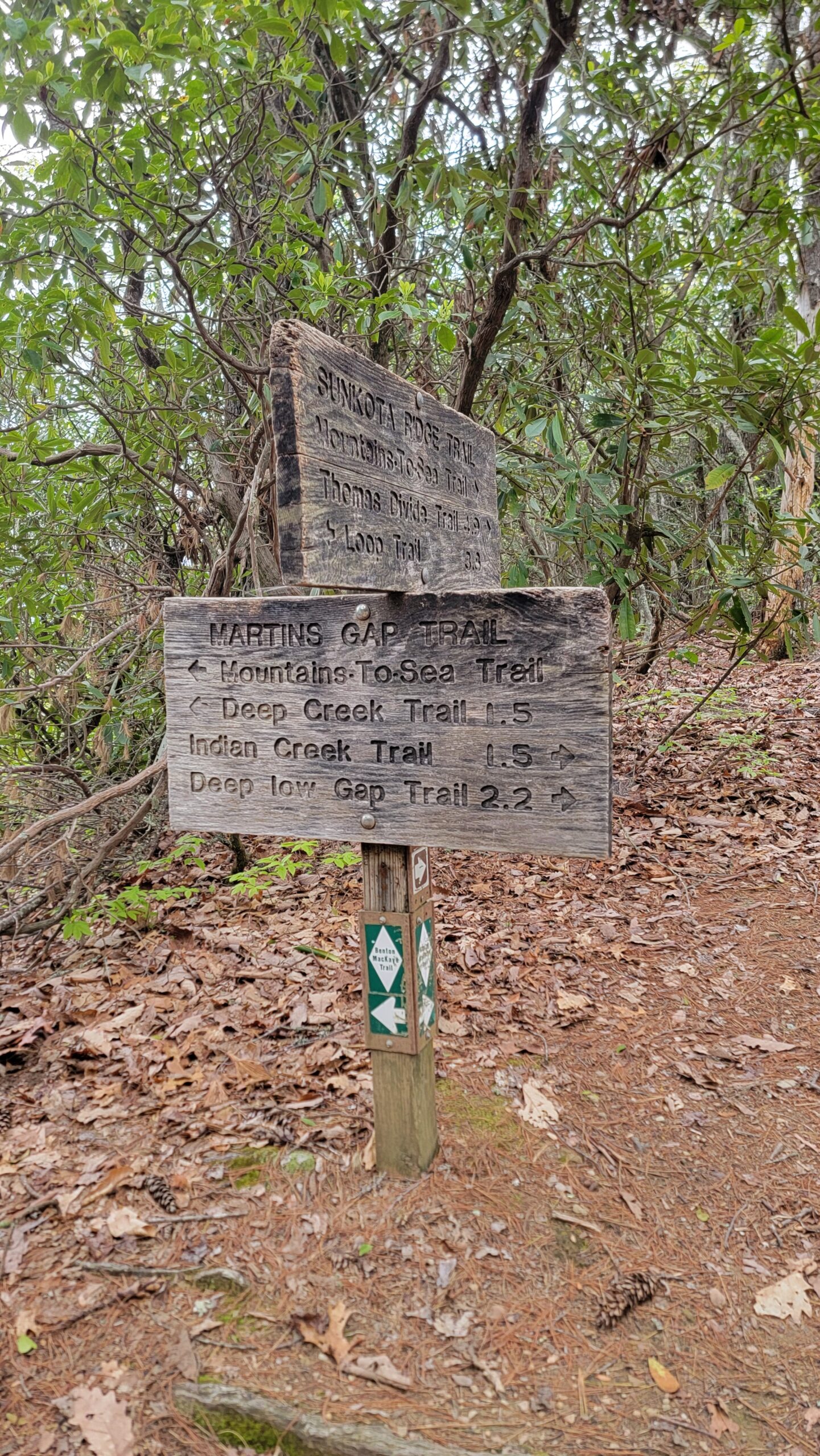
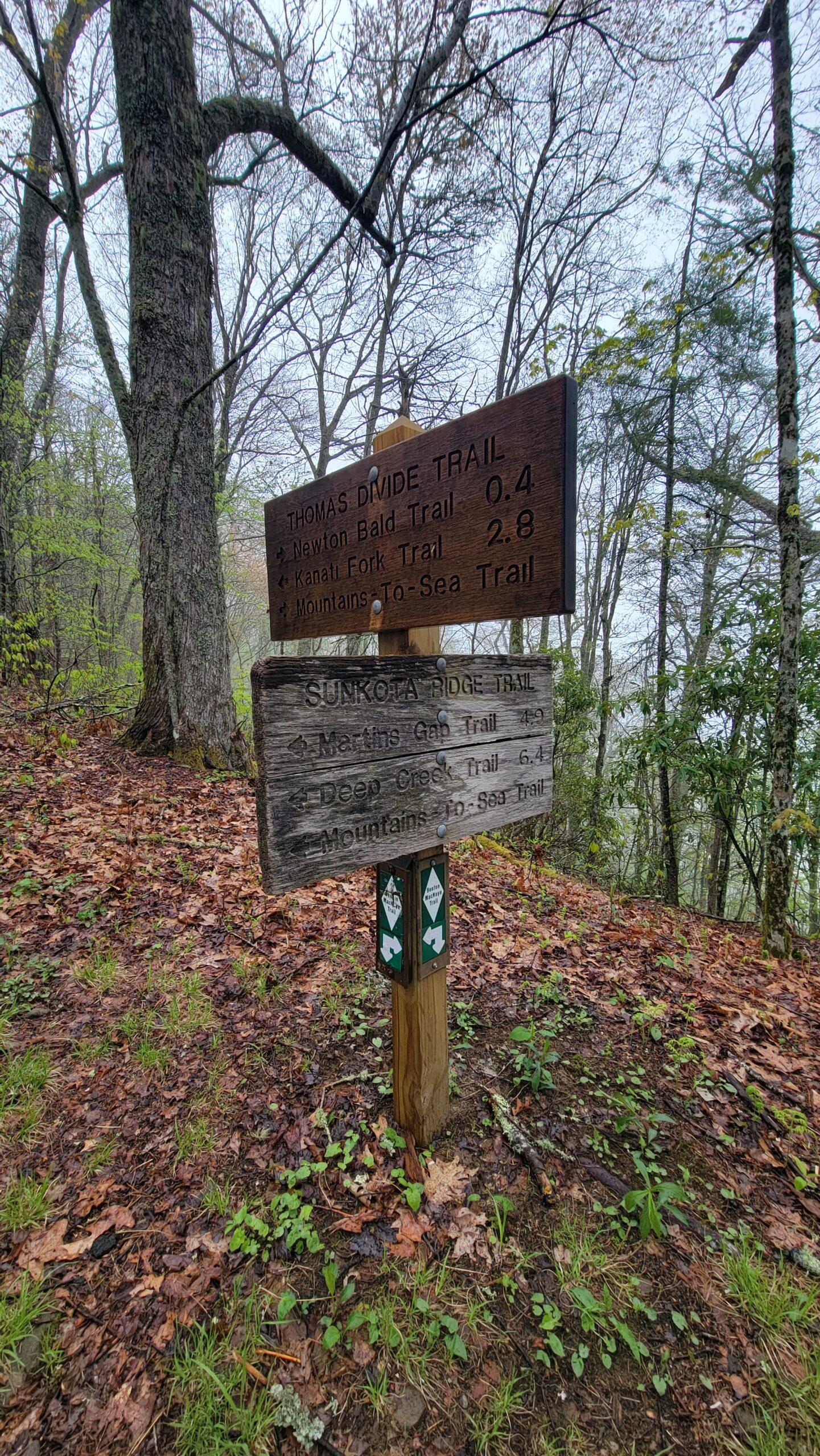
Unlike other parts of the BMT, there are no white diamond blazes marked at regular intervals on trees. BMT trail blazes are only found at the junction of trails on official GSMNP trail signs. In addition, there are many unmarked trails including old logging trails and cemetery trails. It’s easy to get off track and therefore important to be able to navigate using a map and compass and to have a printed map with you on the trail. Below are some examples of the kinds of BMT “blazes” you’ll find in the GSMNP.
BMT trail markers
BMT trail markers
BMT trail markers
BMT trail markers
BMT trail markers
BMT trail markers
Bears in the Great Smoky Mountains National Park
The entirety of the BMT is Black Bear habitat — especially so in the Smokies. About 1900 bears are known to live in the park. Each year there are over 300 negative bear interactions with park visitors. Because of this, it’s extra important to be Bear Aware. Each campsite will have a place to safely store food and smellable and you are required to use them as part of your permit. The GSMNP has great resources around black bears. Take the time to be prepared for a chance bear encounter and know the right protocols to follow.
The Rewards of Camping the BMT in the Smokies
Despite the regulations, camping along the BMT in the Great Smoky Mountains National Park offers an unforgettable experience. The trail leads you through diverse forests, across picturesque streams, and to ridgelines offering stunning mountain vistas. Camping in the backcountry allows for a deeper connection with the natural world, providing opportunities for solitude, wildlife viewing, and the simple pleasure of waking up surrounded by the beauty of the Smokies.
Whether you’re planning a multi-day backpacking trip or a shorter overnight excursion on a section of the BMT within the park, proper planning, obtaining the necessary permits, and respecting the park’s regulations will ensure a safe, enjoyable, and responsible camping adventure. So, get your maps out, reserve your spot under the stars, and prepare to explore the wild heart of the Smokies on the Benton MacKaye Trail.








 Subscribe via RSS