Why the BMT Is an Ideal Training Ground for an Appalachian Trail Thru-Hike
For many long-distance hikers, the Appalachian Trail (AT) represents the pinnacle of eastern U.S. backpacking—a multi-month journey requiring physical endurance, mental resilience, and careful planning. Yet before stepping onto Springer Mountain and into a five-month commitment, many hikers ask an important question:
How do I truly prepare for an Appalachian Trail thru-hike?
The Benton MacKaye Trail (BMT) offers a compelling answer. Stretching nearly 300 miles through Georgia, Tennessee, and North Carolina, the BMT provides terrain, conditions, and challenges remarkably similar to the AT—while offering a quieter, more self-reliant experience that makes it an exceptional training trail.
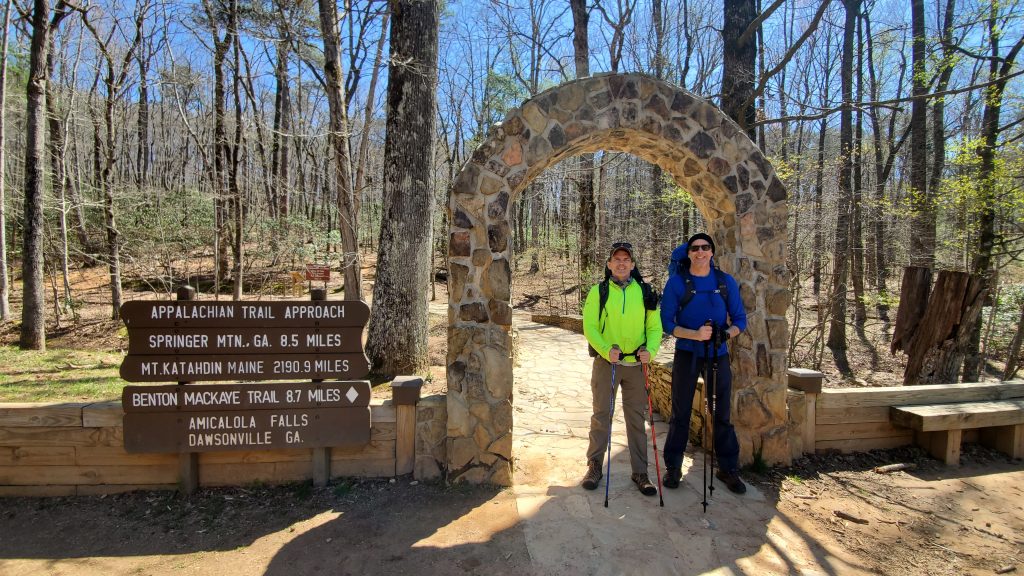
Approach Trail to Springer Mtn
A Shared Origin, Divergent Paths
The Benton MacKaye Trail is not simply adjacent to the Appalachian Trail—it is deeply connected to its origins.
Benton MacKaye, the trail’s namesake, was the original visionary behind the Appalachian Trail concept. His early ideas emphasized wilderness preservation, community planning, and meaningful engagement with nature. While the AT evolved into a nationally recognized hiking corridor with extensive infrastructure, the BMT has remained closer to MacKaye’s original philosophy.
Both trails traverse:
The southern Appalachian Mountains
Similar elevations, ecosystems, and weather patterns
Terrain that demands fitness, planning, and experience
Yet the experience of hiking them differs in important and instructive ways.
The palacial shelter at Deep Gap - AT
The Appalachian Trail: Infrastructure and Community
The Appalachian Trail is known for its:
Frequent shelters and trail towns
Well-established resupply options
Heavy foot traffic during peak seasons
Strong social culture among thru-hikers
For many first-time long-distance hikers, this infrastructure provides reassurance and support. However, it can also reduce the need for independent decision-making and limit opportunities for solitude—particularly in the southern sections during spring.
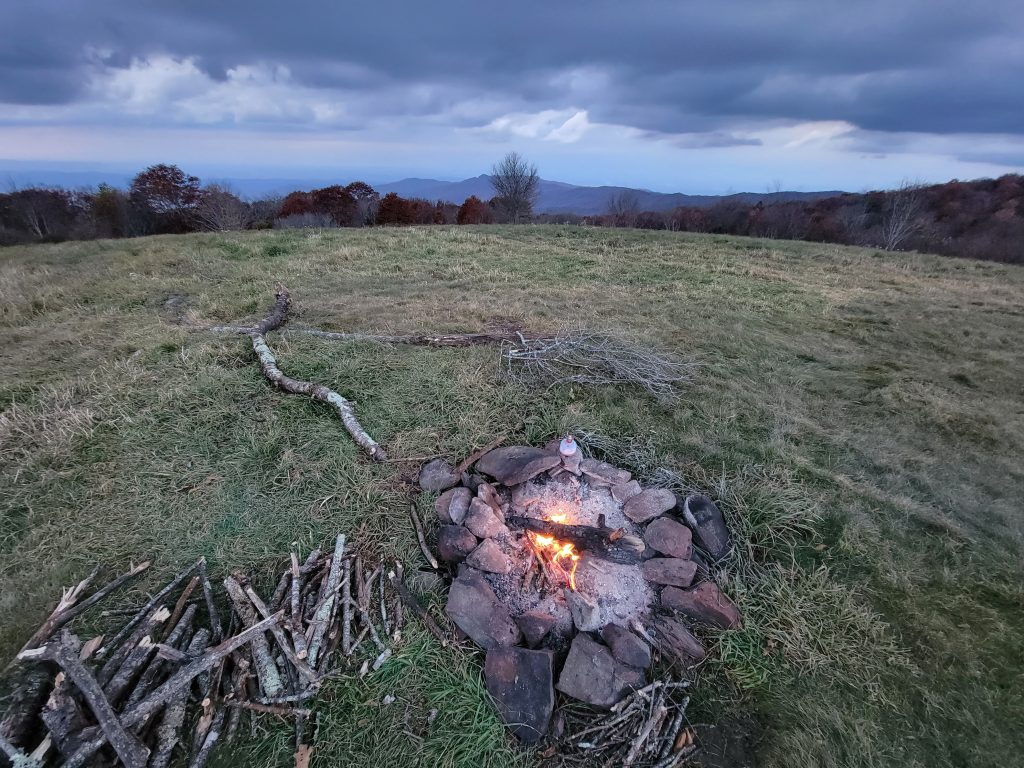
Whigg Meadow - BMT
The Benton MacKaye Trail: Solitude and Self-Reliance
The Benton MacKaye Trail offers a contrasting—but complementary—experience.
Hikers on the BMT will find:
Significantly fewer hikers
Limited shelter infrastructure
Longer stretches between road crossings
Greater reliance on personal planning and navigation
These characteristics make the BMT especially valuable as a training environment. It requires hikers to develop the same core skills needed for a successful AT thru-hike—often more intensively and with fewer external supports.
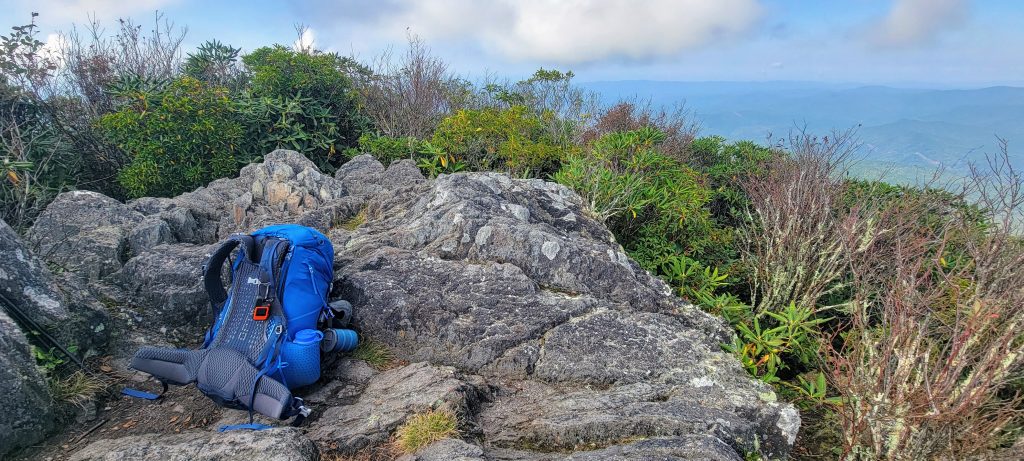
The Hangover - BMT
Physical Conditioning: Comparable and Demandin
From a physical standpoint, the BMT closely mirrors the Appalachian Trail, particularly in its southern sections.
Hikers encounter:
Sustained climbs and descents
Narrow ridgelines and rugged tread
Creek crossings and changing trail conditions
The same variable mountain weather found on the AT
Completing extended sections of the BMT builds the cardiovascular endurance, leg strength, and recovery habits essential for long-distance hiking. Many hikers find that BMT miles feel at least as demanding as AT miles—an ideal preparation for what lies ahead.
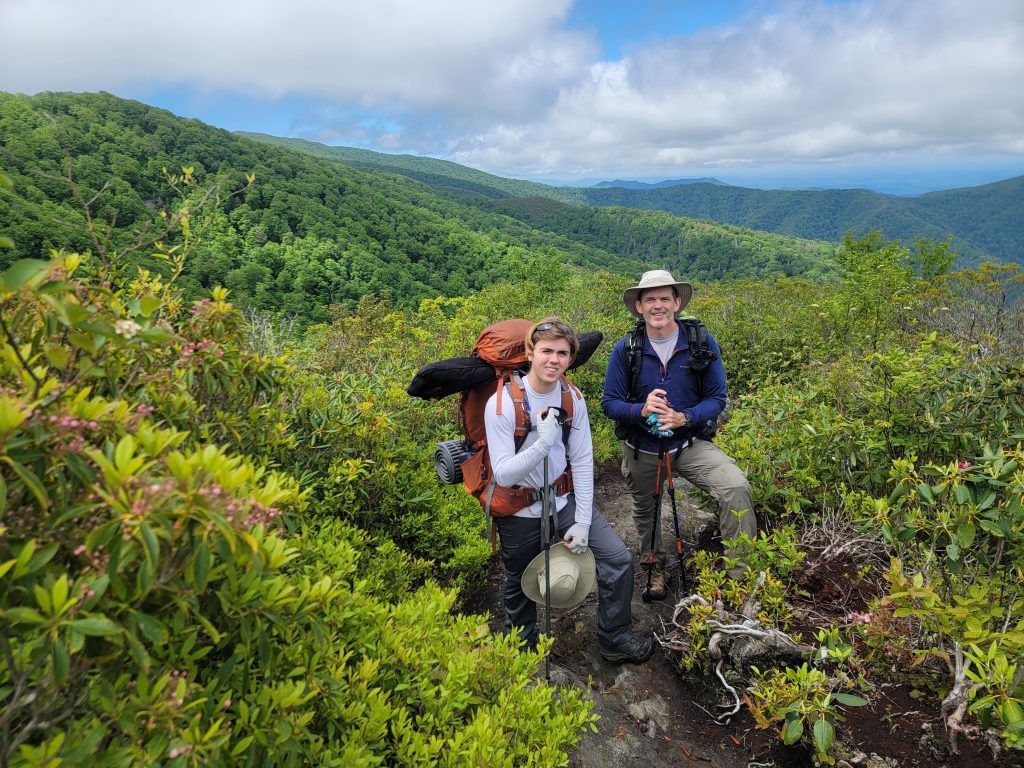
Water Break
Skill Development: Planning, Navigation, and Adaptability
One of the most valuable aspects of the Benton MacKaye Trail as a training hike is its emphasis on self-reliance.
Compared to the AT, BMT hikers must:
Pay closer attention to trail markings
Plan campsites and water sources more carefully
Carry and trust their navigation tools
Adapt to unexpected challenges independently
These experiences closely mirror the realities of long-distance hiking beyond the early AT “bubble” and foster confidence that cannot be gained from infrastructure alone.
Mental Preparation: Learning to Hike Your Own Hike
Long-distance hiking is as much a mental challenge as a physical one. Many AT hikes end not due to injury, but because of burnout, loss of motivation, or unmet expectations.
The BMT offers:
Extended solitude
A slower, more introspective hiking rhythm
Freedom from social comparison and pressure
For hikers considering a future AT thru-hike, this mental conditioning is invaluable. The ability to remain motivated, adaptable, and content during quiet days is a skill that translates directly to long-term success on the Appalachian Trail.
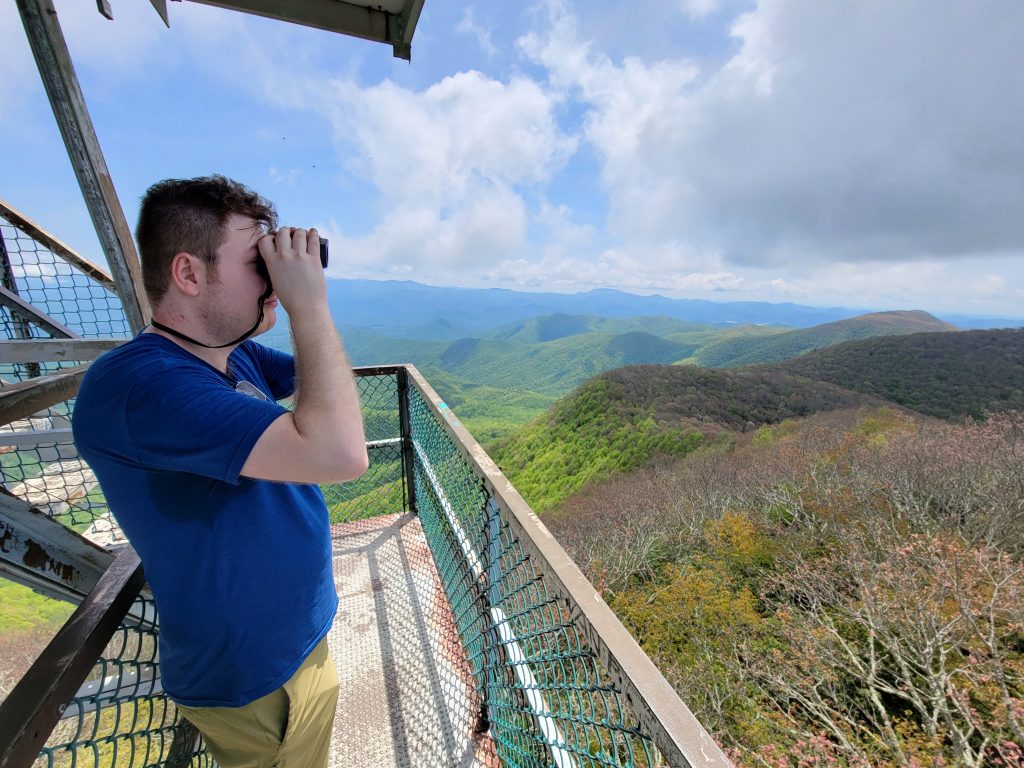
Mt Albert Fire Tower - AT
A Practical and Accessible Commitment
Another advantage of the Benton MacKaye Trail is its scale.
While the Appalachian Trail requires a multi-month commitment, the BMT can be:
Used to test gear, routines, and pacing strategies
This flexibility allows hikers to gain meaningful long-distance experience without the logistical and personal demands of a full AT thru-hike.
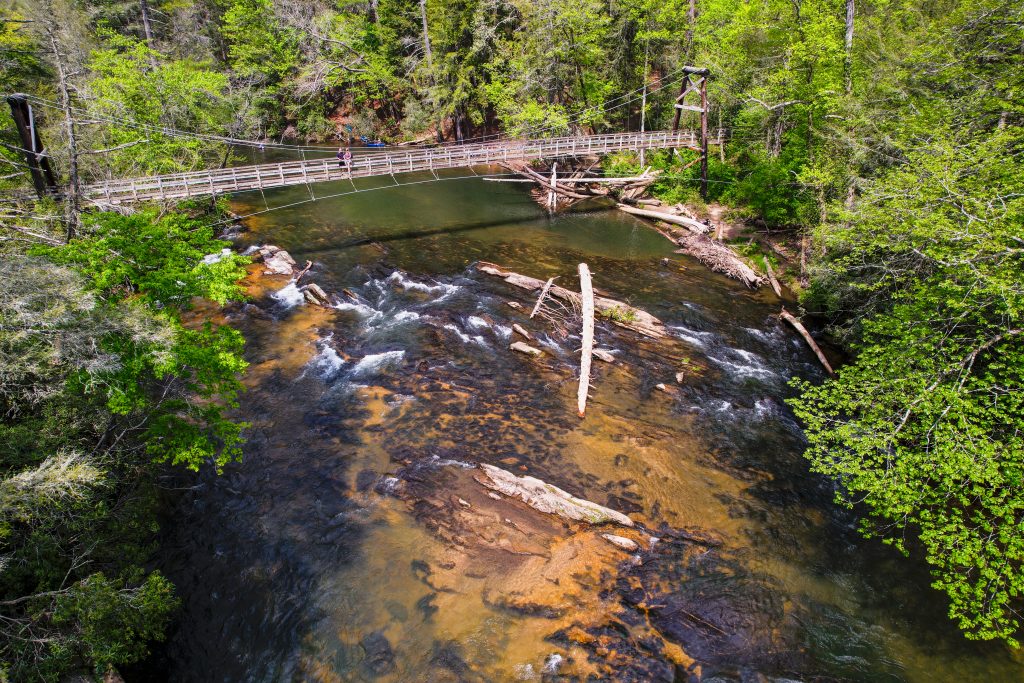
Toccoa River Swinging Bridge - BMT
A Trail That Prepares—and Stands on Its Own
The Benton MacKaye Trail is not a lesser version of the Appalachian Trail. It is a distinct and purposeful trail that embodies its founder’s original vision.
As preparation for the AT, the BMT offers:
Comparable physical demands
Superior lessons in self-reliance
Deep immersion in wilderness
A realistic assessment of long-distance readiness
Whether used as a training hike or experienced as a destination in its own right, the Benton MacKaye Trail provides a rewarding journey through some of the most beautiful and rugged landscapes in the southern Appalachians.
Naked Ground - BMT
For those dreaming of the Appalachian Trail, the BMT offers an opportunity to prepare with intention—and to walk a path that remains true to Benton MacKaye’s enduring vision.




 Subscribe via RSS