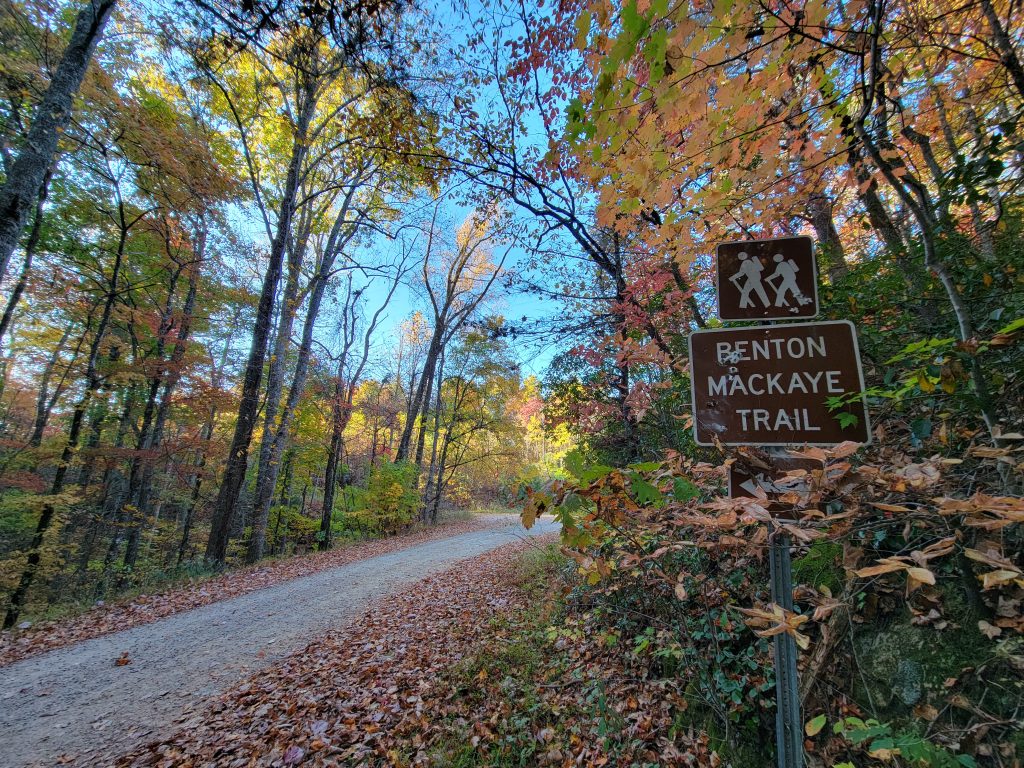
The Benton MacKaye Trail (BMT) winds quietly through some of the most beautiful and remote sections of the Southern Appalachians. It’s a place where crisp November air drifts through leafless trees, long-range views open up, and the forest whispers its history. Every switchback, ridge, and creek crossing holds a story — if you know where to look.
This month, as the busy leaf-peeping season fades and the trail settles into quiet, we invite you to slow down, look closer, and discover the hidden stories along the BMT.
Ancient Footpaths Beneath the Modern Trail
Long before Benton MacKaye imagined a long-distance footpath through the Appalachians, these mountains were already laced with well-worn routes. One of the most significant is the Unicoi Turnpike, a historic travel corridor stretching from what is now western North Carolina through eastern Tennessee and northern Georgia.
The Unicoi Turnpike began as a Cherokee trading path, connecting villages and facilitating trade across the southern Appalachians. Later, in the early 1800s, it was widened into a wagon road and became one of the most important travel routes in the region. Later it was crossed by thousands of forcibly removed Cherokee headed west on the Trail of Tears.
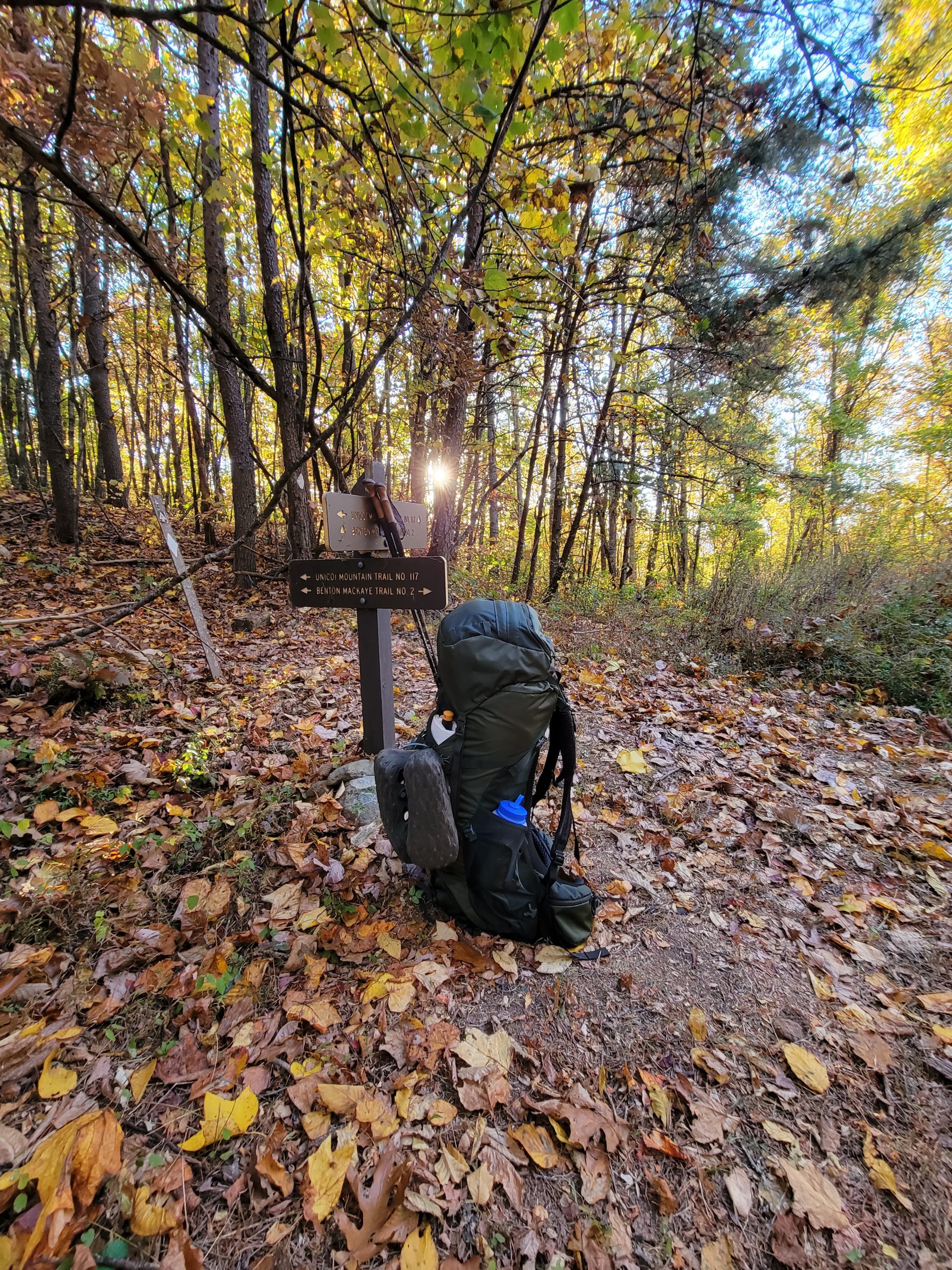
Portions of the Benton MacKaye Trail cross or parallel segments of this historic corridor, especially in the vicinity of the Tellico River. Walking these sections is more than just a hike — it’s a chance to follow the same path trodden by Native traders, settlers, soldiers and travelers for centuries.
Today, hikers who pause to imagine the countless footsteps that came before them can feel the layers of history beneath their boots.
Echoes of Logging Camps and Lost Railroads
Long before this was a trail, the mountains were alive with the clatter of timber railways and logging camps. In the early 1900s, companies built narrow-gauge rail lines deep into the Southern Appalachians to harvest old-growth forests.
Hike along the Jack’s River in the Cohuttas near the BMT at Penitentiary Branch and you may notice unusual mounds or straight-line clearings in the woods — these often mark the beds of those old rail lines. When the leaves are down in November, their outlines are easier to see. If you listen closely, you can almost imagine the whistle of the old Shay locomotives.
Civilian Conservation Corps Legacy
In the 1930s, as America climbed out of the Great Depression, the Civilian Conservation Corps (CCC) left its mark on the Southern highlands. Many fire towers, bridges, and early trail corridors were built during this era.
Along sections of the BMT near Big Frog Wilderness and Springer Mountain, CCC work still shapes the trail’s route today. These simple rock walls and hand-built steps are quiet reminders of a time when young men worked with shovels and grit to conserve these lands for future generations.
Forgotten Homesteads and Mountain Settlements
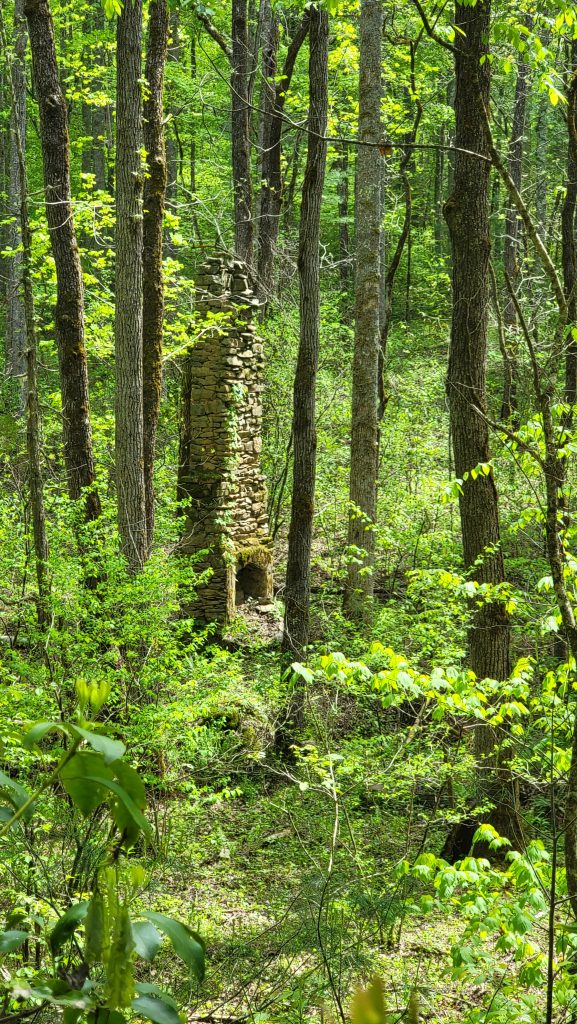
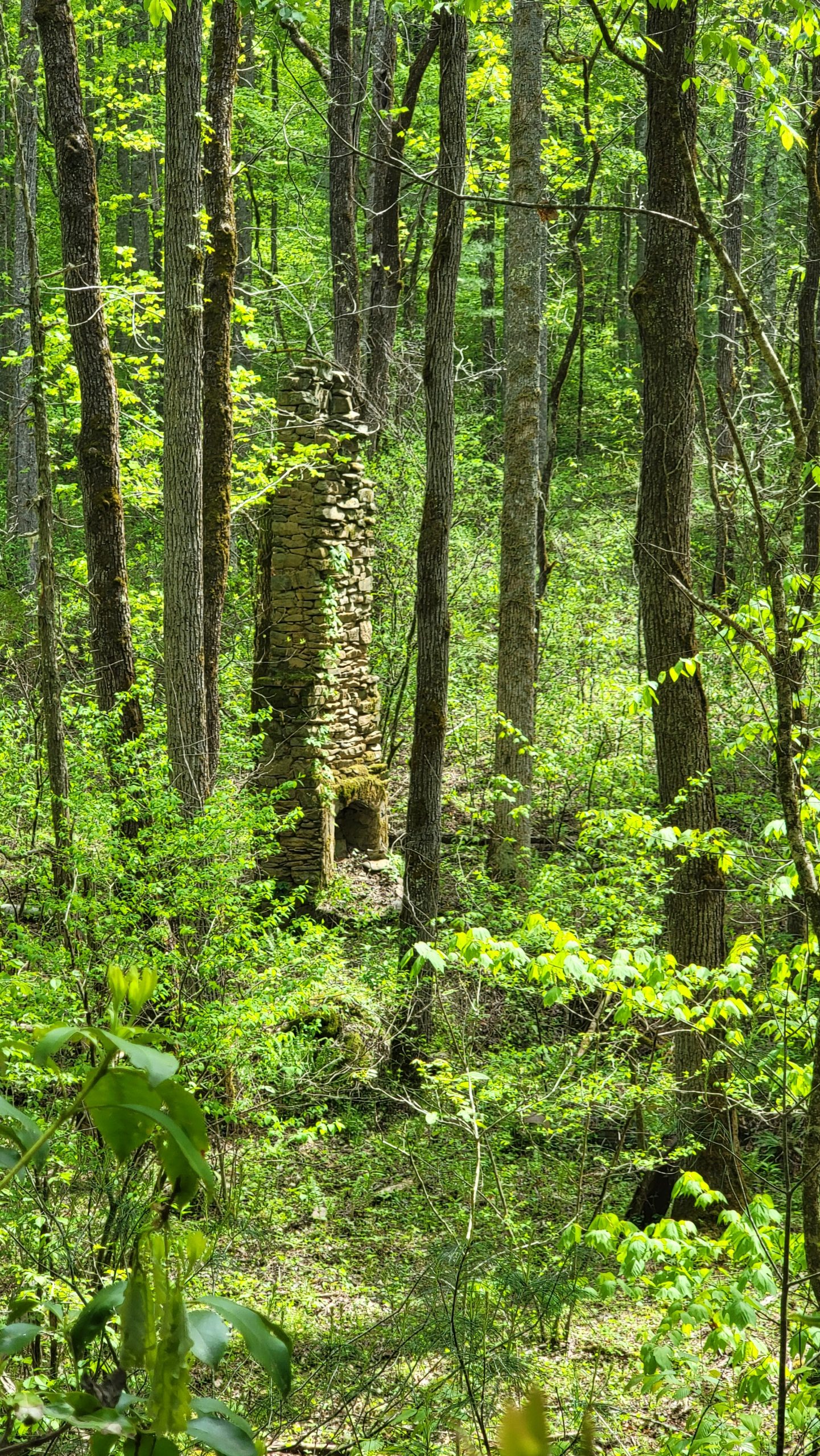
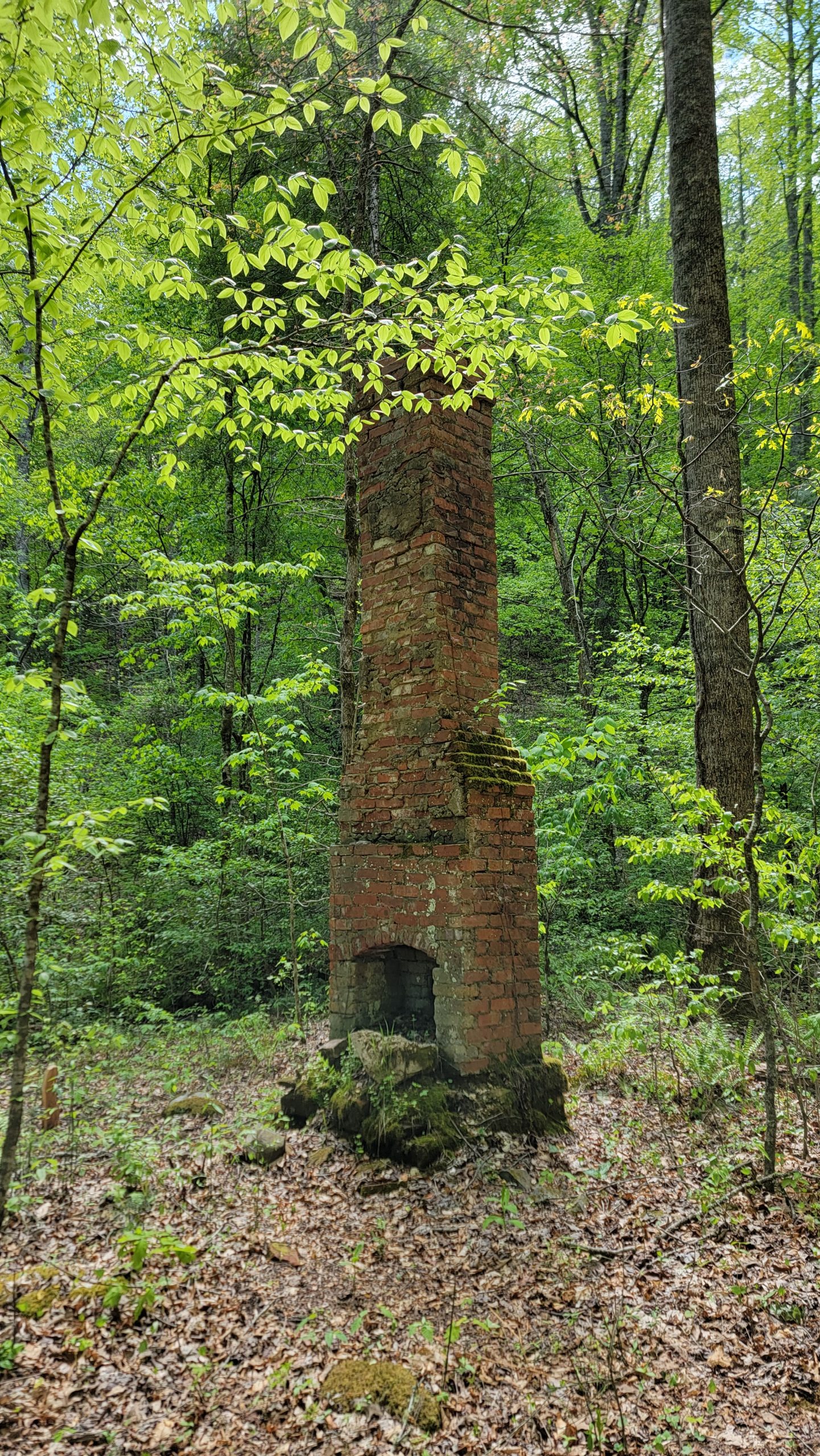
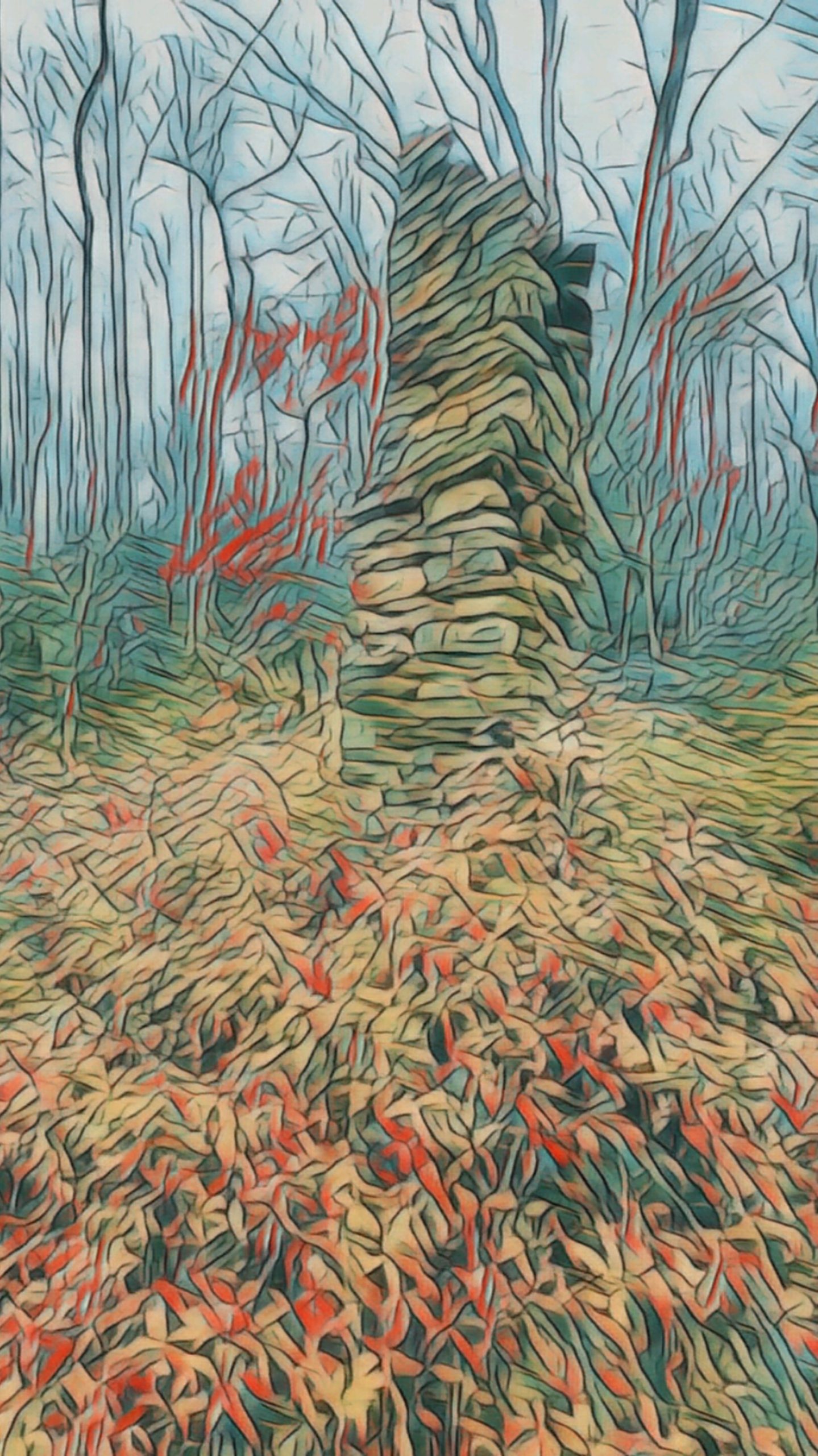
Look carefully in winter’s bare landscape, and the forest reveals more: stacked stone foundations, hand-dug wells, the occasional chimney standing alone in the woods. Many families lived along what is now the BMT corridor in the 19th and early 20th centuries.
Around Hatley Gap and Skeenah Creek, hikers sometimes find moss-covered rock walls that once bordered farm fields. These silent ruins speak of people who cleared, planted, and called these mountains home long before the national forests were established.
The Doc Rogers House - A Window Into the Past
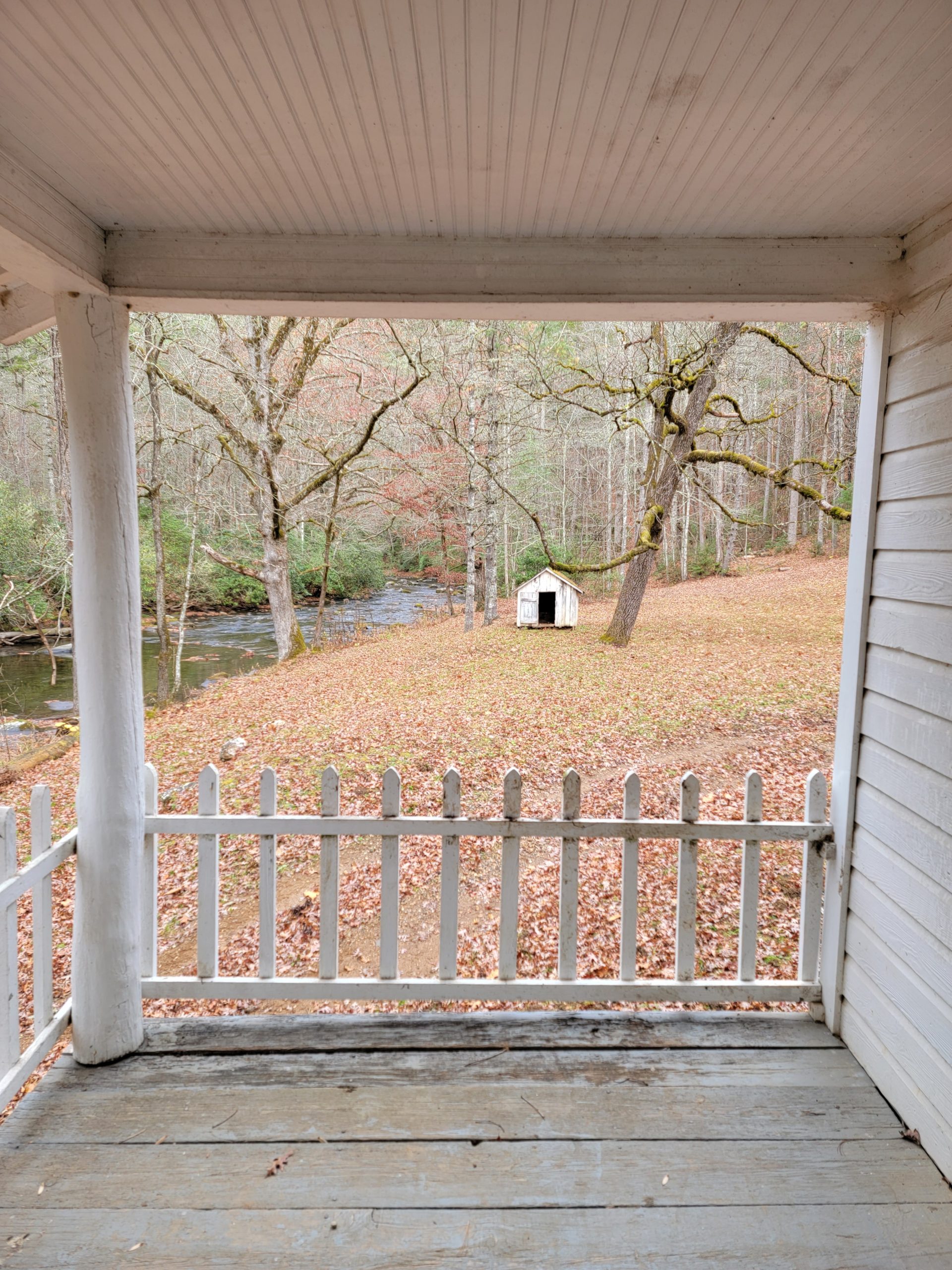
Deep in the mountains near the Tennessee–North Carolina line lies one of the most evocative historical sites along the BMT: the remains of Doc Rogers’ house, not far from the Tellico River.
Dr. J.H. “Doc” Rogers was a legendary mountain physician who lived and practiced medicine in the early 1900s, serving isolated communities scattered through the Cherokee National Forest. Hikers exploring this section can still find the stone chimney, foundation, and scattered relics of his homestead — tangible reminders of remote mountain living.
The structure stands as one of the most intact historic remains along the trail and offers a rare glimpse into how rugged and self-reliant life was before modern roads reached these mountains.
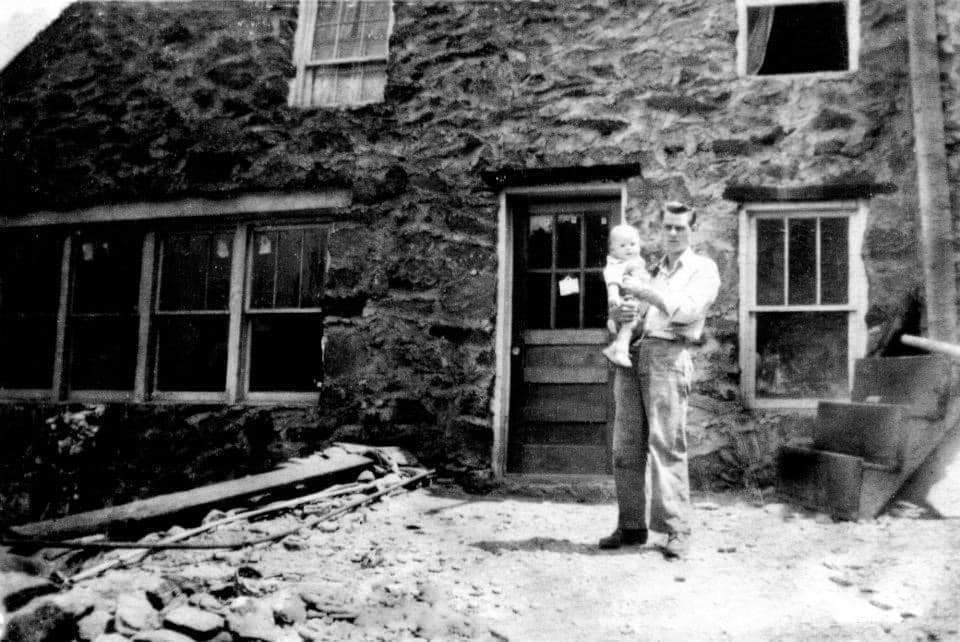
Caretaker Floyd Davis in front of the rock house circa 1951 (courtesy of the C. Hall Museum)
Doc Rogers’ home (courtesy of the C. Hall Museum)
Doc Rogers’ home ruin
Doc Rogers’home ruin
Doc Rogers’ home ruin
Proctor - Ghost town in Southern Smokies
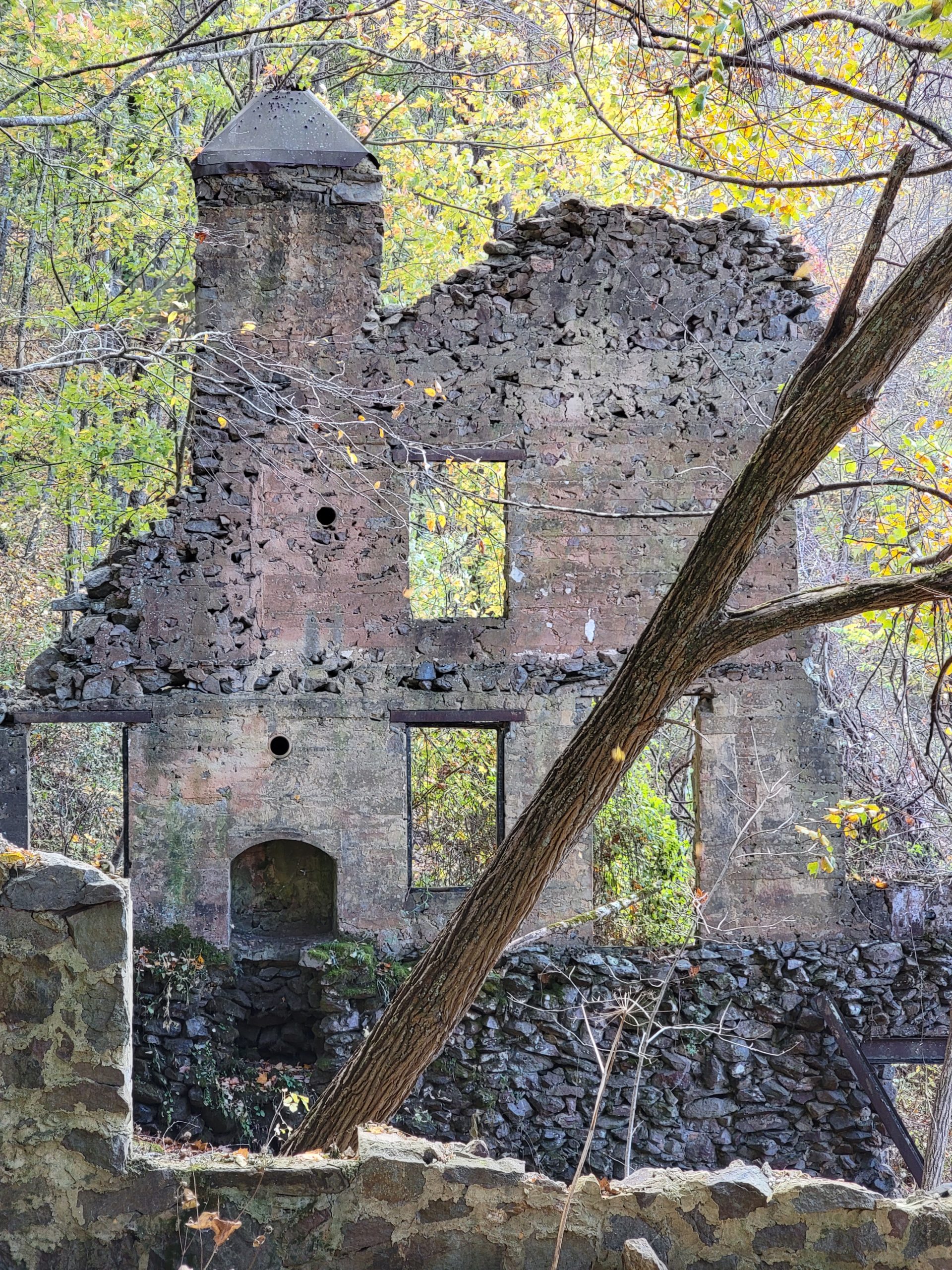
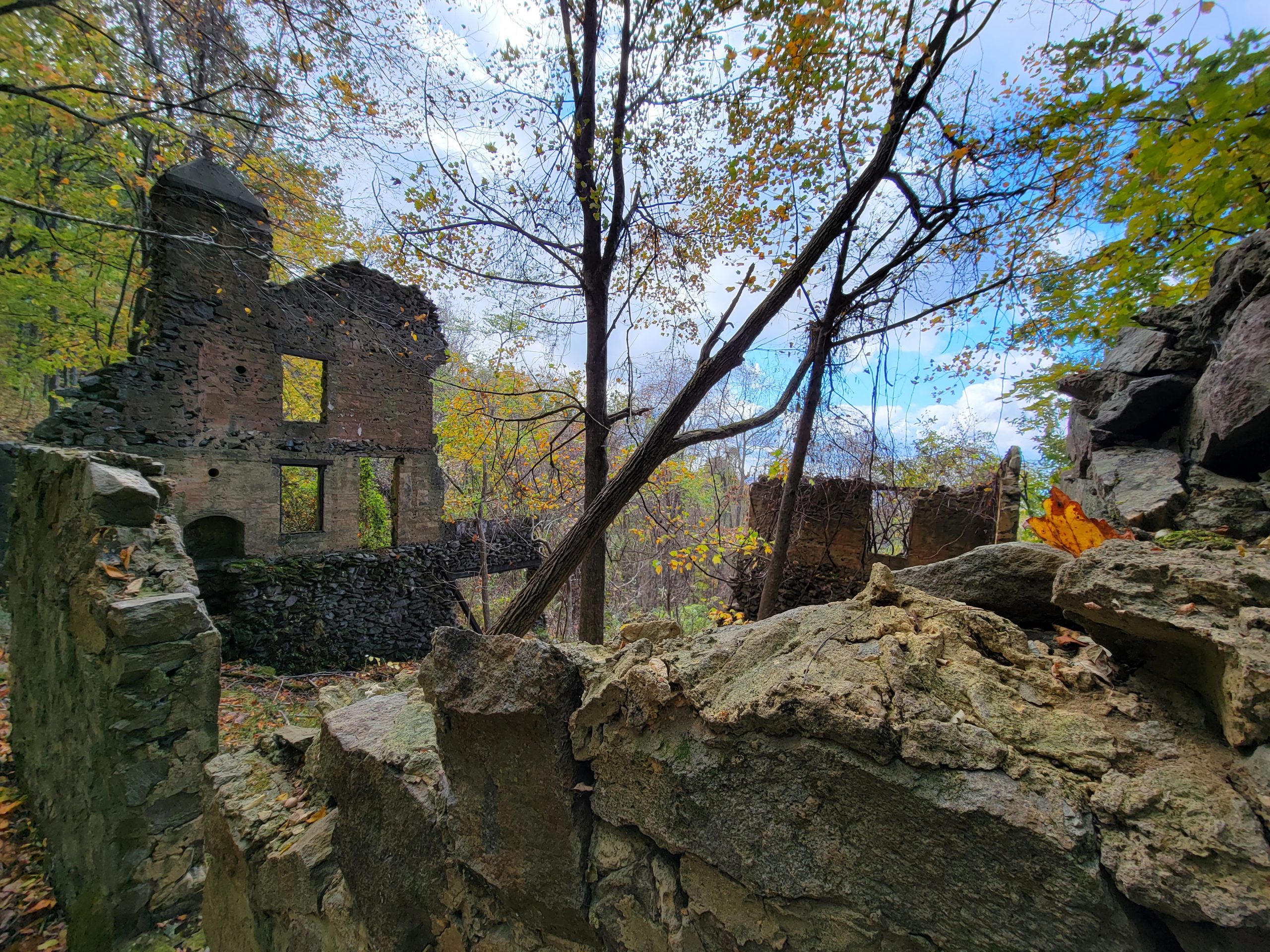
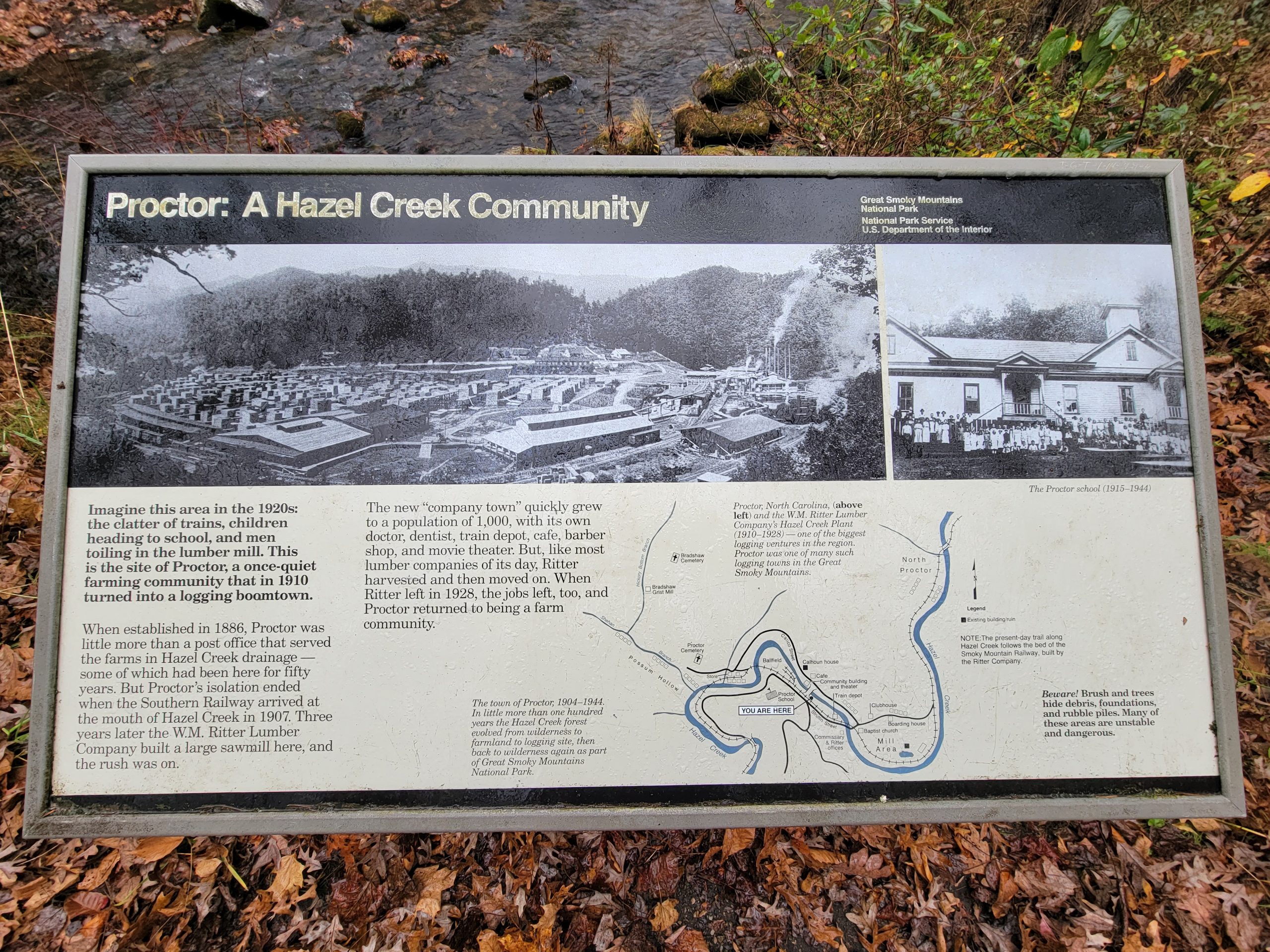
Farther north, near the BMT’s intersection with the Lakeshore Trail above Fontana Lake, lies the haunting site of Proctor, North Carolina — once a thriving logging town on Hazel Creek.
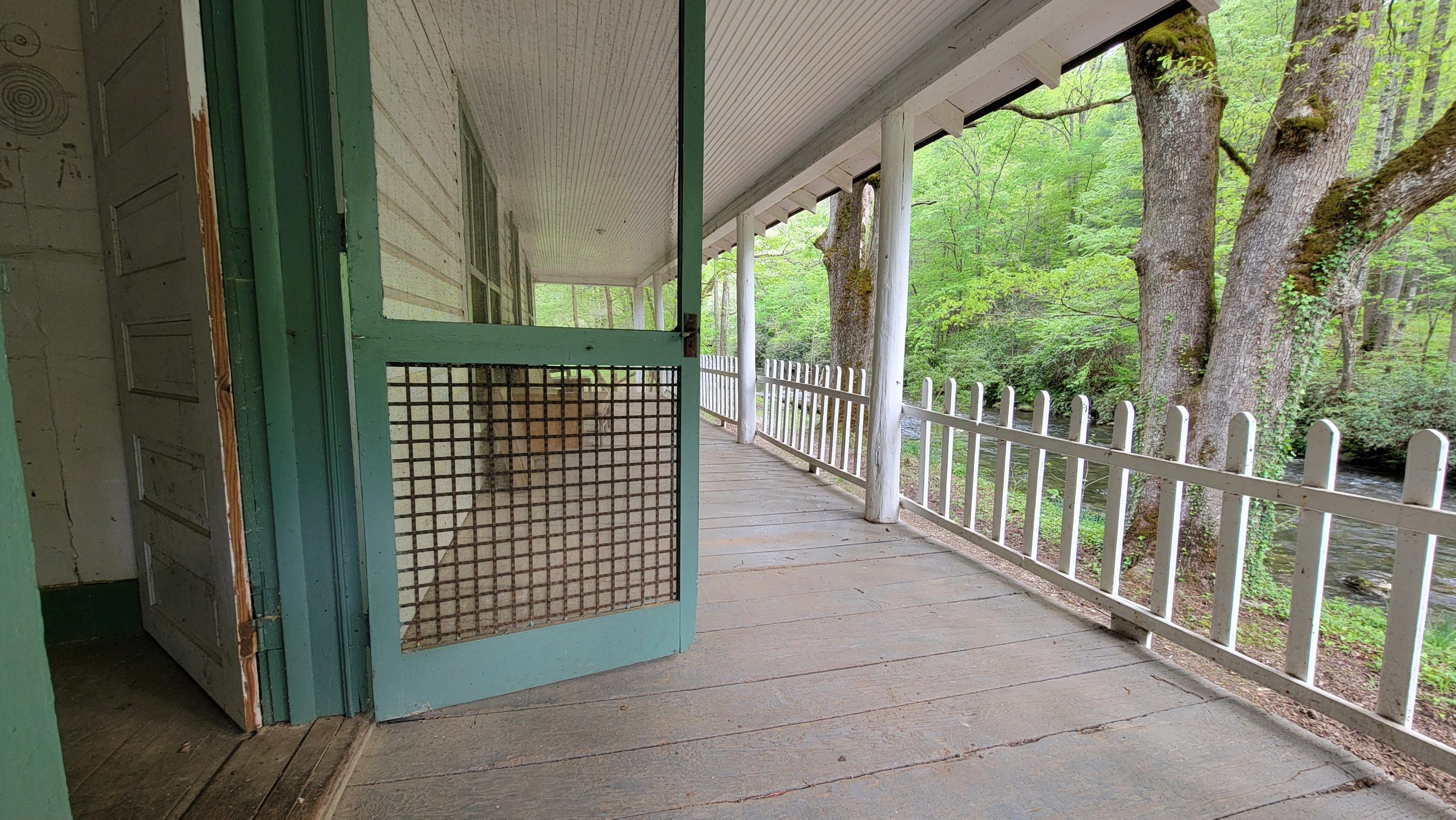
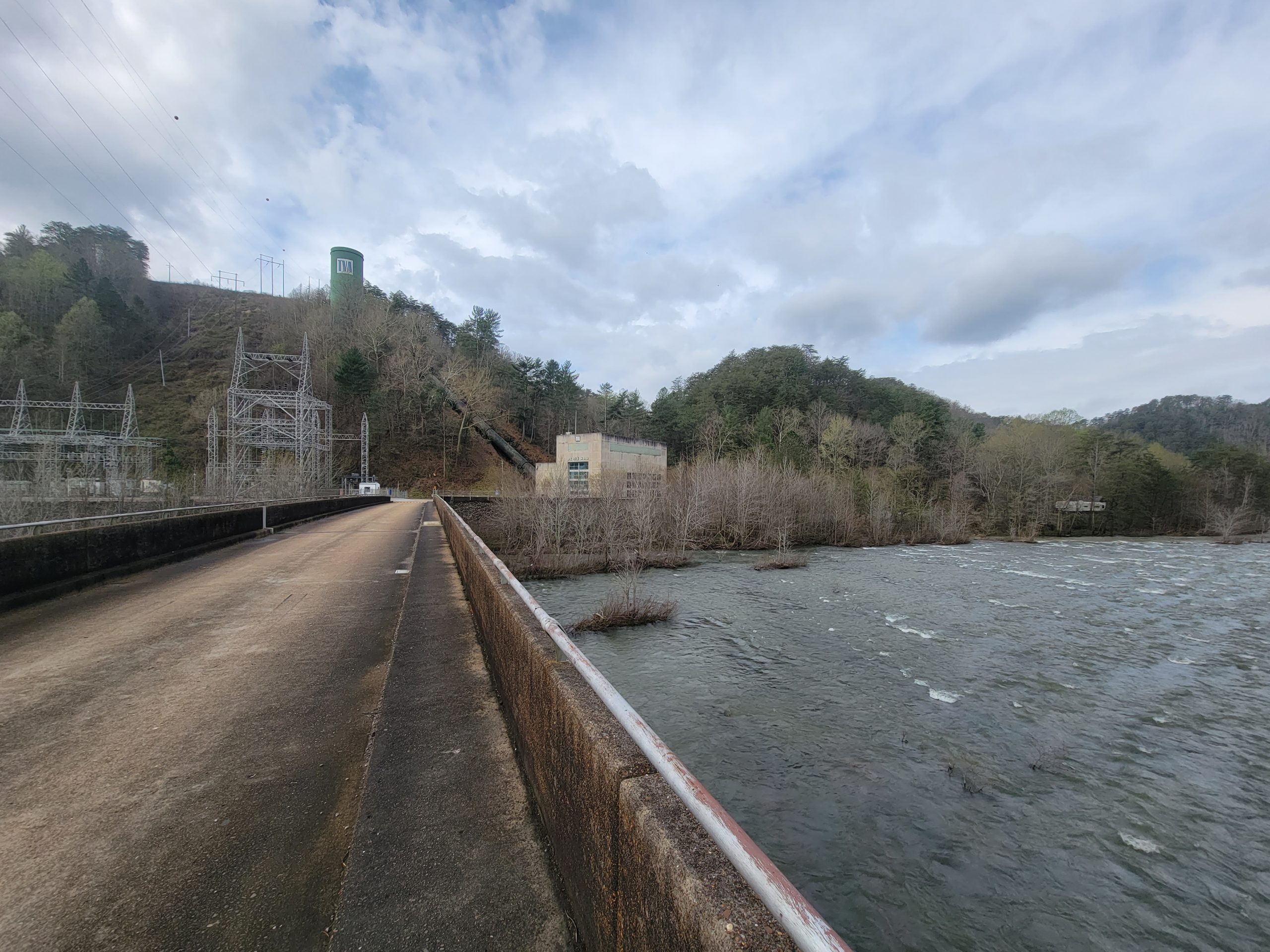
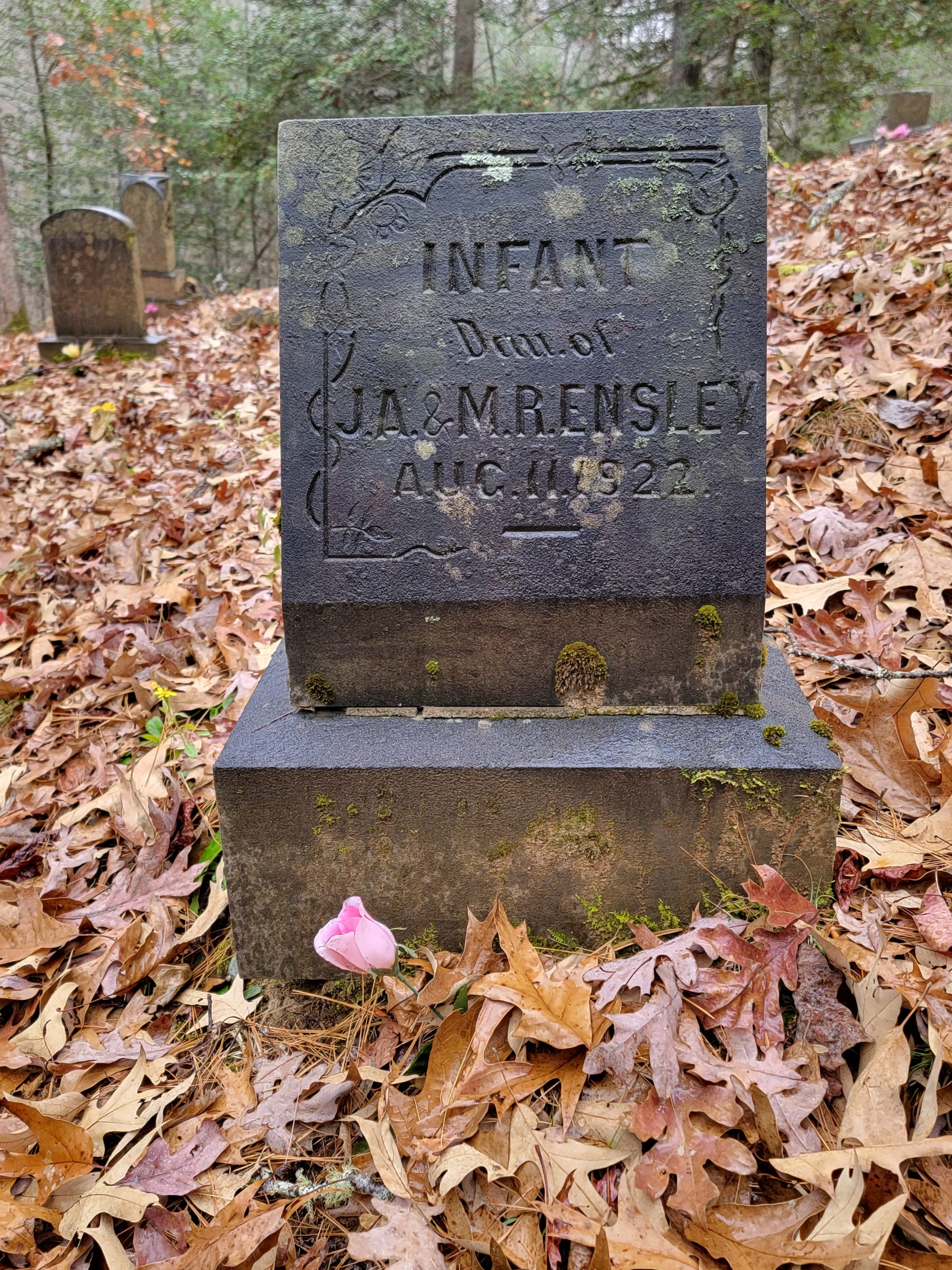
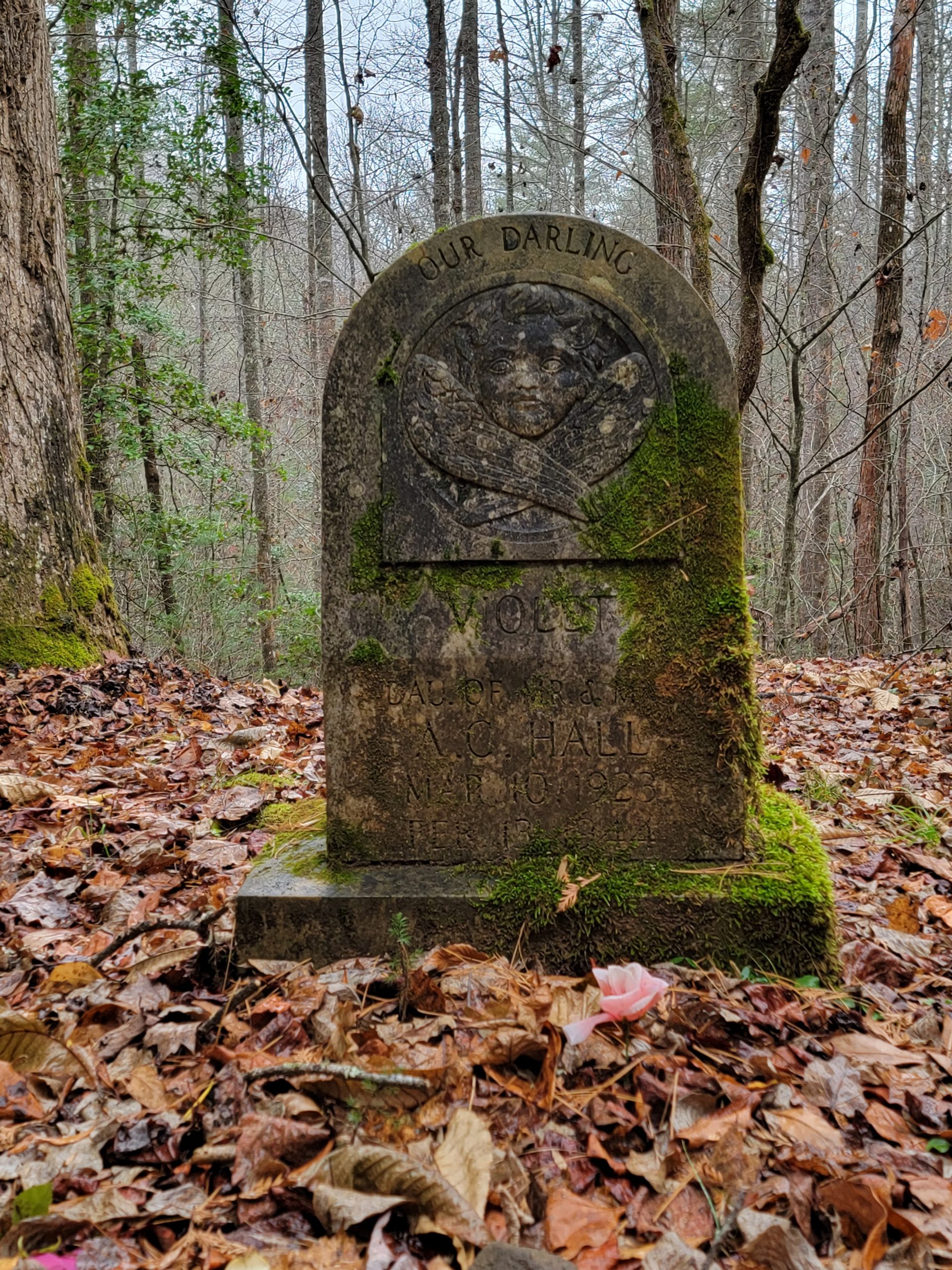
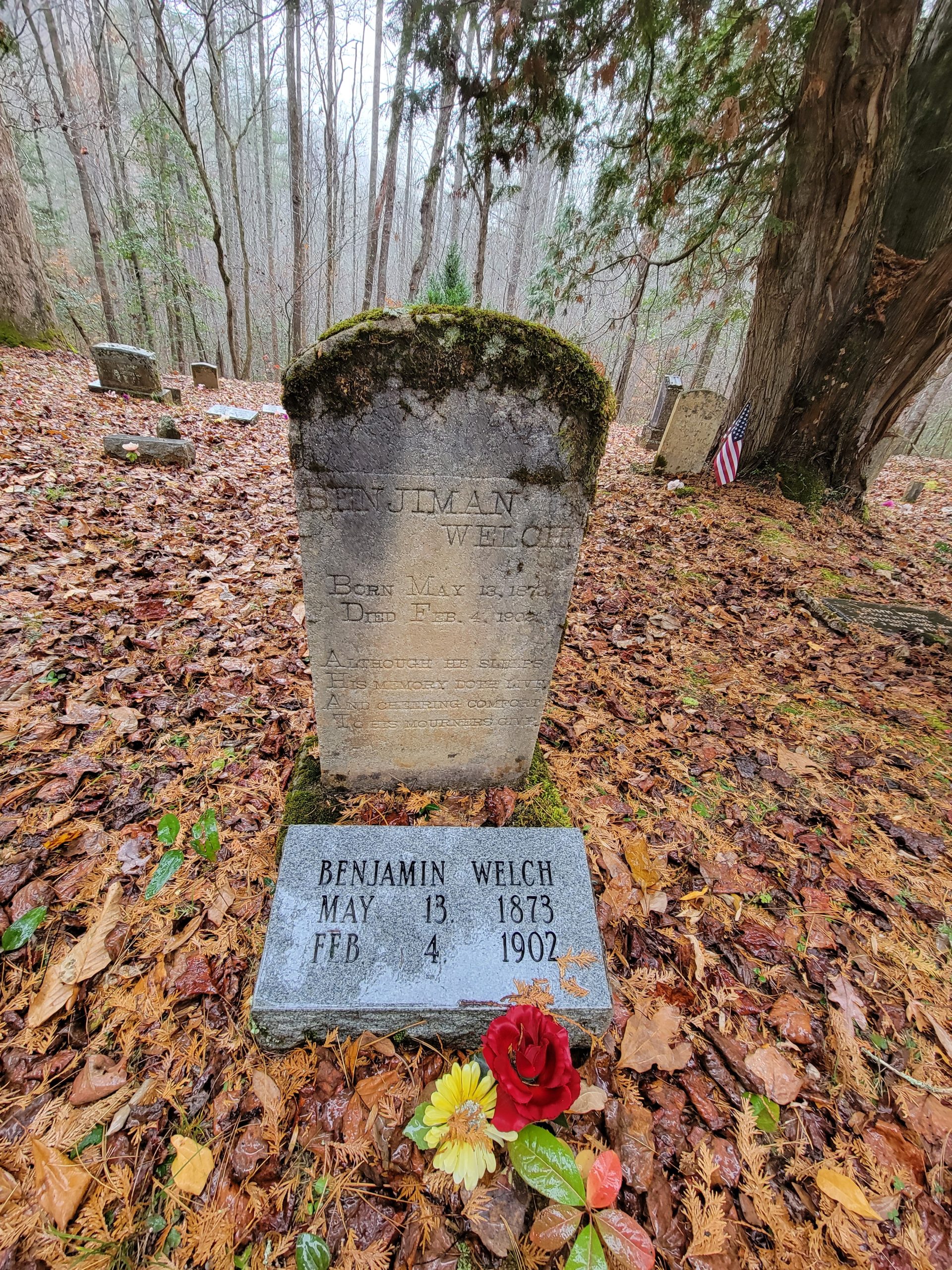
In the 1920s and 1930s, Proctor buzzed with sawmills, schools, and churches and even a movie theater. When the Fontana Dam was built during World War II, the valley was flooded, and the residents relocated. Today, only a few buildings remain but stone foundations, walls, and the remains of the Proctor cemetery hint at the larger community that once stood there.
Many BMT hikers detour here to walk along the old roads and listen to the wind moving through the ghost town’s remains. In the quiet of November, it feels like the forest itself remembers.
Proctor
Proctor
Proctor
Proctor
Stories Still Being Written
Not all of the BMT’s hidden stories are old. Every volunteer who swings a Pulaski, every backpacker who watches the sun rise over the ridges, every child who steps onto the trail for the first time adds another layer to its living story.
The BMT is not just a trail—it’s a timeline that keeps growing. November is the perfect time to walk slowly, listen carefully, and feel the echoes of past and present.
Tips for Finding Hidden Stories on Your Next Hike
Hike when the leaves are down. Late fall is perfect for spotting old rail grades, stonework, and chimney ruins.
Look for straight lines in a curvy forest. Nature rarely builds straight lines—old rail beds, walls, and roads often reveal themselves this way.
Carry a map and read the names. Place names often hold history: “Skeenah,” “Noontootla,” “Proctor,” “Tellico” — each has a story.
Talk with locals and volunteers. Some of the best stories aren’t in books or on maps—they’re passed along on the trail.
Be a Part of the Story
The Benton MacKaye Trail Association was founded to build, protect, and share this incredible trail. Whether you’re a hiker, history buff, or trail volunteer, you’re part of its living story.
👉 Join BMTA or Volunteer to help keep these stories alive for future generations.
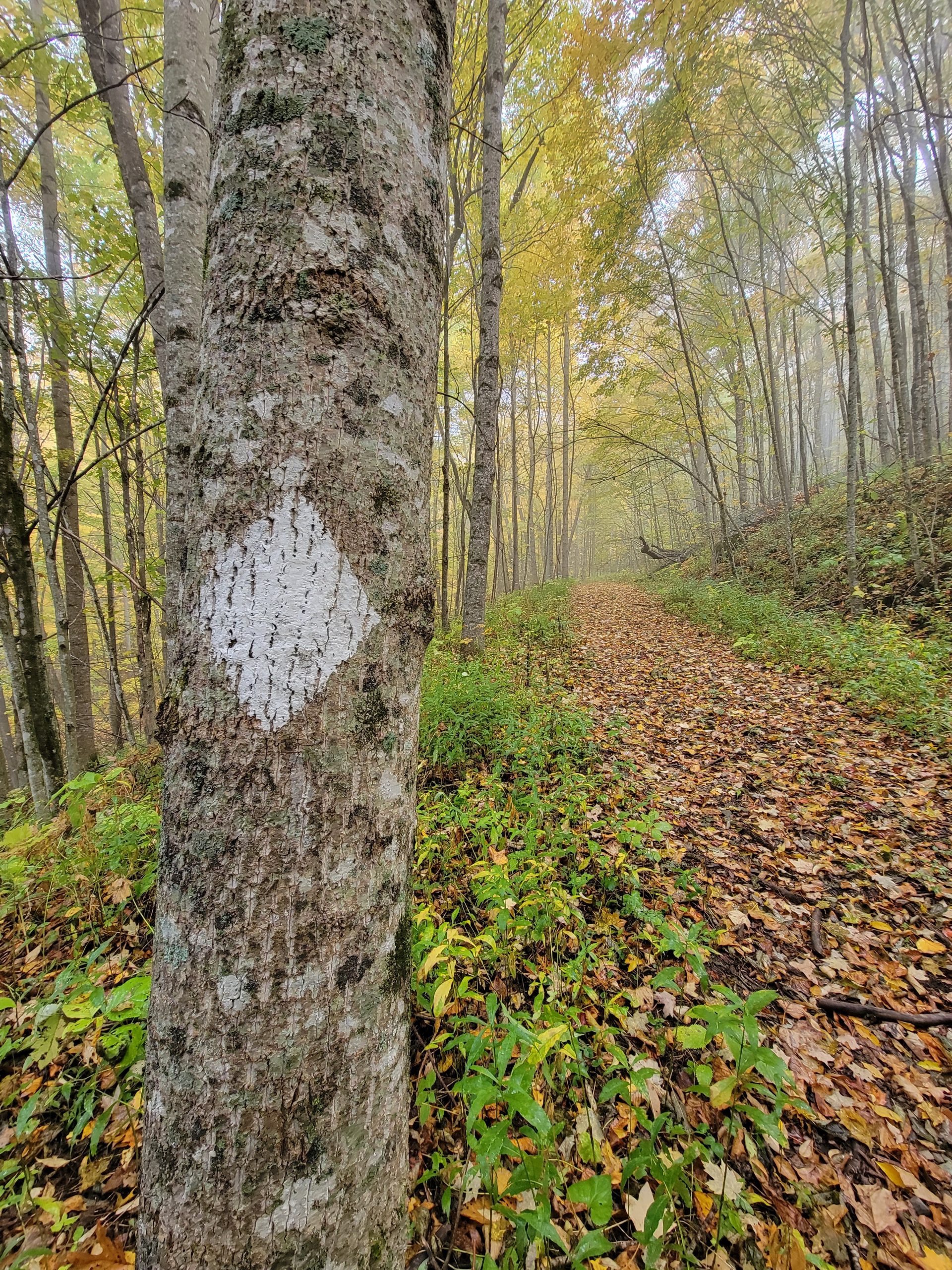
Old logging roads
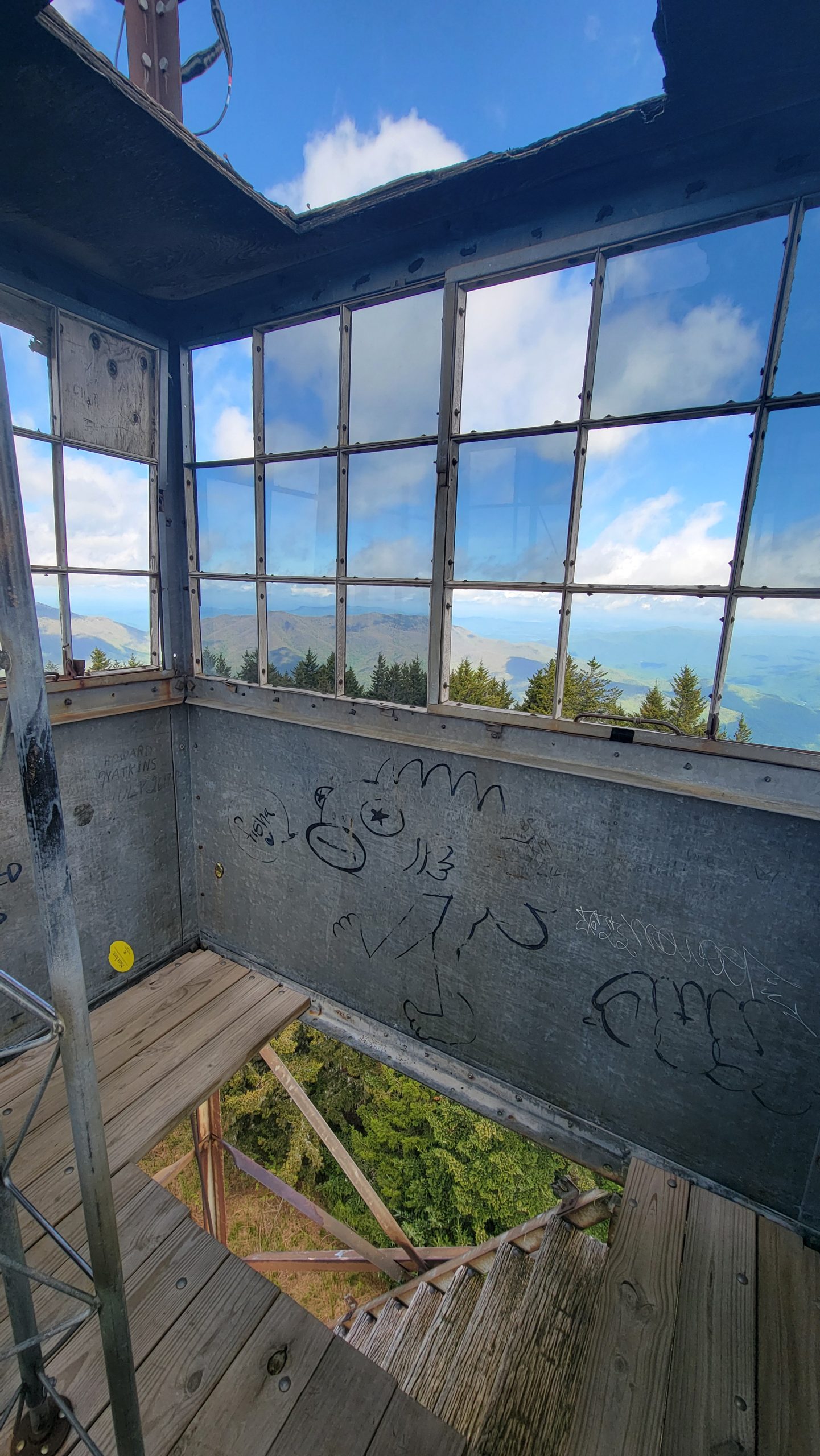
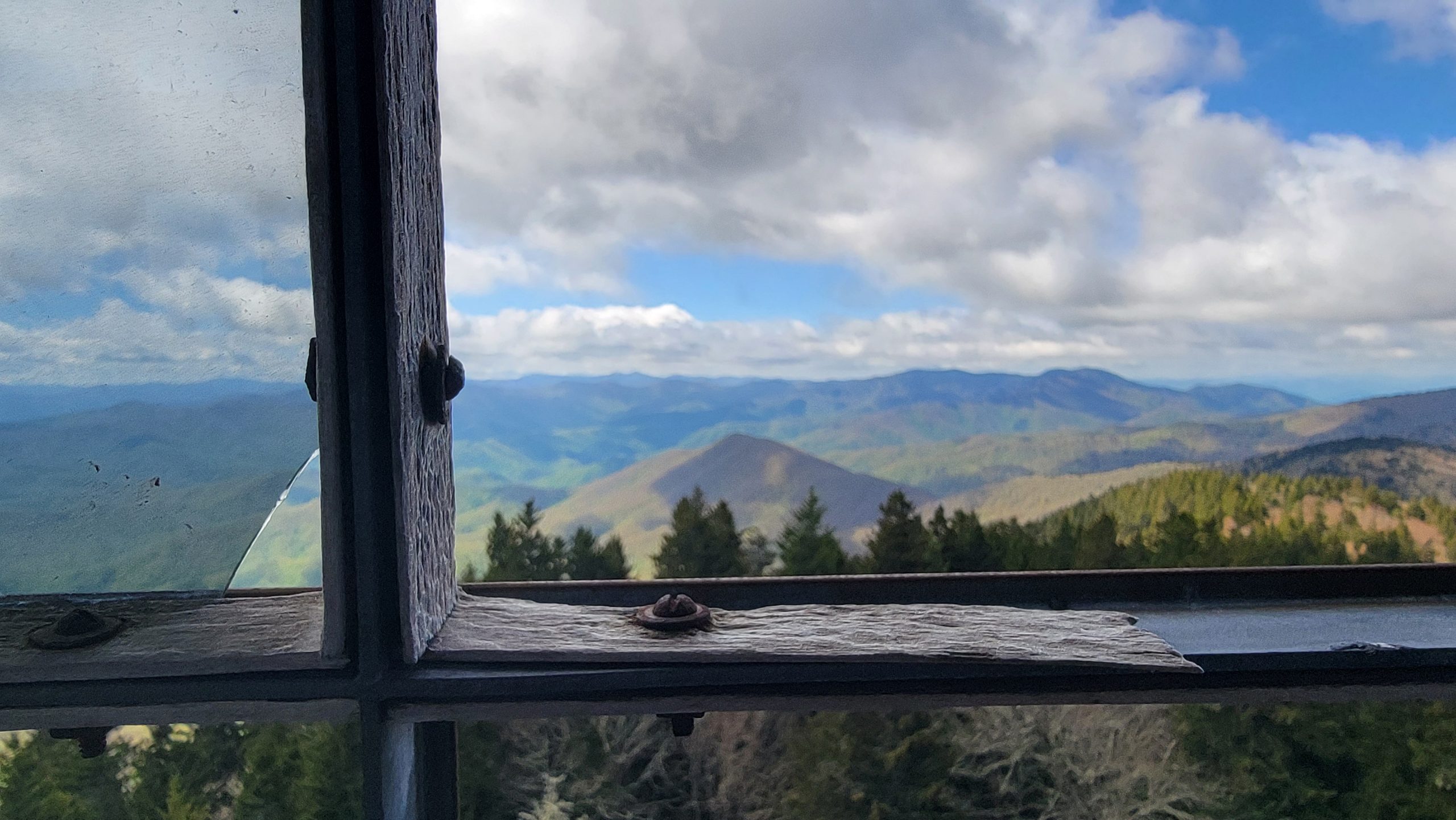
Mt Sterling fire tower
Mt Sterling fire tower
Mt Sterling fire tower
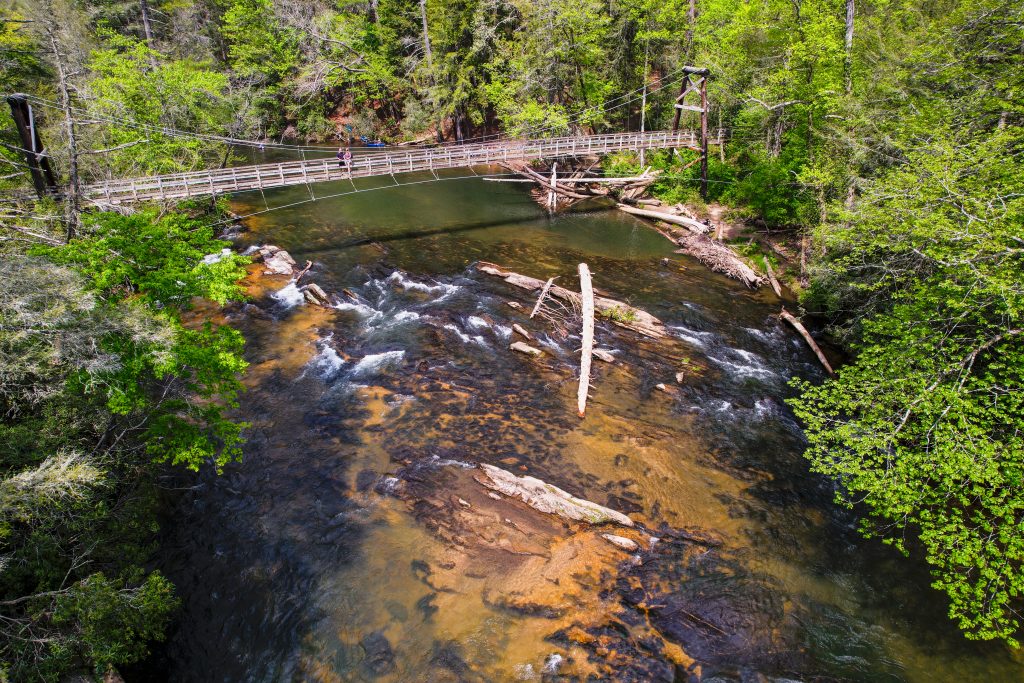
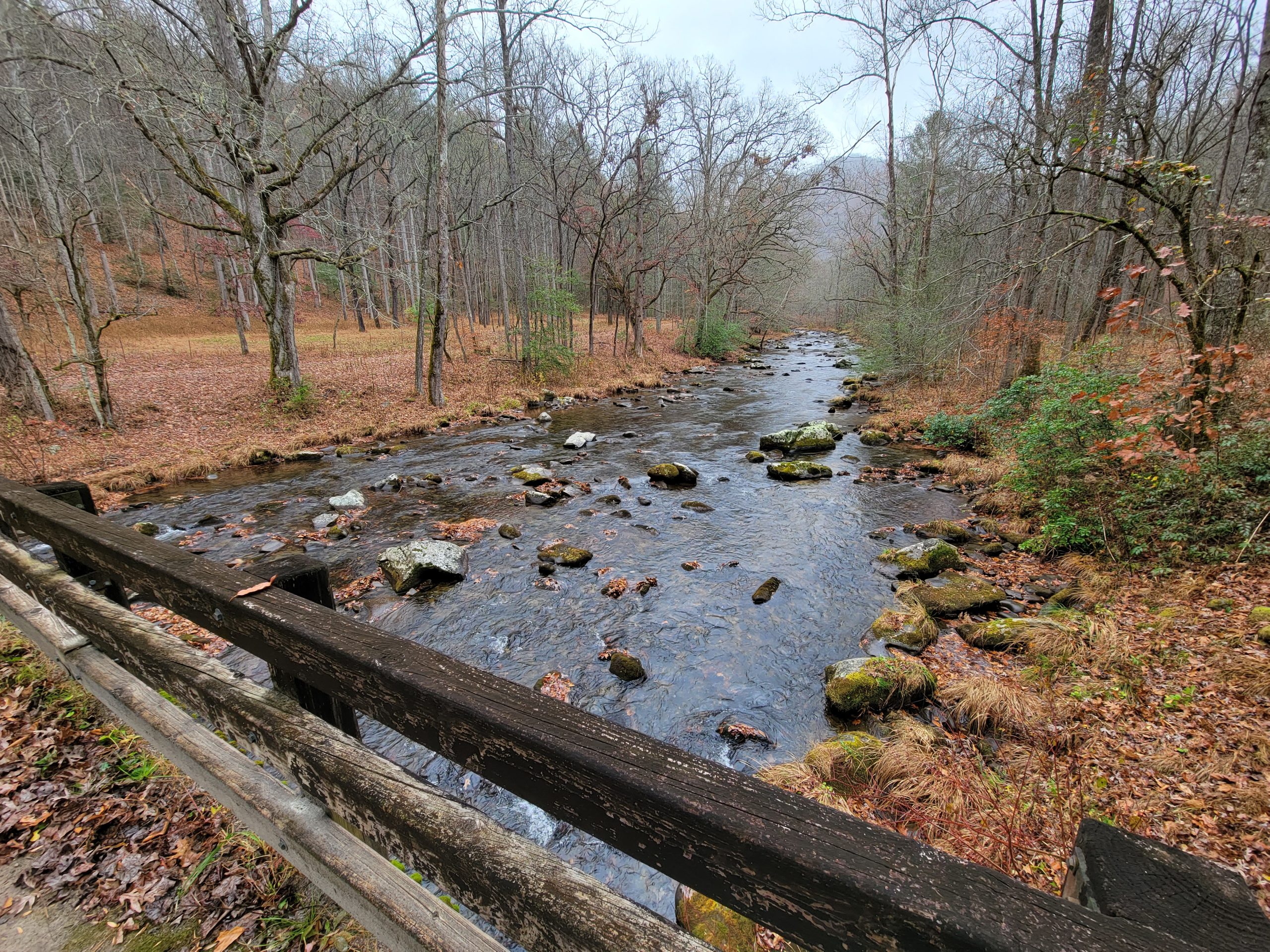
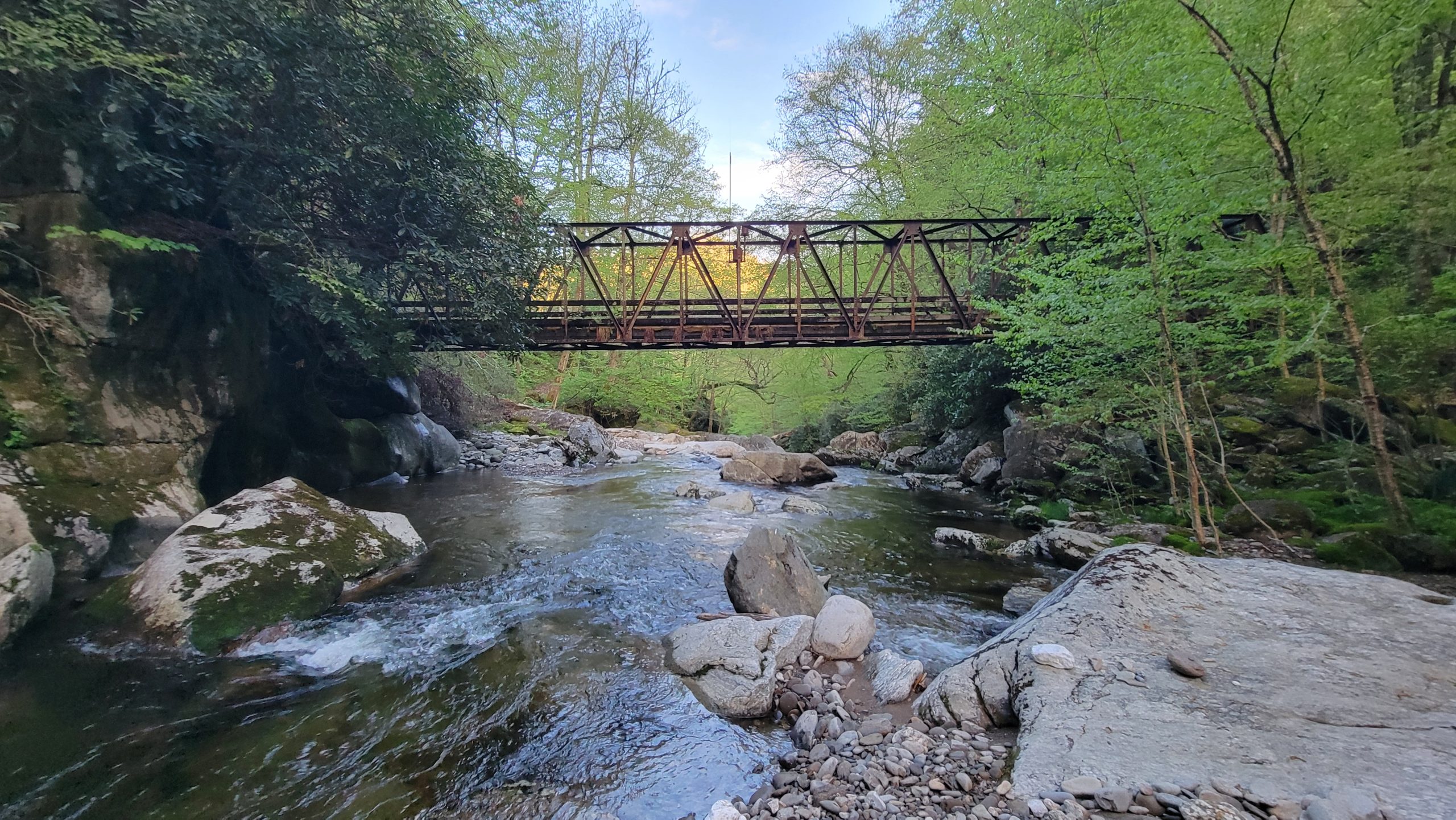
Bridge over Enloe Creek
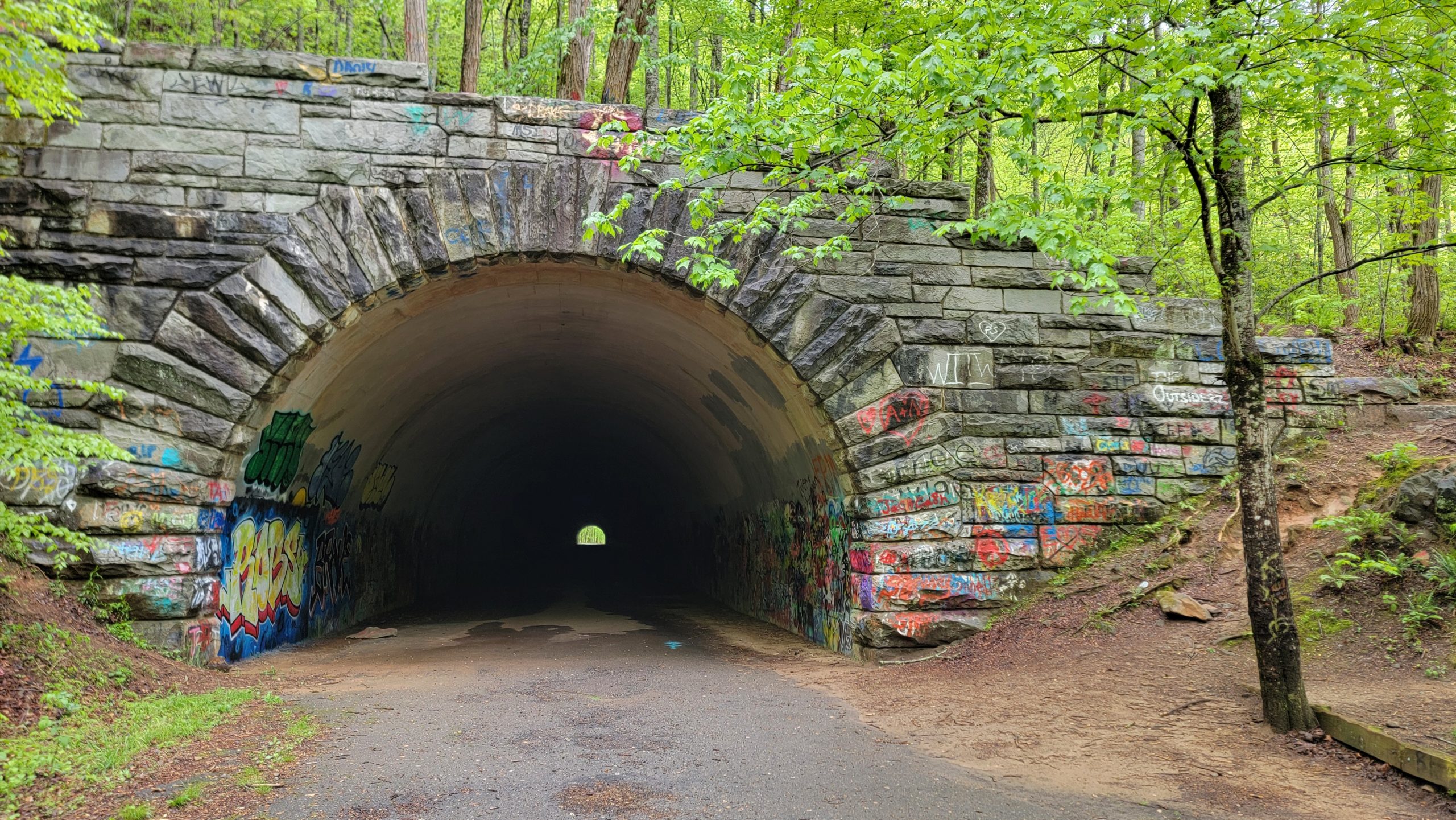
Tunnel at Road to Nowhere
Chminey relic from old cabin
Chminey relic from old cabin
Chminey relic from old cabin
Old logging roads
Old logging roads
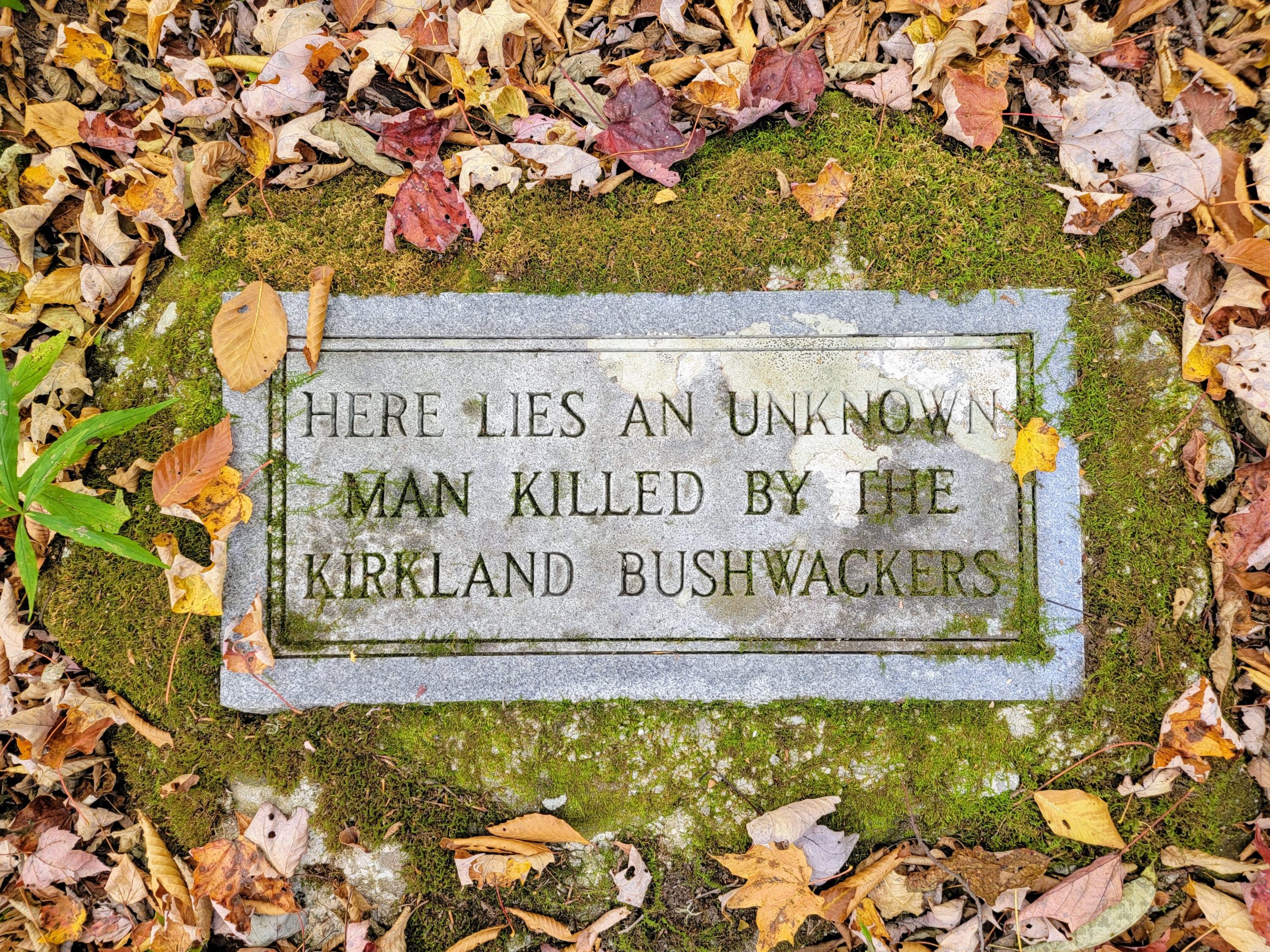
memorial to unknow person killed by the Kirland Bushwackers
Hiwasse Union Church (circa 1899)
Ocoee River and Powerhouse #3
Plaque honoring Benton Mackaye at Springer Mountain






 Subscribe via RSS