Planning, communication, risk management, and the mindset that matters most
There’s a moment on a quiet stretch of trail—no voices, no footsteps, no distant hum of anything—that clarifies what solo hiking really is.
Not isolation. Not unnecessary risk. But self-reliance paired with awareness.
On the Benton MacKaye Trail, solo hiking is a natural way to experience what the trail was designed to offer: space, quiet, and uninterrupted connection to the landscape.
That freedom, however, comes with responsibility.
Solo hiking is not about eliminating risk. It is about understanding it, managing it, and making sound decisions throughout the day.
Map of trek route shared with family/friends before a solo hike
Planning Comes First
Safety on a solo hike begins before you ever step onto the trail. Gear matters, but planning matters more.
A solid plan should answer a few key questions:
Where am I starting and ending?
What is a realistic pace based on terrain and daylight?
Where are reliable water sources?
What are my exit options if plans change?
The Benton MacKaye Trail varies in its level of remoteness. Some sections are closer to access points, while others feel far removed from roads and people. Know which type of section you are entering. Use our resources here on the BMTA website to help plan your trip.
Just as important as your destination is your turnaround plan. Decide in advance when you will turn back, regardless of whether you have reached your intended stopping point.
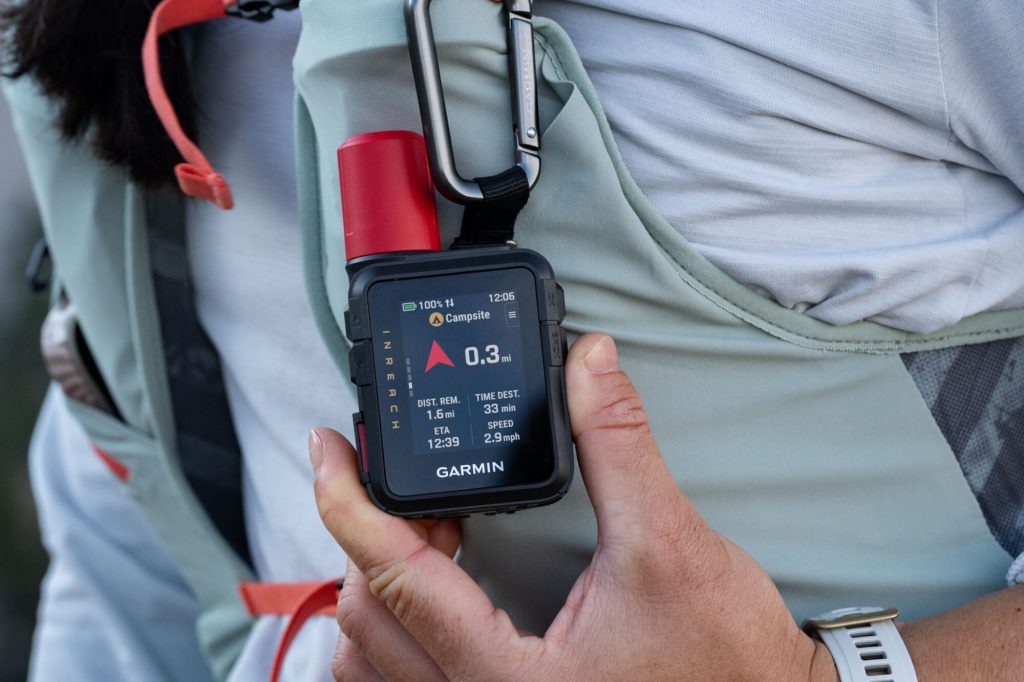
Garmin inReach Mini 3 - Garmin
Communication Is Essential
Before heading out, make sure someone knows your plan.
Provide clear details:
The section of trail and direction of travel
Planned start and finish times
Where your vehicle will be parked
When they should become concerned if you have not checked in
Cell service is inconsistent across much of the BMT. It is best to assume you will not have coverage when you need it.
Many solo hikers carry a satellite communicator such as a Garmin inReach. These devices can provide an additional layer of safety, especially in more remote sections. Even so, your primary safeguard is still a well-communicated plan shared with someone who will follow up if needed.
Managing Risk Through Small Decisions
Most backcountry incidents are not the result of major events. They tend to come from small decisions that build over time.
Continuing a bit too far past daylight. Crossing water that is slightly higher than expected. Ignoring fatigue or a change in conditions.
Managing risk on the BMT comes down to consistent, thoughtful choices:
Stay within your comfort and ability level
Pay attention to time and daylight
Approach water crossings cautiously
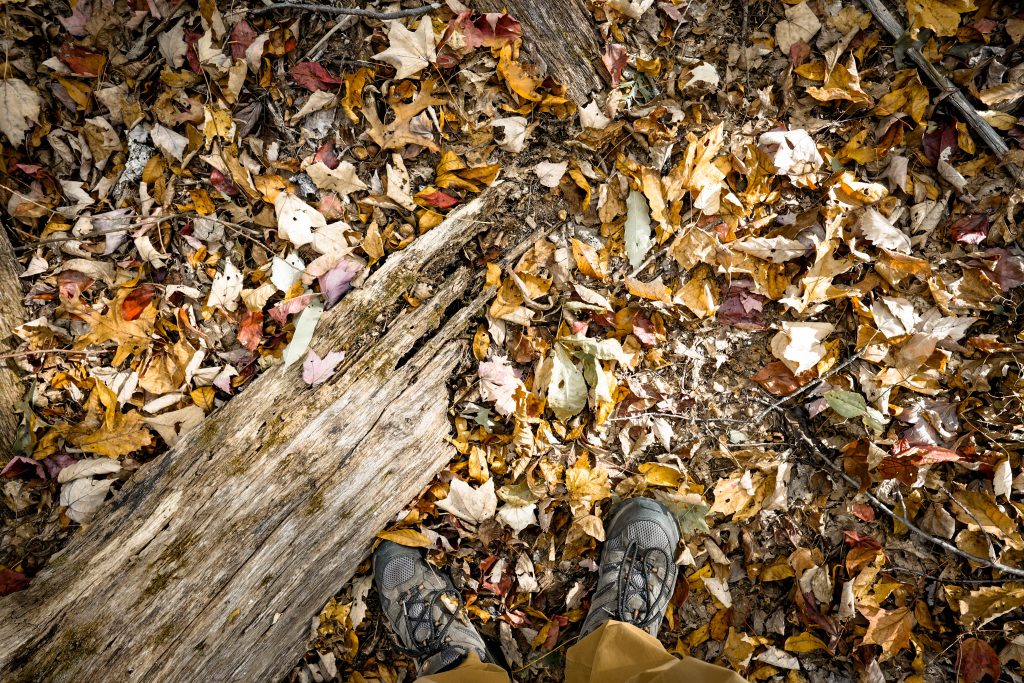
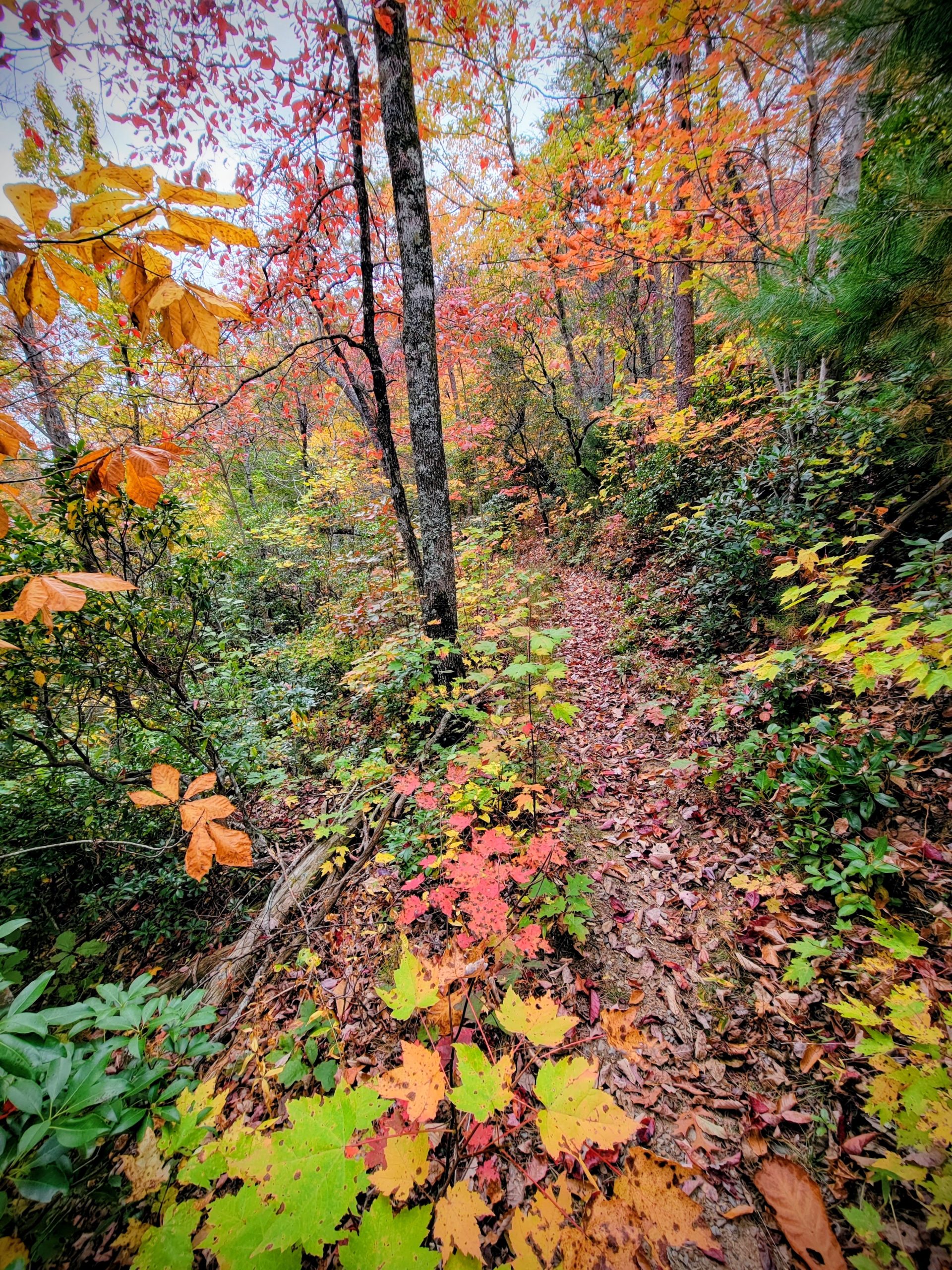
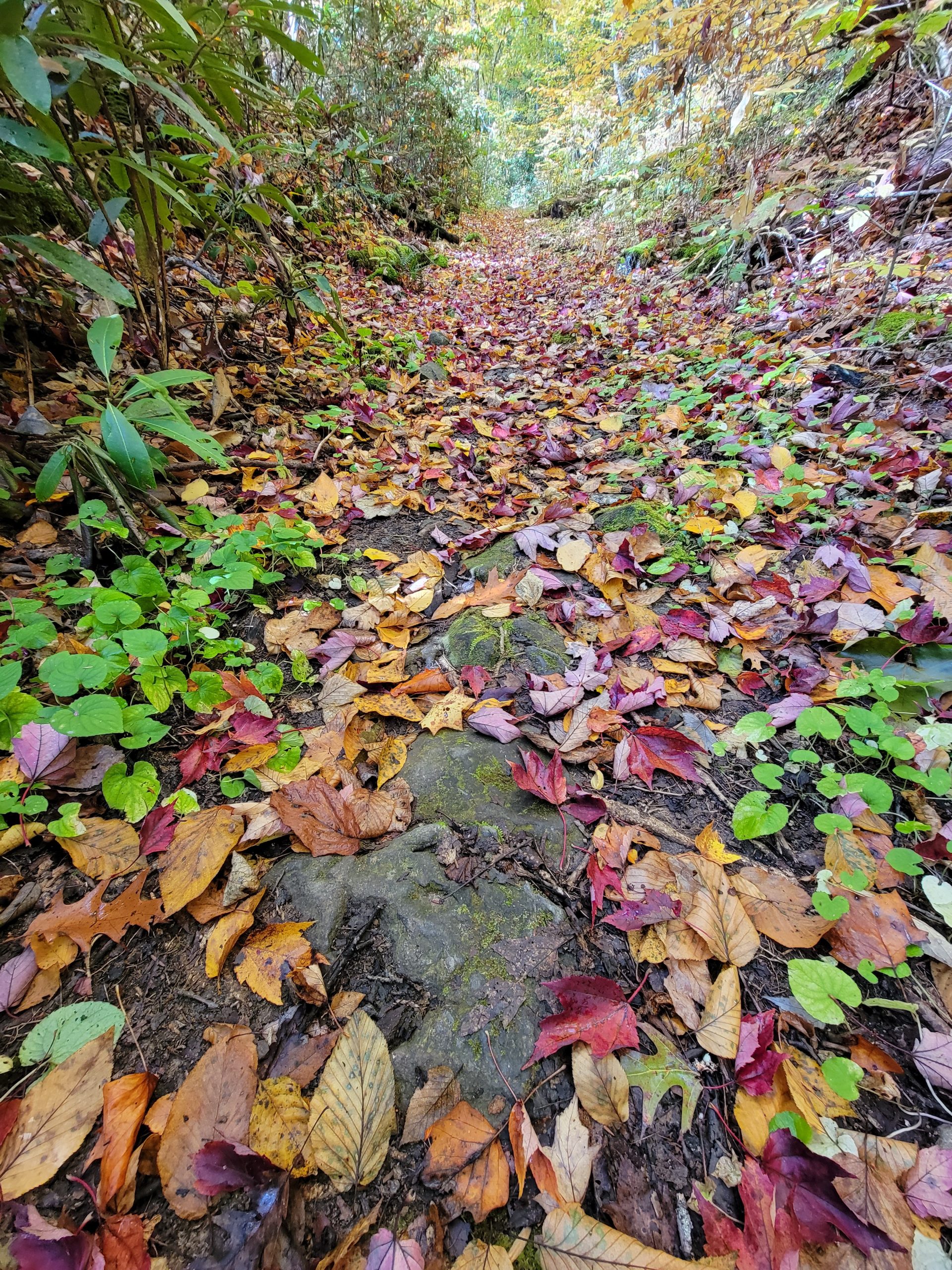
Slow down on uneven or leaf-covered terrain
Adjust plans early rather than late
Good judgment early in the day prevents difficult situations later.
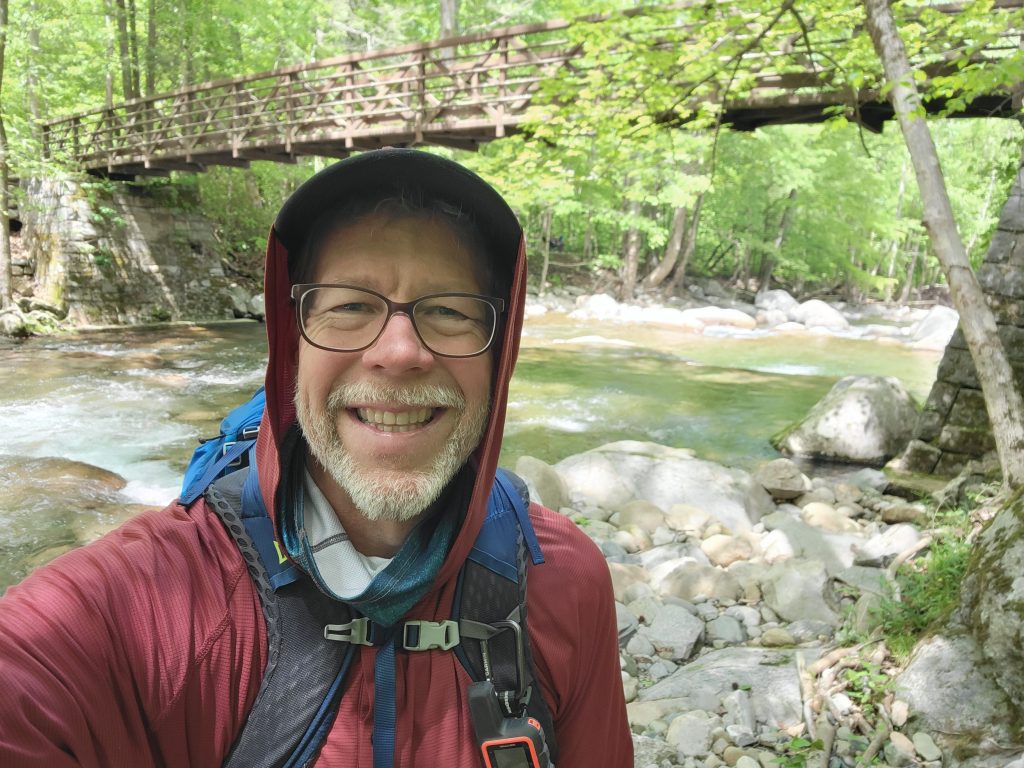
Creek crossings abound on the BMT
Understanding the Terrain
The BMT passes through a wide range of environments, including ridgelines, forested descents, creek crossings, and remote corridors.
Each brings its own considerations:
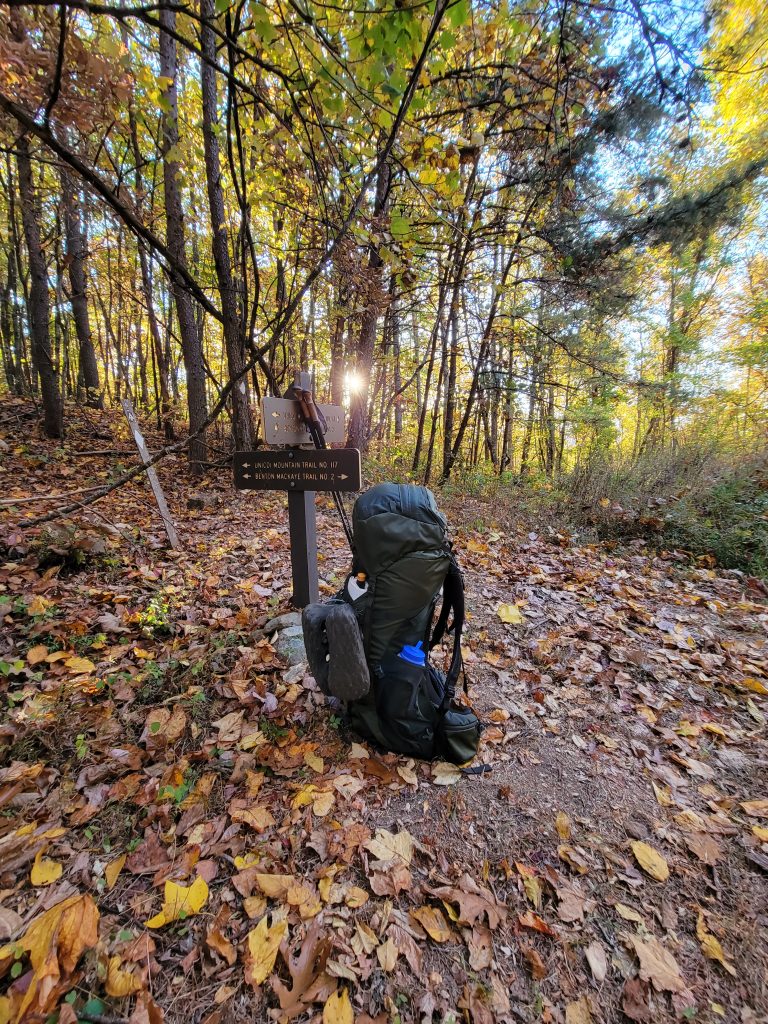
Leaves can obscure footing and hide hazards
Descents often place more strain on the body than climbs
Wet conditions increase the difficulty of otherwise manageable terrain
Remote stretches may have little to no foot traffic
These are not reasons for concern, but they do require attention. Awareness of your surroundings is one of the most effective tools you have.
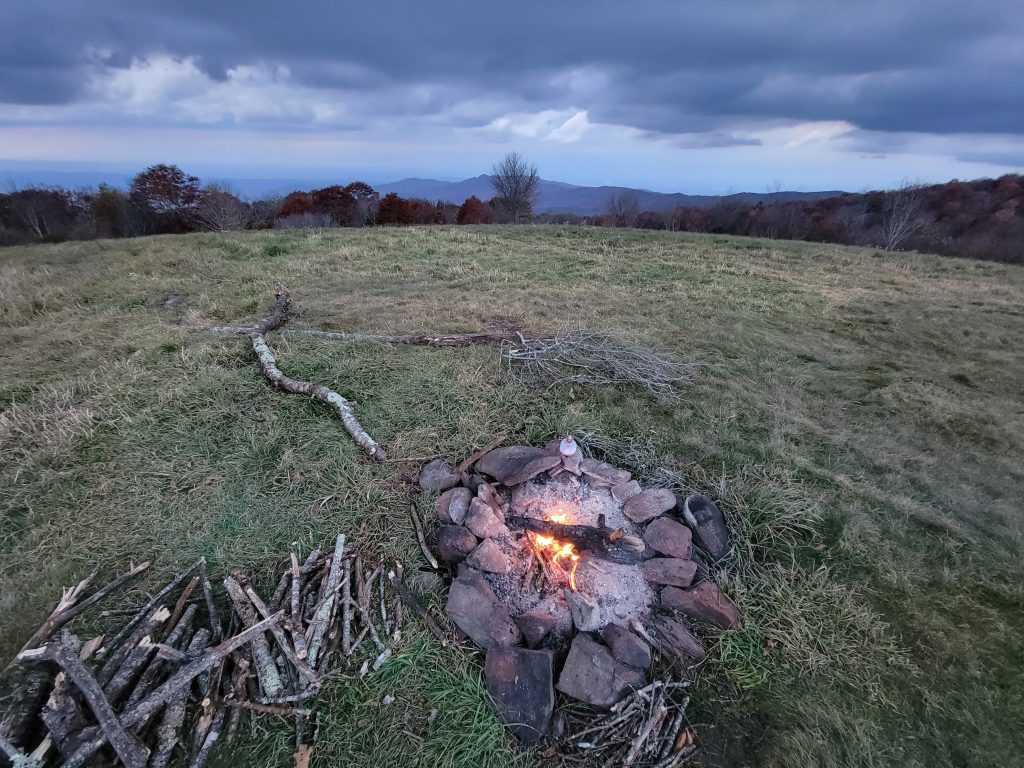
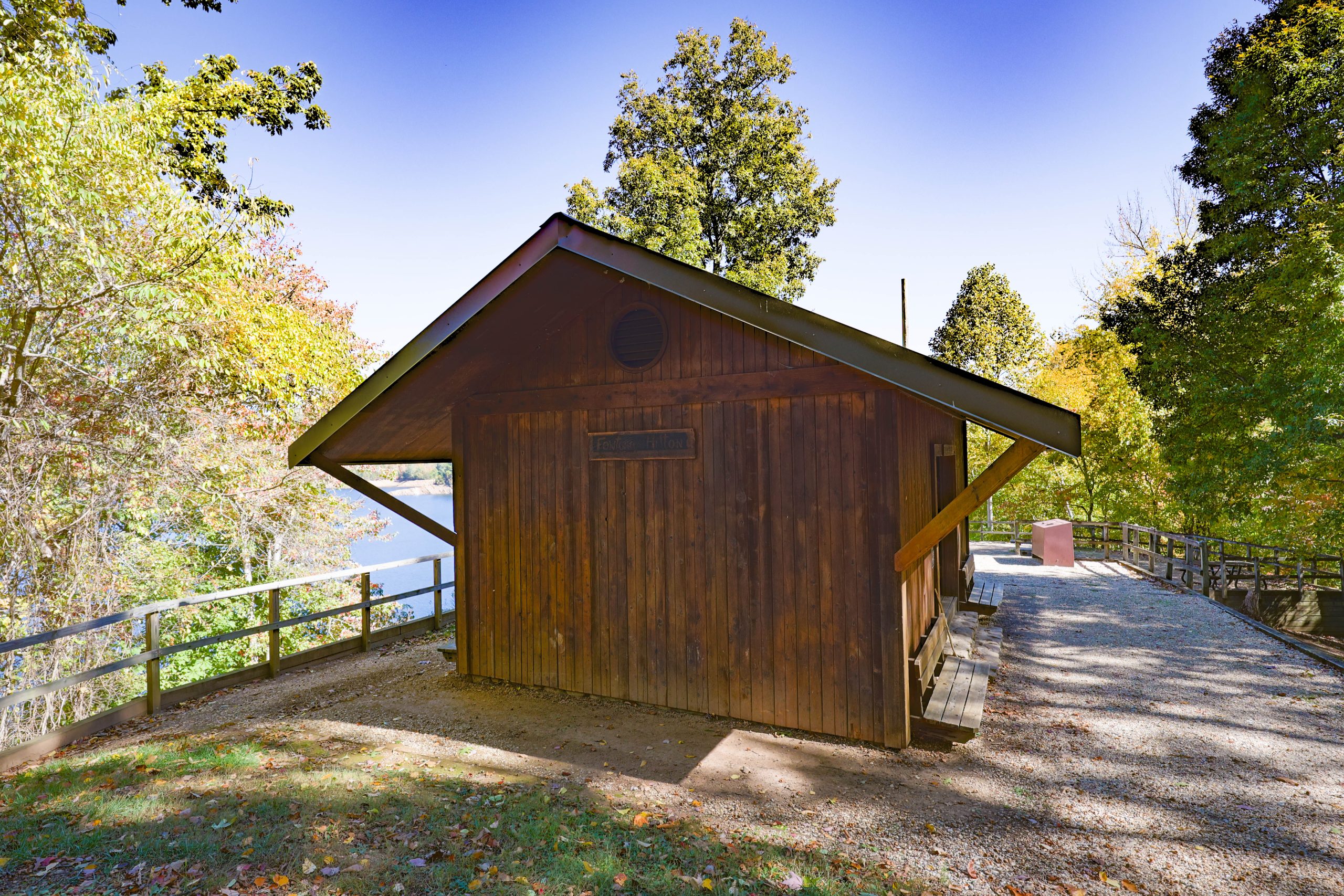
Whigg Meadow
The Mindset That Makes the Difference
Solo hiking is as much mental as it is physical.
A strong mindset includes:
Remaining calm rather than overconfident
Staying flexible when plans need to change
Maintaining awareness of surroundings and conditions
Moving with patience rather than urgency
There is rarely a situation on the trail that benefits from rushing. Taking the time to think clearly is one of the most important safety habits you can develop.
Payne Gap
Solitude, Not Isolation
There is an important distinction between solitude and isolation.
Solitude is intentional and often rewarding. Isolation can occur when awareness and connection to your plan begin to slip.
On the BMT, solitude is part of the experience. Staying grounded—by checking in with your time, your energy, and your environment—keeps that solitude positive and controlled.
Baxter Creek
A Practical Solo Safety Checklist
Before your hike, take a moment to confirm the basics:
Route planned, including backup options
A trusted contact informed of your plan
Weather reviewed
Water sources identified
Turnaround time established
Basic first aid and a reliable light source packed
Navigation tools ready (map, app, or GPS)
Hard Copy Map (backup in case electronics fail)
Communication plan in place
These steps are simple but highly effective. See our Trail Store and Discover the Trail pages for additional resources
The Reward of Hiking Alone
When approached thoughtfully, solo hiking offers a different kind of experience.
You tend to notice more. You move at a natural pace. You become more aware of both your surroundings and your decision-making.
Over time, this builds confidence grounded in experience rather than assumption.
That is part of what makes the Benton MacKaye Trail unique. It allows space not just to hike, but to think, observe, and develop trust in your own judgment.
Ocoee River
Consider starting with a shorter solo section of the BMT. Plan carefully, communicate clearly, and stay within your comfort zone.
Confidence builds over time through good decisions.
If you value trails that offer this kind of experience, consider supporting the ongoing work behind them.
Join, volunteer, or donate to help maintain and protect the Benton MacKaye Trail.








 Subscribe via RSS