Slower hiking, deeper noticing, and experiential wilderness travel — an early spring ramp-up for March.
Early spring is when many of us feel the pull to “get after it” again—bigger miles, bigger goals, a faster return to summer strength. And there’s nothing wrong with ambition.
But there’s another kind of spring reset that doesn’t start with a number.
Peak bagging can be motivating and community-building. It also can flatten a living landscape into a checklist—turning a wild place into a backdrop for statistics. The Benton MacKaye Trail (BMT) quietly offers a counterpoint: a trail that rewards attention, patience, and the simple act of being fully present outside.
This month, as we ramp up for the season, let’s explore how the BMT invites us to trade conquest for connection.
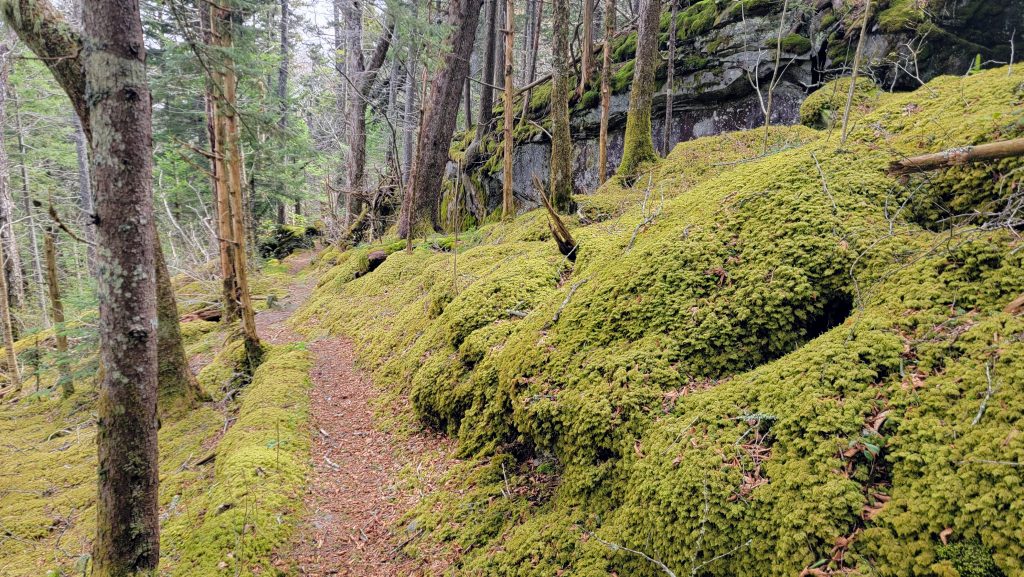
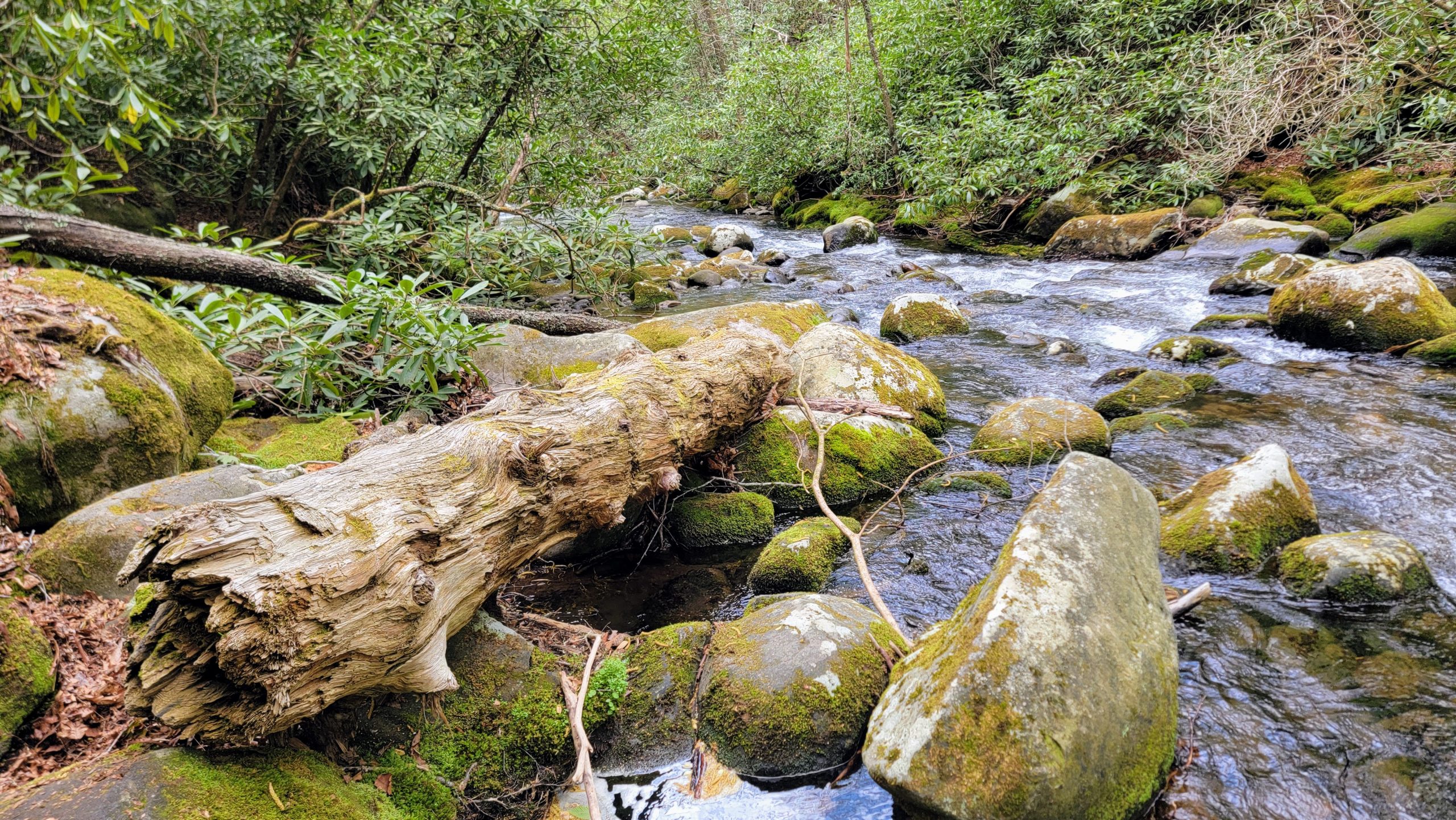
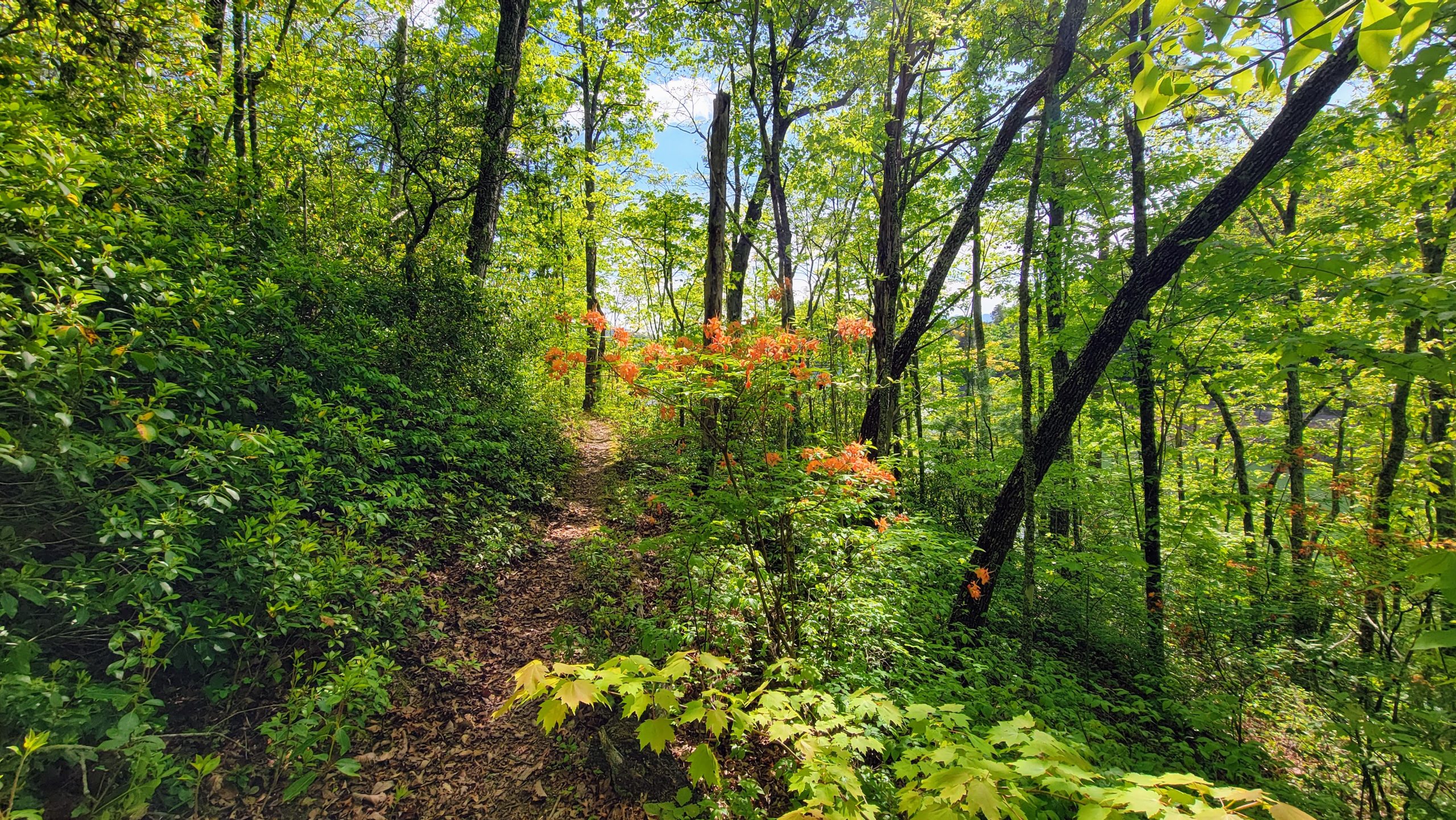
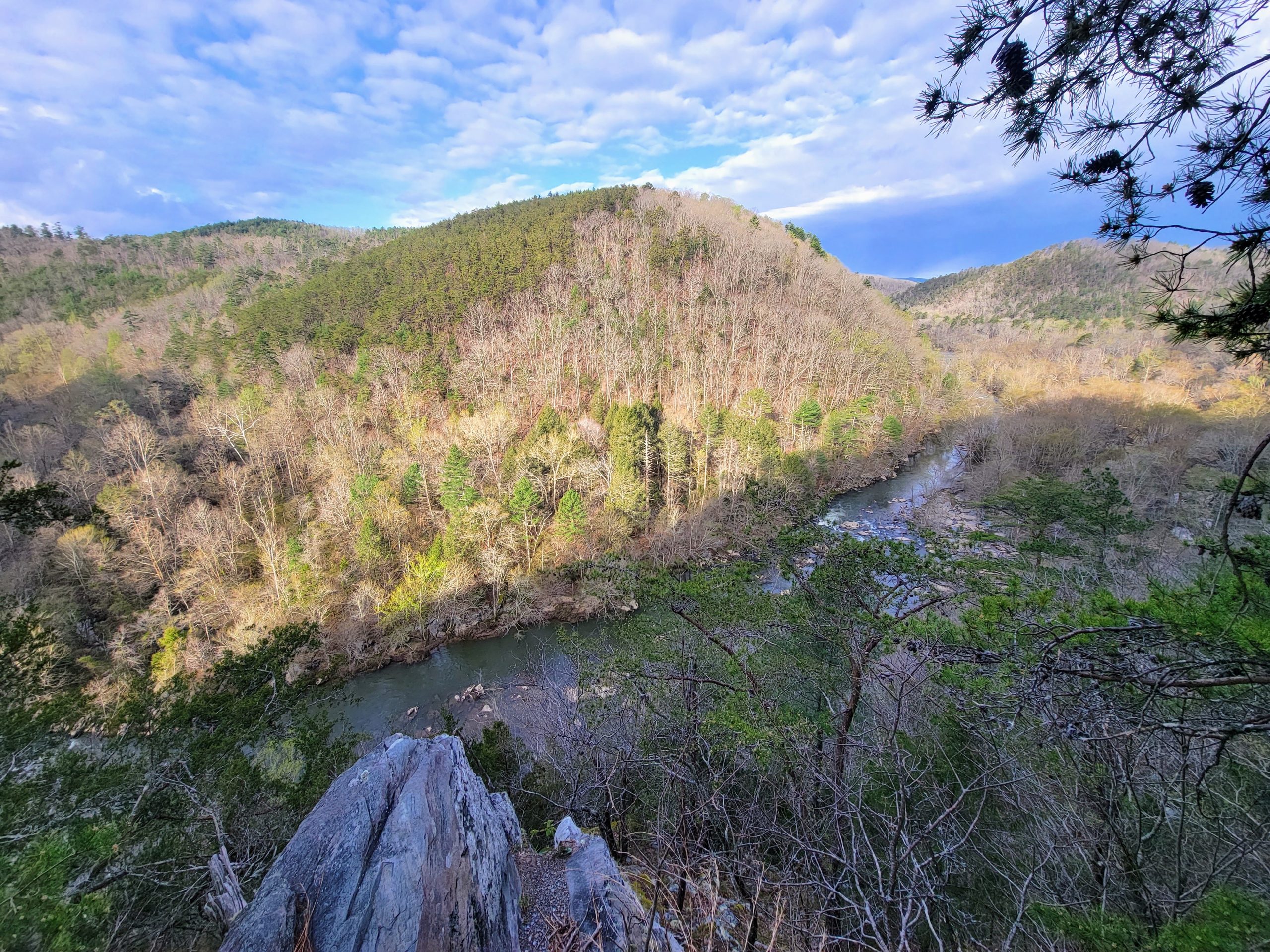
The BMT absolutely has big moments—ridgelines, balds, and far-off views. But it shines in the in-between: creek corridors, rhododendron tunnels, old roadbeds softening back into forest, sudden pockets of birdsong, and the long quiet of remote ridges.
Peak bagging tends to reward a narrow slice of experience: elevation gain, a named high point, a view. The BMT rewards something broader: sensory attention and a willingness to let the day unfold without needing to “win” it.
On the BMT, the richest moments often aren’t the summit photo. They’re the subtle, seasonal tells:
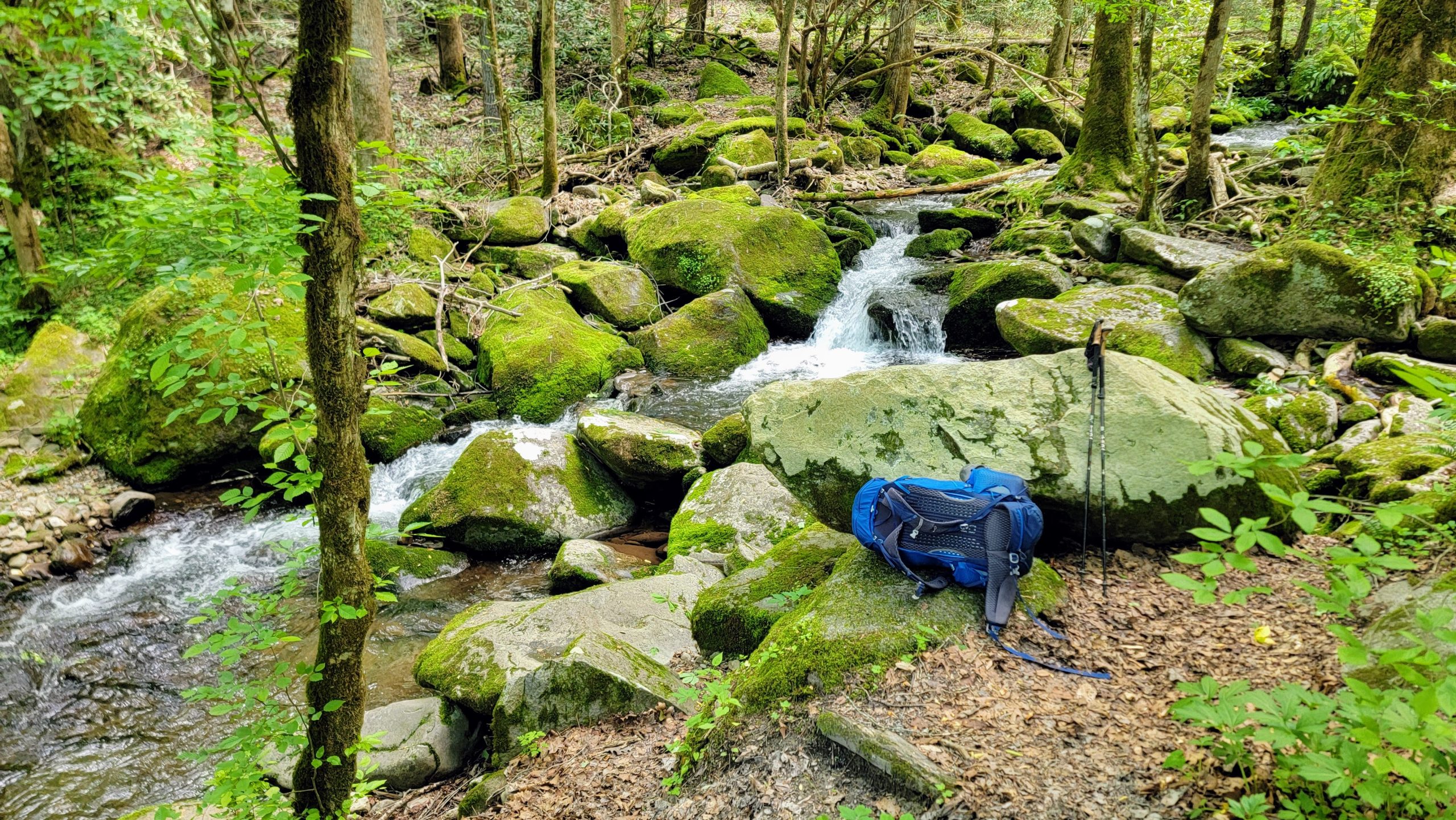
a creek that’s louder after winter rains
the first spring peepers calling from hidden water
a slope warming on the south-facing side
the smell of wet leaf litter coming back to life
sunlight landing in the forest in a new way
If you’ve ever finished a BMT day feeling like you experienced a place rather than used a place, you already understand its quiet power.
Slower hiking is a different goal
Not “less,” but deeper
“Slower hiking” isn’t simply moving inefficiently. It’s choosing a different purpose for the day:
Not How much can I do?
But How deeply can I be here?
That shift changes everything—your route choices, your breaks, your camp routine, even what you pack.
Three ways to slow hike (without feeling like you’re falling behind)
1) Build “noticing” time into your mileage Plan for:
– one long sit (30–60 minutes) somewhere beautiful
– two curiosity stops (5–10 minutes each) where you investigate something small
– one no-headphones hour when your ears do the navigating
2) Choose routes for texture, not trophies Ask:
– Where will I hear water?
– Where will the light be good?
– Where might I feel alone (in a good way)?
– Where can I see signs of the land’s story without needing a “big” destination?
3) Define success before you start Try a non-metric goal:
– “I want to learn five bird calls today.”
– “I want to find three different kinds of lichen.”
– “I want one photo that shows pattern, not panorama.”
– “I want to hike quietly enough to surprise myself.”
Deeper noticing: the trail as a teacher
Even without being a botanist or naturalist, you can start reading what the land is saying—especially in early spring, when subtle shifts show up day by day.
Try these noticing prompts on your next BMT hike:
Aspect check: Is this slope facing north or south? How does moisture and plant life change?
Water logic: Where is water moving? What does that suggest about the terrain ahead?
Forest story: Is this older forest, younger regrowth, or a patchwork? What do clues tell you?
Edge vs. interior: When do you feel “deep in it,” and when do you feel near human influence?
Sound map: Close your eyes for 60 seconds and list every distinct sound.
This is one of the BMT’s gifts: it trains you to become a participant in place, not just a visitor passing through.
Experiential wilderness travel: bring back the camp day
Peak culture can push a constant forward drive: new trailhead, next objective, another record. Wilderness travel makes room for an older rhythm—moving and living outside.
On the BMT, consider giving yourself permission for:
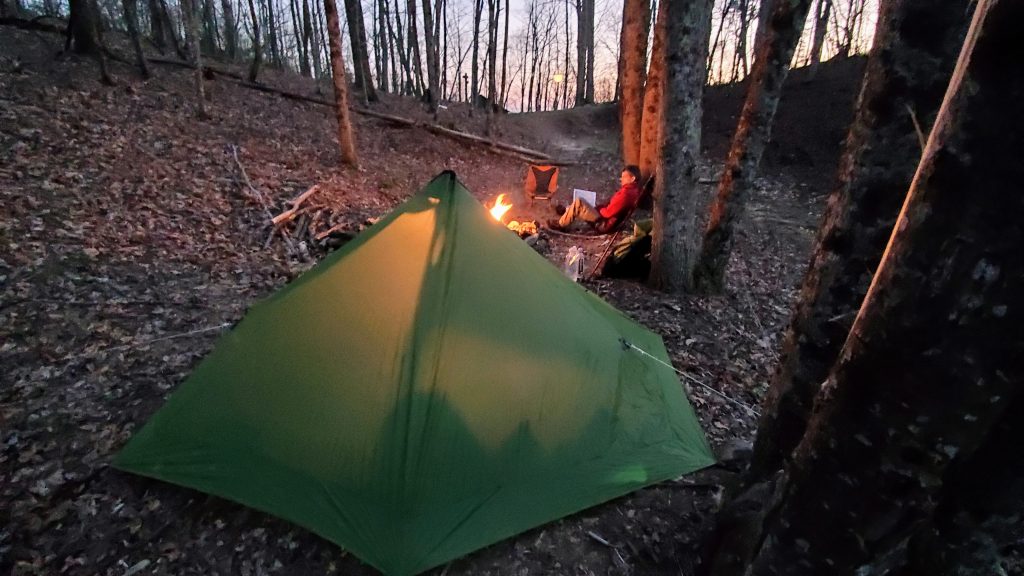
A short-mileage, long-evening camp
Stop early and use the extra time to:
– air out your feet
– filter water without rushing
– cook something simple but satisfying
– write a few lines in a journal
– watch light move through the trees
A one-place afternoon
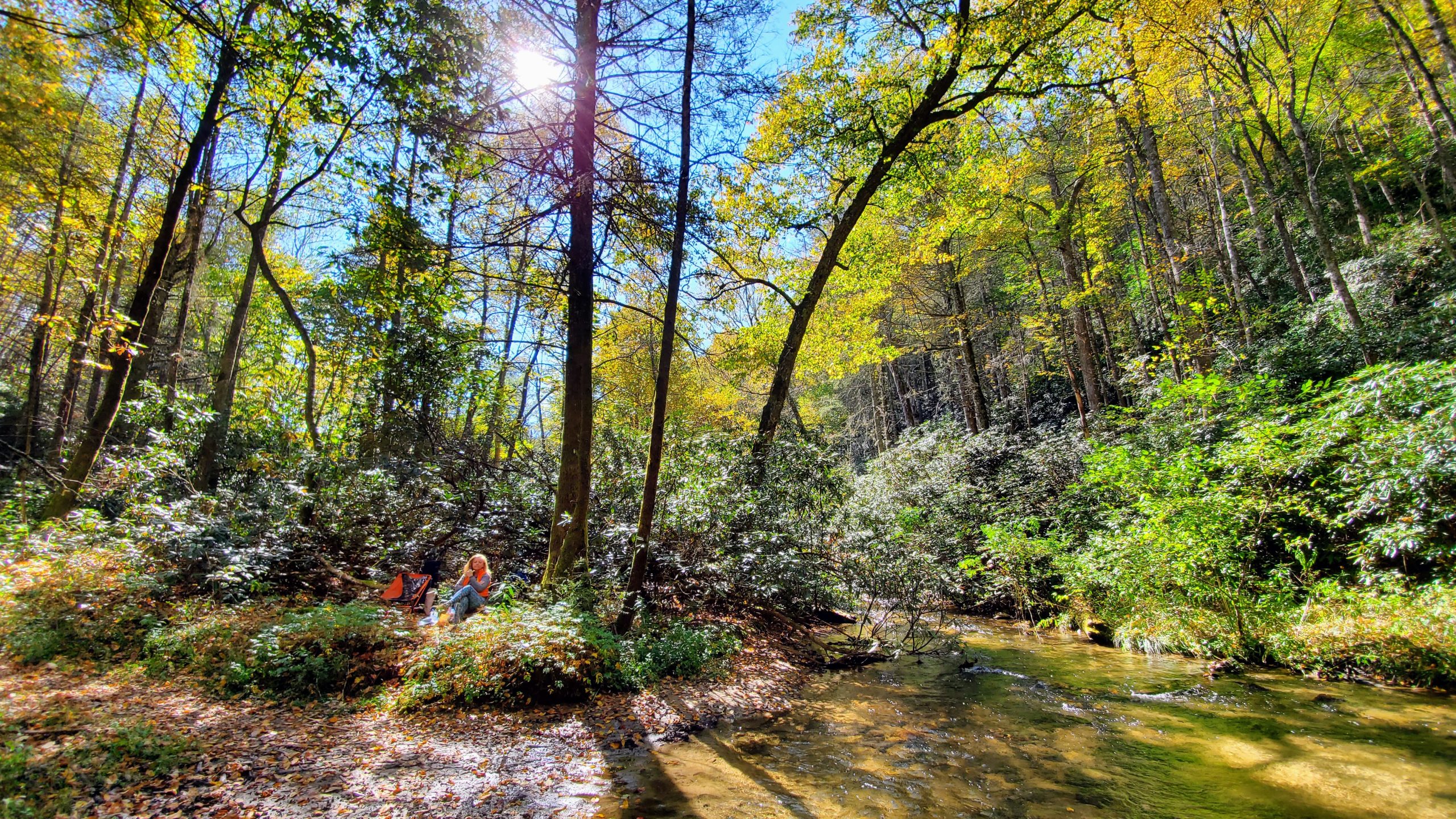
If you find a creek bend, a rock shelf, or a quiet ridge that feels right, stay put. Make tea. Sketch. Watch the clouds. Do nothing productive.
This is how wilderness shifts from scenery to relationship.
Early spring ramp-up: a gentler challenge
Trade the checklist for a practice
If peak bagging is a game, the BMT is a practice—something you return to, not something you “complete.”
Try one of these BMT-friendly practices this month:
– The Sit Spot: Choose one place and sit quietly for 20 minutes. Don’t photograph it. Just be there.
– The Curiosity Rule: If you feel curiosity—about a sound, plant, or faint old tread—follow it briefly (and responsibly).
– The Quiet Hour: No conversation, no audio—just footfalls and wind.
– The “No Summit Needed” Route: Plan a hike where the endpoint is a campsite, a creek, or a loop—not a named peak.
None of these require special skills. Just willingness.
Why this matters right now
Outdoor culture has never been more social, more trackable, and more shareable. That isn’t all bad—but it can train us to treat wild places as content, and ourselves as performers.
The BMT quietly resists that trend.
It offers:
– solitude without elitism
– challenge without spectacle
– beauty without crowds
– adventure without a scoreboard
It reminds us that wilderness travel is not just something you do to a place. It’s something that can work on you—if you let it.
Support the trail
On your next BMT outing, pick one small section and let it be enough. Don’t chase a number. Don’t rush the breaks. Just walk. Notice. Listen.
And if you’d like to support the people who keep this experience possible—clearing blowdowns, brushing the corridor, maintaining the tread, improving signage, and stewarding the BMT community—consider joining, renewing, donating, or volunteeringwith the Benton MacKaye Trail Association.
The BMT doesn’t need you to “bag” it. It invites you to belong to it—one slow mile at a time.
As Benton MacKaye said: There are three things: to walk, to see, and to see what you see.








 Subscribe via RSS