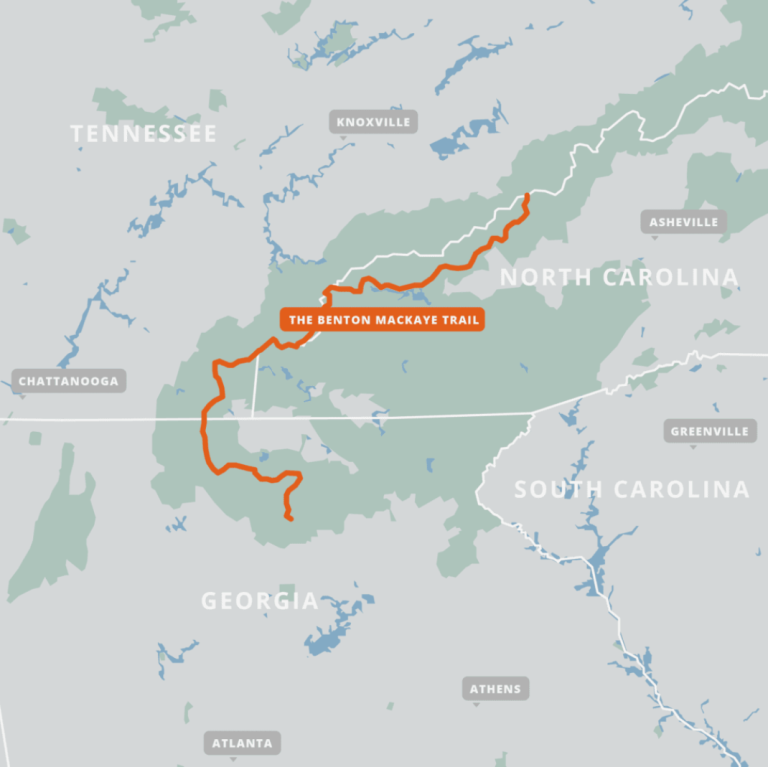
One of the most remarkable—and often overlooked—features of the Benton MacKaye Trail (BMT) is that it functions as a bioregional traverse, carrying hikers through three major Appalachian ecological regions. From ancient Blue Ridge forests to folded valley landscapes and finally into the rugged highlands of the Great Smoky Mountains, the BMT offers a living lesson in Appalachian natural history. Beginning at Springer Mountain and ending nearly 300 miles later at Baxter Creek Trailhead, the trail reveals how geology, elevation, climate, and human history shape the land beneath our boots.
Ecological Region 1: The Blue Ridge Mountains
Springer Mountain, GA → Hiwassee River, TN
Approximate BMT Miles: 0.0 – 108
The Benton MacKaye Trail begins squarely within the Blue Ridge Mountains, one of the oldest mountain systems on Earth and among the most biologically diverse temperate regions in the world.
From Springer Mountain northward through Georgia and into southeastern Tennessee, the BMT passes through deeply eroded ridges, shaded hollows, and expansive wilderness areas. This portion of the trail is defined by:
Rounded, ancient mountains shaped by millions of years of erosion
High annual rainfall and humid conditions
Mixed hardwood forests dominated by oak, hickory, tulip poplar, and maple
Dense rhododendron and mountain laurel understories
Exceptional salamander, moss, and fungal diversity
Major BMT highlights within this region include Rich Mountain, the Cohutta Wilderness (largest designated wilderness in Georgia), and the Big Frog Wilderness. Here, the BMT deliberately avoids high-traffic corridors, favoring long, uninterrupted forest interiors and reinforcing Benton MacKaye’s vision of a trail rooted in ecological integrity and solitude.
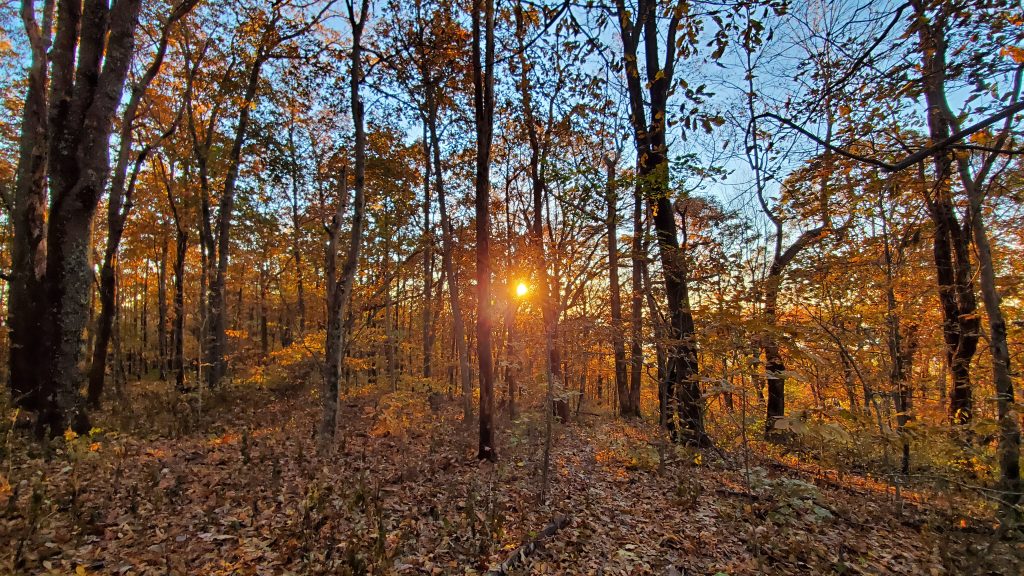
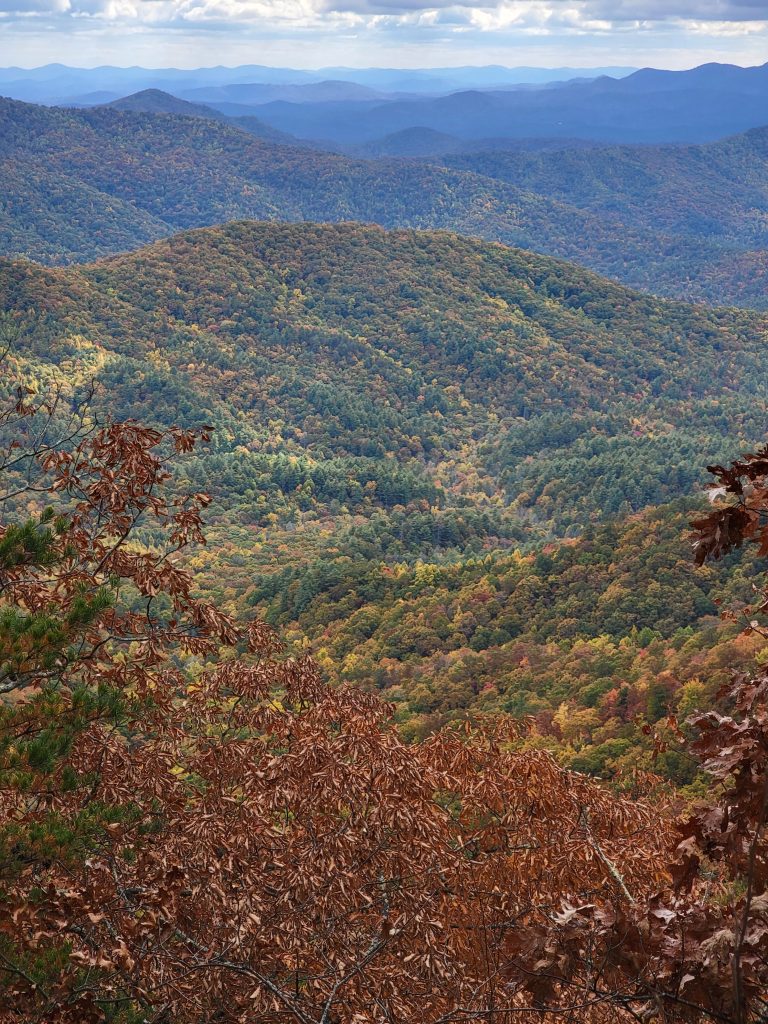
Hemptop - Georgia
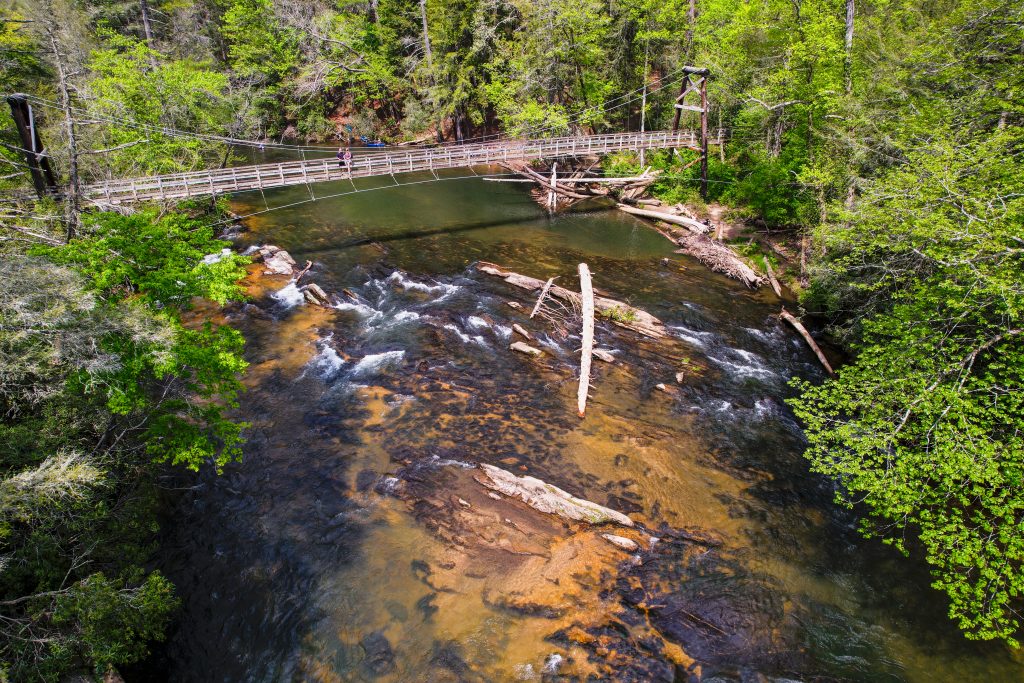
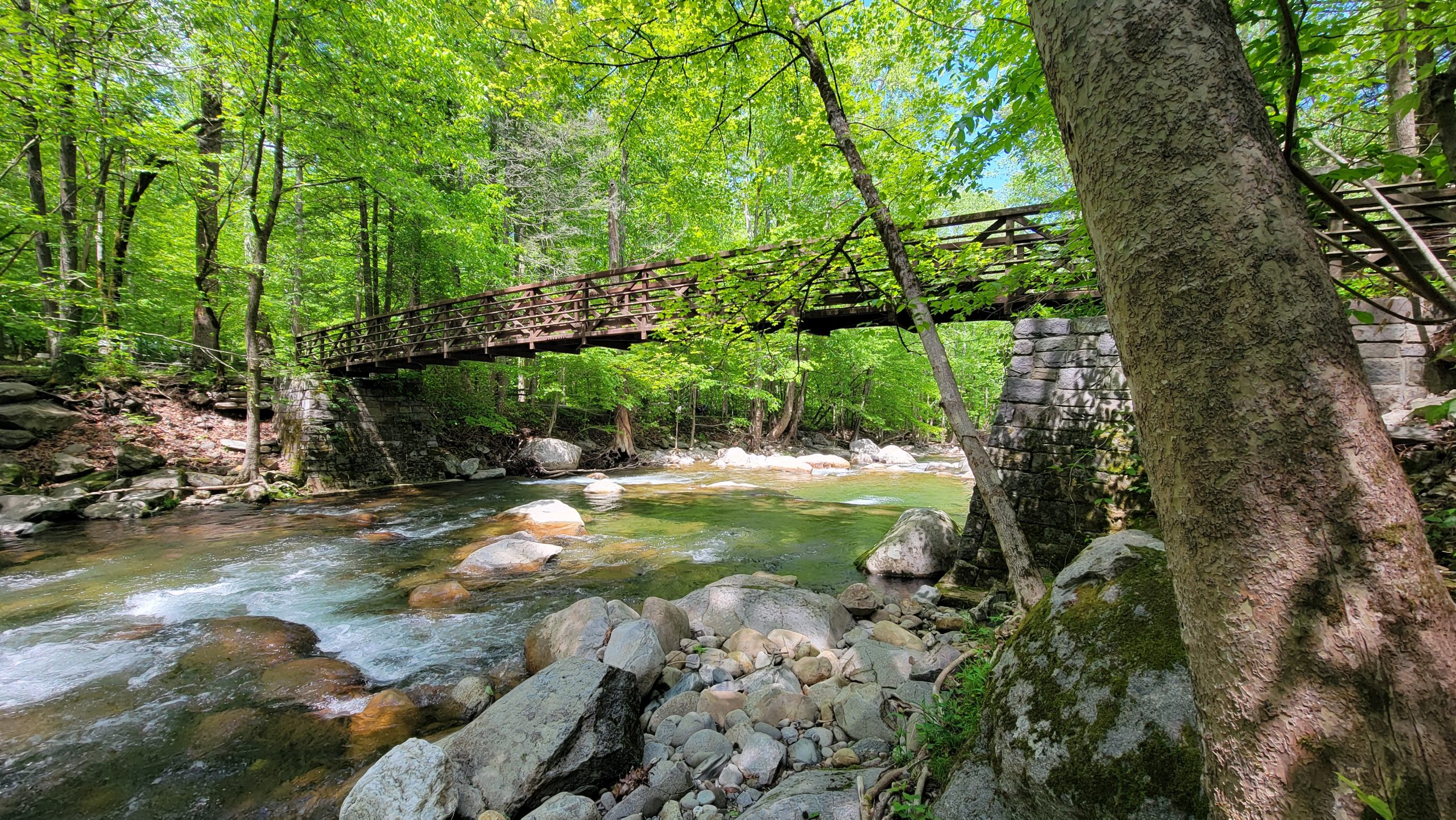
Toccoa River Swinging Bridge - BMT
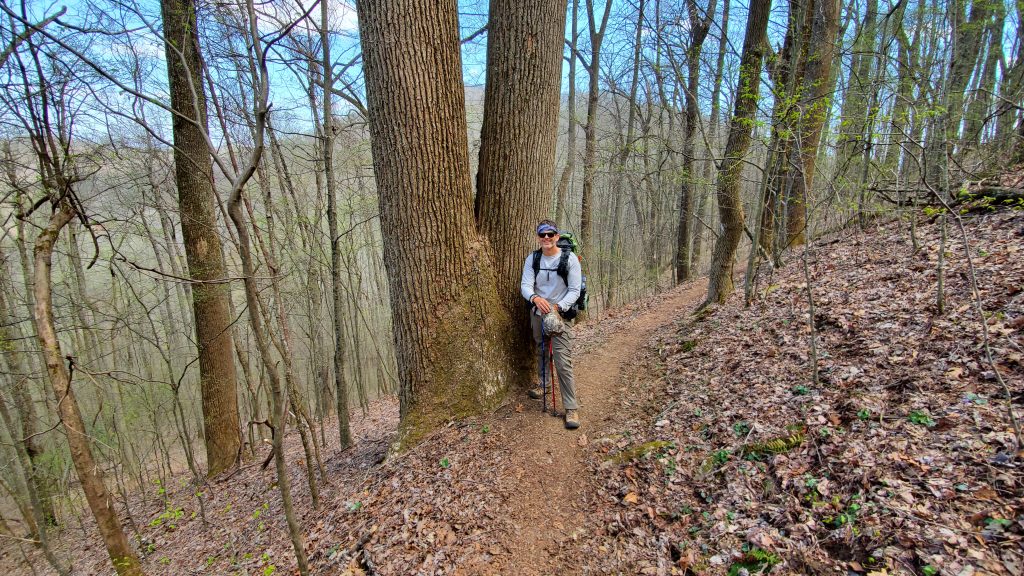
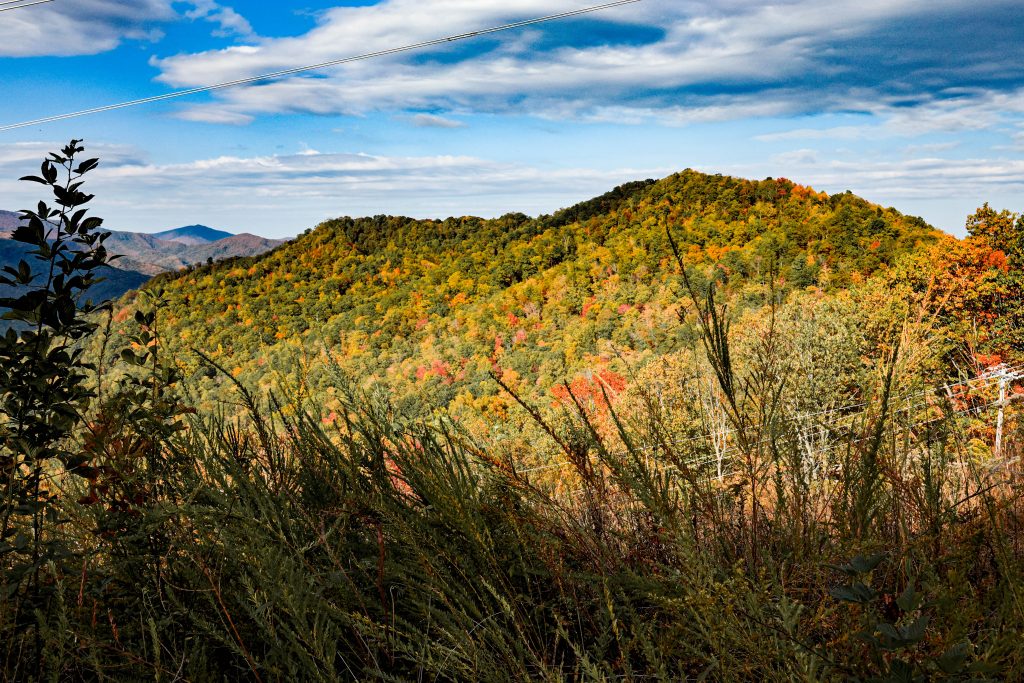
Near Wallalah Mtn, Georgia
Ecological Region 2: The Ridge-and-Valley Appalachians
Hiwassee River / Reliance, TN → Smoky Mountain Foothills
Approximate BMT Miles: 108 – 194
Near the Hiwassee River at Reliance, Tennessee—around mile 108—the BMT undergoes its most pronounced ecological transition, entering the Ridge-and-Valley Appalachian province.
This region contrasts sharply with the Blue Ridge. Parallel ridges and valleys formed by folded sedimentary rock create a long, linear landscape with noticeably different ecological conditions:
Drier climate and greater temperature swings
Oak–pine forests with more open understories
Limestone- and dolomite-influenced soils
Increased visibility of farms, rail corridors, and roadways
On the BMT, this section represents a working landscape—a place where natural systems and human land use visibly intersect. Though less remote than surrounding regions, the Ridge-and-Valley segment serves as a critical ecological bridge between the southern Blue Ridge and the Smoky Mountain highlands to the north.
Near Coker Creek, Tennessee
Slickrock Wilderness, North Carolina
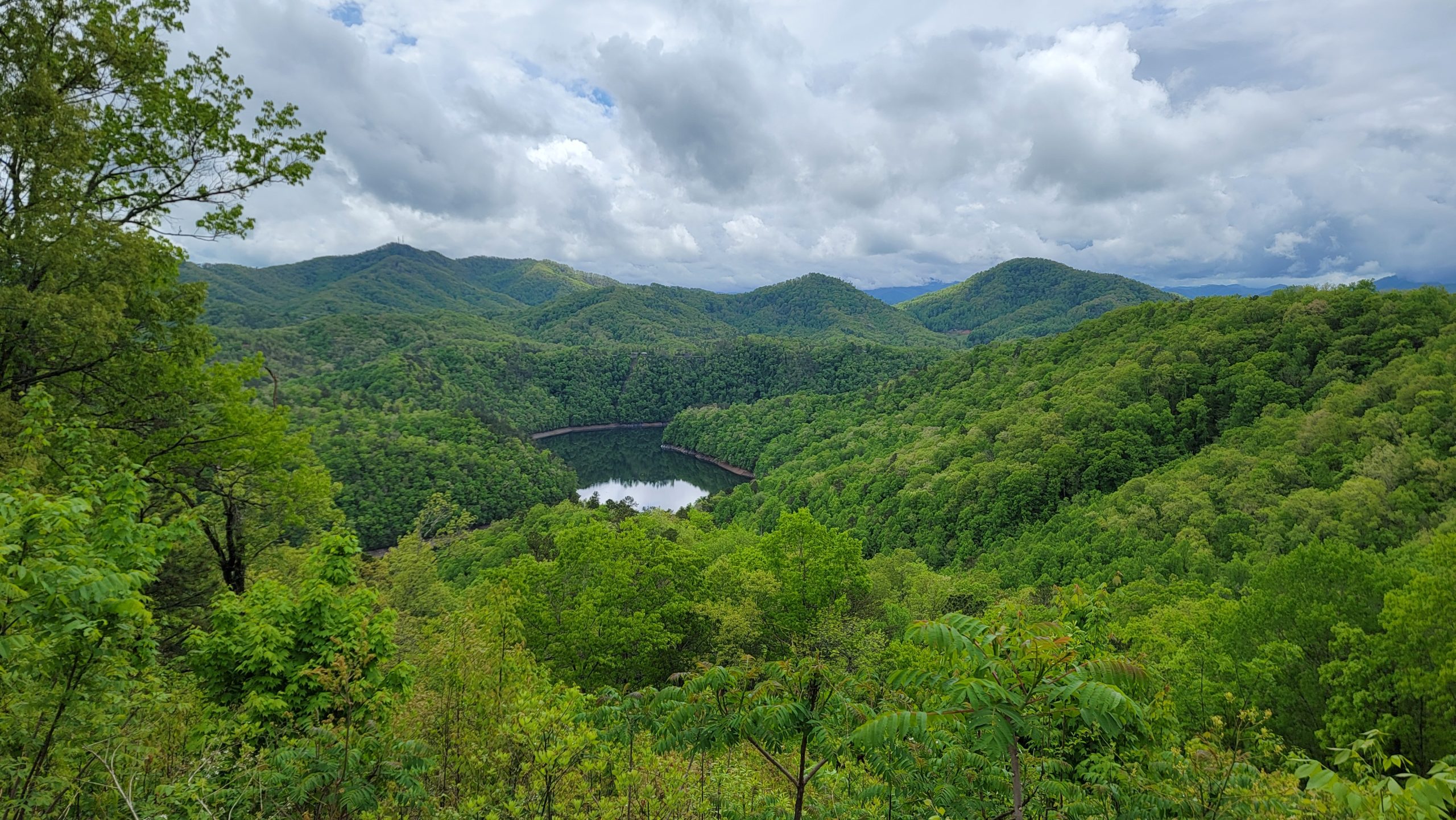
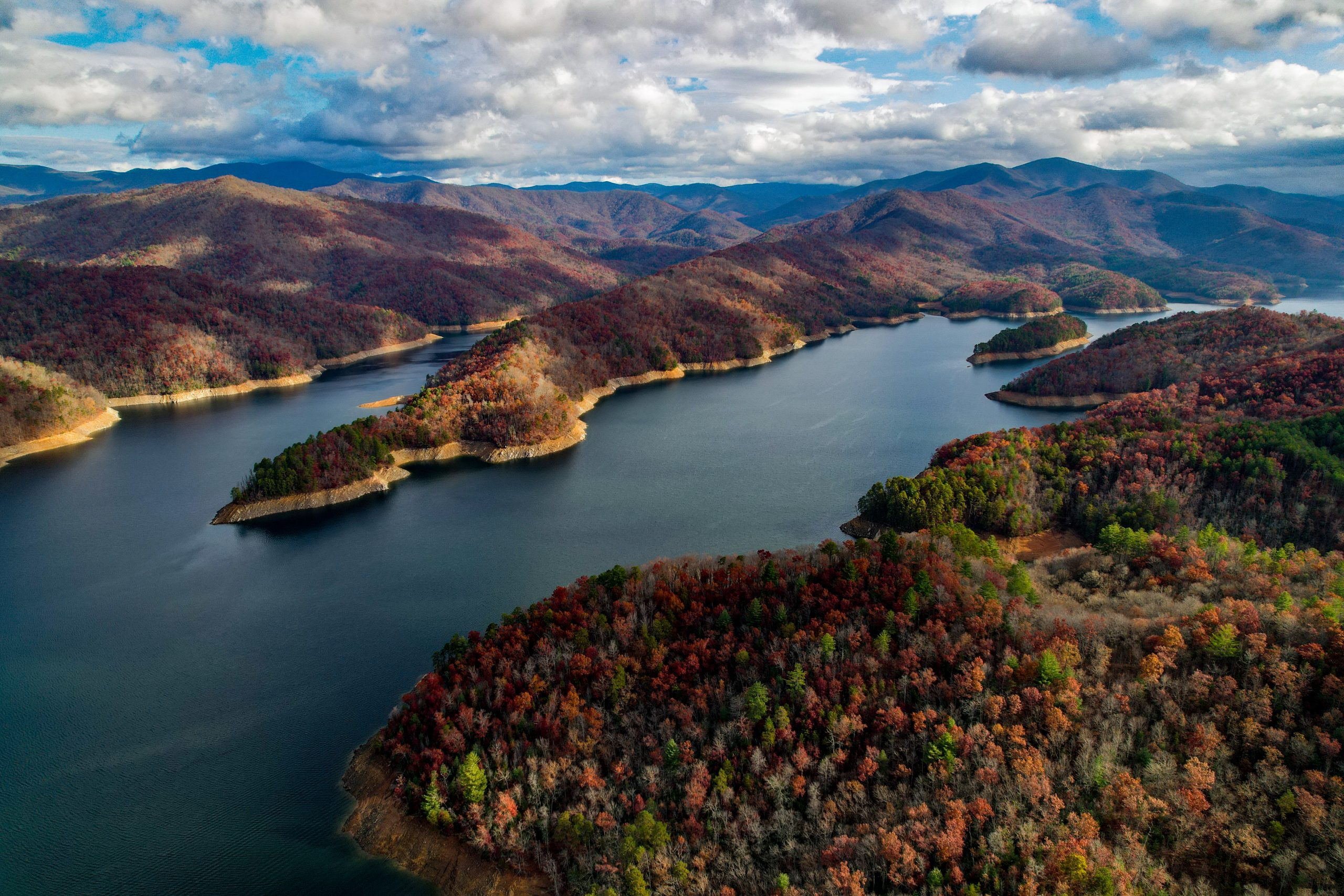
Near Fontana Lake, North Caolrina
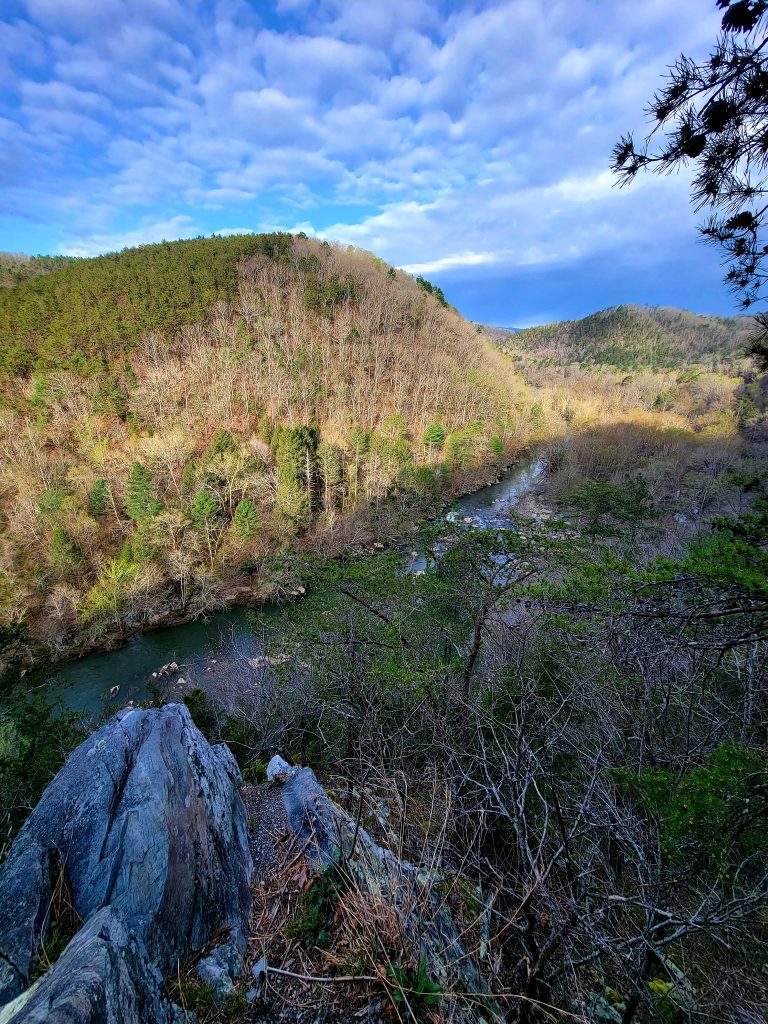
Hiwassee River, Tennessee
Ecological Region 3: The Smoky Mountain Highlands
Great Smoky Mountains National Park → Baxter Creek Terminus
Approximate BMT Miles: 194 – 288
Around mile 194, the Benton MacKaye Trail crosses Fontana Dam and enters Great Smoky Mountains National Park, marking the beginning of its final ecological chapter.
This region—often described as the southernmost extension of boreal Appalachian conditions—is defined by:
Steep elevation gains and rugged terrain
Cooler temperatures and higher precipitation
Old-growth and recovering old-growth forests
High-elevation spruce–fir remnants
One of the densest black bear populations in the eastern United States
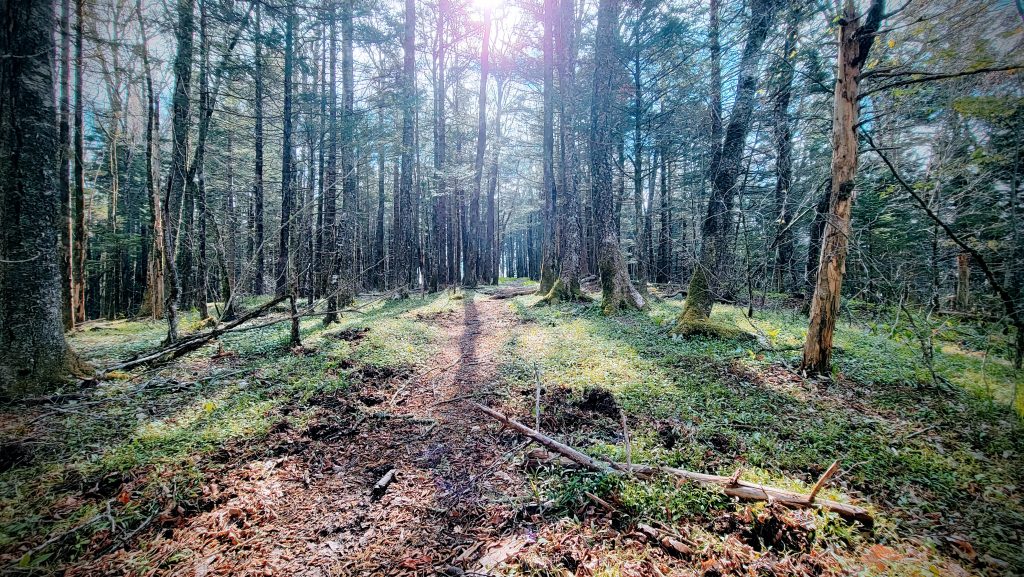
As the trail climbs toward Mount Sterling and then descends via the Baxter Creek Trail, hikers experience cooler air, darker forests, and a renewed sense of deep wilderness. Ecologically, this section feels less transitional and more like a culmination—the BMT’s most remote and physically demanding environment.
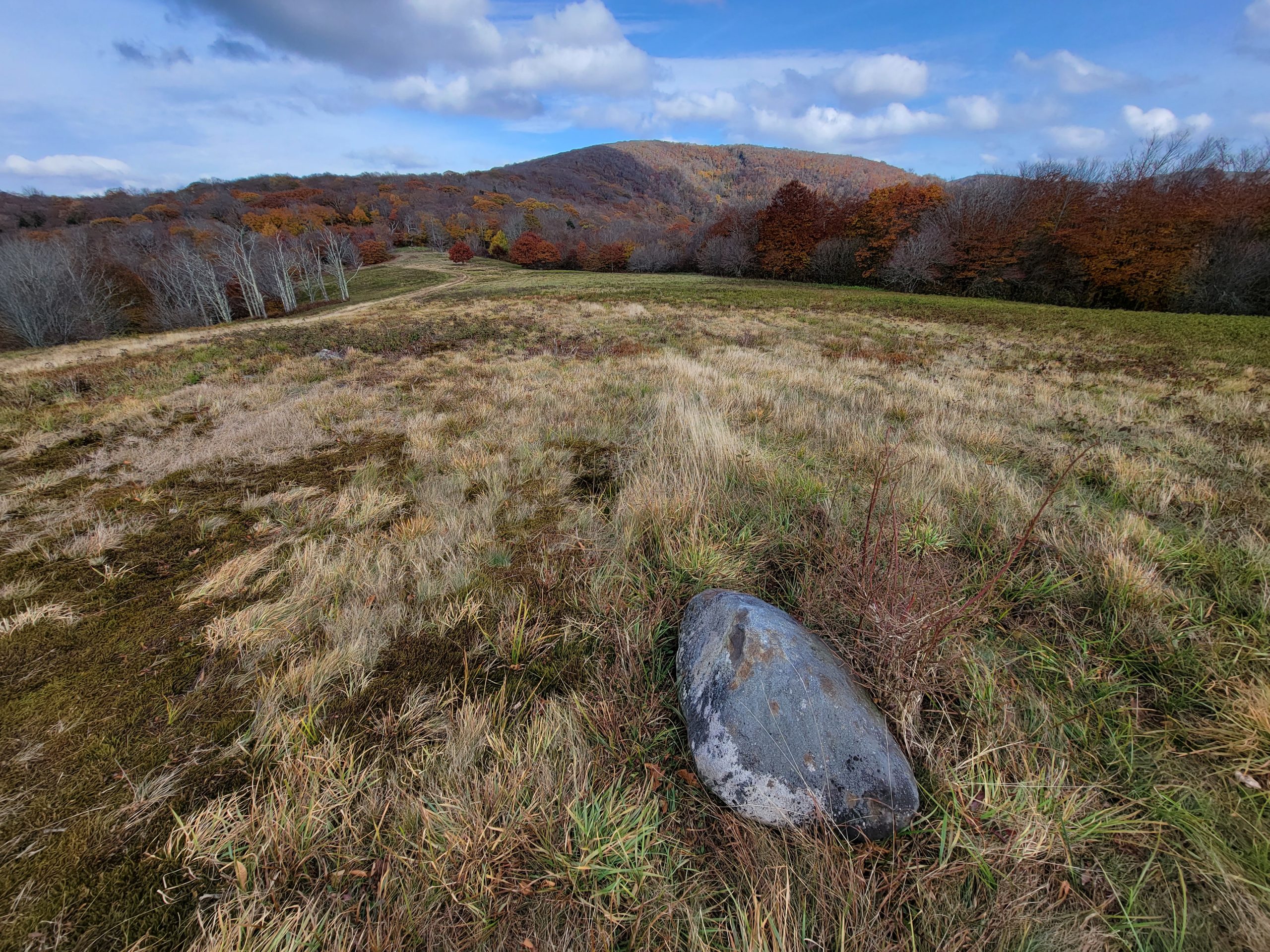
Newton Bald, GSMNP
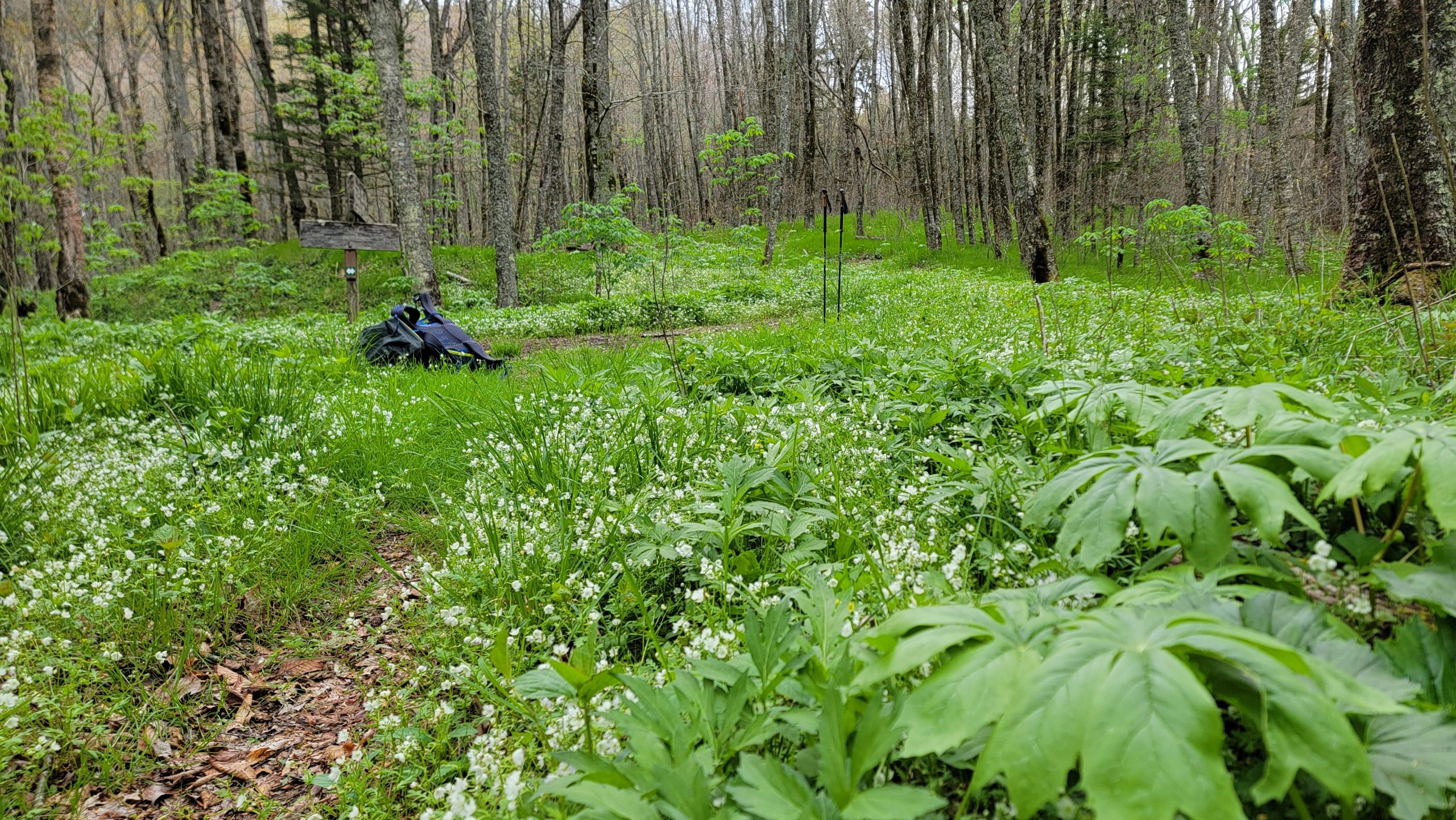
Approaching Mt Sterling, GSMNP
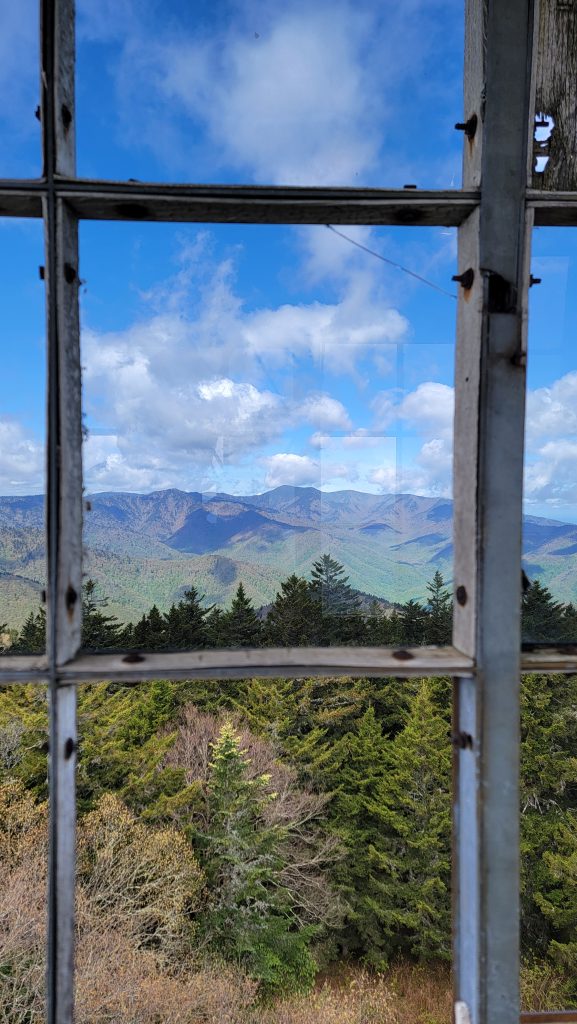
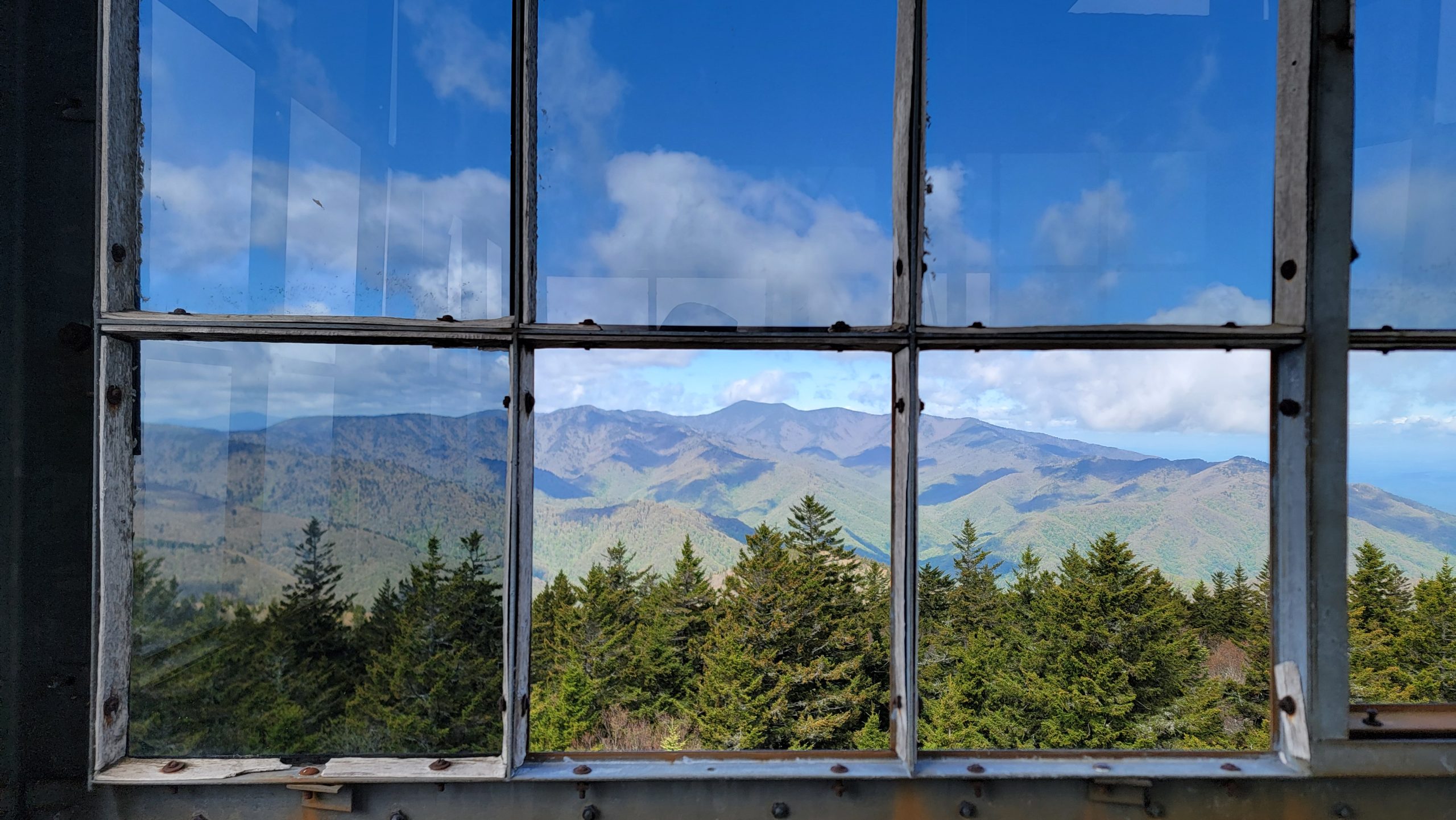
Mt. Sterling Fire Tower, GSMNP
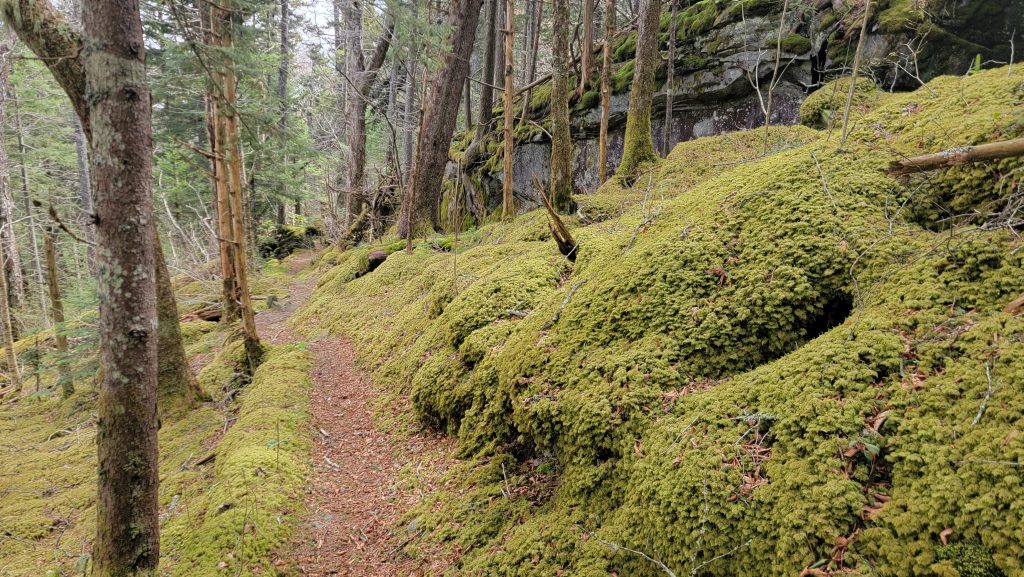
Near Mt Sterling, GSMNP
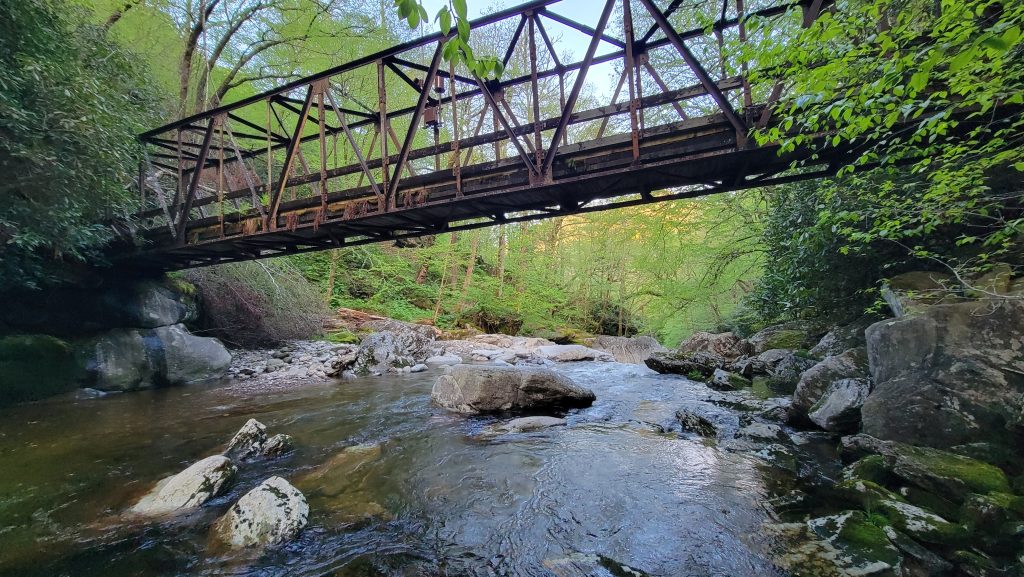
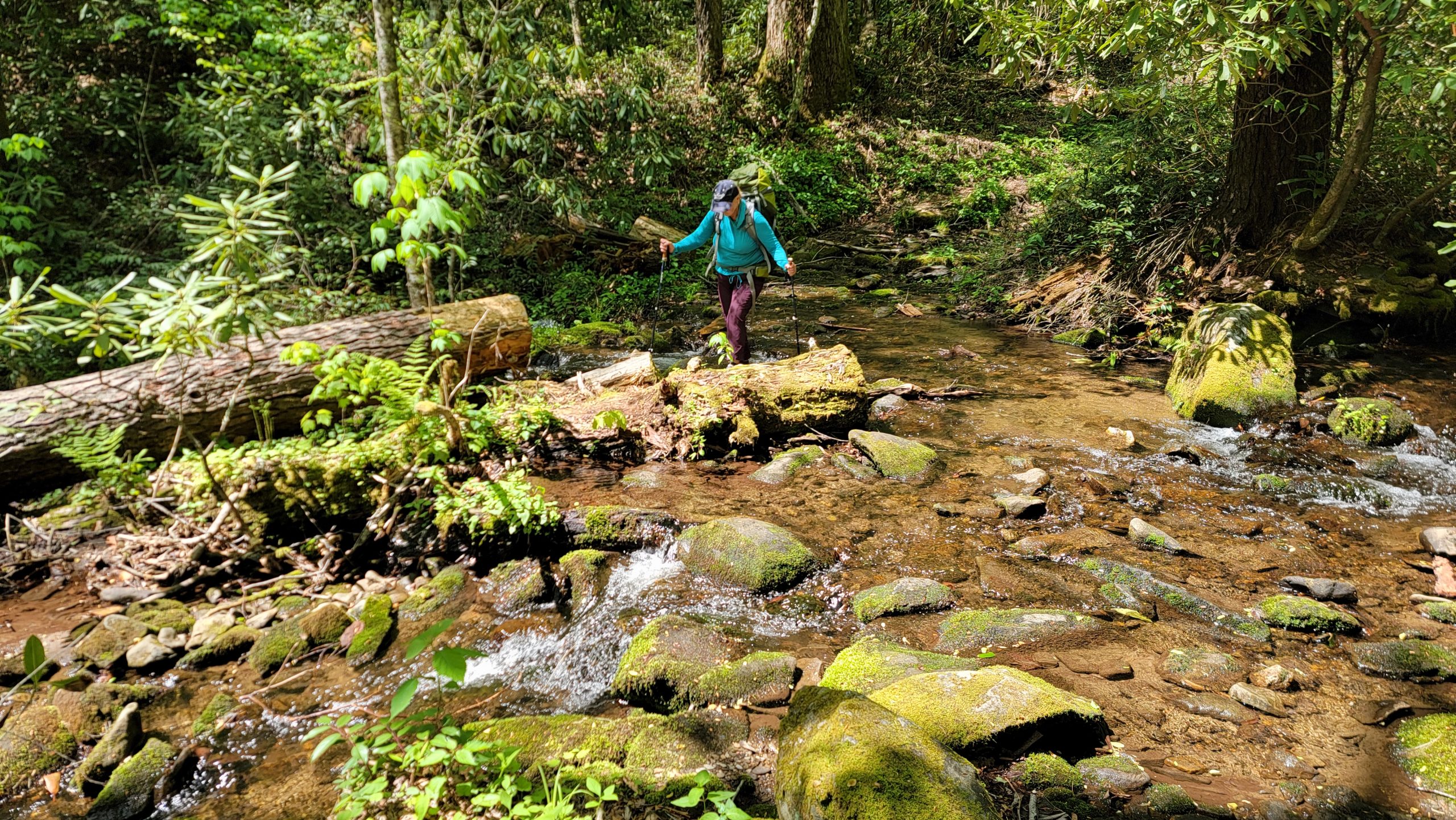
Enloe Creek, GSMNP
A Trail That Teaches the Land
Taken as a whole, the Benton MacKaye Trail is more than a long-distance footpath. It is a bioregional journey—one that reveals how ancient geology, elevation gradients, climate, and human history shape the Southern Appalachians.
By emphasizing wild interiors over crowded viewpoints, the BMT offers hikers a rare opportunity to experience the full ecological breadth of the region, just as Benton MacKaye envisioned.



 Subscribe via RSS