Others are known for a famous view, a challenging summit, or a well-known landmark.
The Benton MacKaye Trail is different.
For nearly 300 miles, the BMT offers something increasingly rare in the modern outdoor world: a continuous journey through some of the wildest and most scenic landscapes of the Southern Appalachians. It connects mountain communities, national forests, wilderness areas, rivers, waterfalls, historic landscapes, and the Great Smoky Mountains National Park into one remarkable hiking experience.
For decades, volunteers of the Benton MacKaye Trail Association have worked to build, maintain, and protect this extraordinary footpath. Today, the trail stands closer than ever to National Scenic Trail designation following recent passage of federal feasibility study legislation in the U.S. House of Representatives.
The question is not simply whether the trail qualifies.
The question may be why it has not already received the designation.
A Trail Rooted in History
The Benton MacKaye Trail is named for Benton MacKaye, the visionary planner and conservationist who first proposed the Appalachian Trail in 1921.
MacKaye’s original vision extended beyond recreation. He imagined a network of trails and protected landscapes where people could reconnect with nature, find solitude, and experience the Appalachian Mountains in a meaningful way.
The BMT reflects that vision in a way few trails can.
While the Appalachian Trail eventually became one of America’s most famous long-distance hiking routes, the Benton MacKaye Trail often feels closer to the wilderness-centered experience MacKaye originally imagined.
That connection alone makes the trail historically significant.
Long Creek Falls, Georgia
Exceptional Scenic and Natural Resources
National Scenic Trails are designated because they showcase outstanding natural beauty and recreational opportunities.
The Benton MacKaye Trail certainly meets that standard.
Along its route, hikers experience:
Long-range mountain vistas
Remote ridgelines
Pristine streams and rivers
Numerous waterfalls
Old-growth forests
Wilderness areas
Diverse plant and wildlife communities
The trail traverses three states—Georgia, Tennessee, and North Carolina—and passes through some of the most celebrated public lands in the eastern United States.
Among them are:
Chattahoochee National Forest
Cherokee National Forest
Nantahala National Forest
Great Smoky Mountains National Park
The BMT also provides access to multiple congressionally designated wilderness areas, offering opportunities for solitude that are increasingly difficult to find elsewhere.
The Longest Trail in Great Smoky Mountains National Park
One fact often surprises hikers.
The Benton MacKaye Trail is the longest trail within Great Smoky Mountains National Park.
For approximately 93 miles, the BMT traverses the nation’s most visited national park, connecting hikers with some of the park’s most scenic and less-traveled areas.
This alone distinguishes the trail among long-distance hiking routes in the eastern United States.
Few trails can claim such a significant presence within one of America’s crown jewels of public land.
A Different Hiking Experience
The Benton MacKaye Trail is often compared to the Appalachian Trail, and understandably so.
The two trails share portions of the Southern Appalachian landscape and occasionally cross paths.
Yet the experience is distinctly different.
Many hikers describe the BMT as:
Quieter
Less crowded
More remote
More immersive
More reflective
The trail offers opportunities to experience solitude without sacrificing access to spectacular scenery.
In an era when many outdoor destinations face increasing visitation pressures, the BMT provides an alternative that remains true to the spirit of wilderness travel.
That character is one of its greatest strengths.
A Trail Built by Volunteers
Perhaps the strongest argument for National Scenic Trail designation is the community that supports it.
The Benton MacKaye Trail did not appear overnight.
It was built through decades of effort by dedicated volunteers, public land managers, conservation organizations, and local communities.
Today, BMTA volunteers continue to:
Maintain hundreds of miles of trail
Construct and repair trail structures
Clear blowdowns
Improve drainage
Protect natural resources
Lead hikes and educational programs
Advocate for the future of the trail
National Scenic Trail designation would recognize not only the trail itself but also the people who have made it possible.
Benefits Beyond the Trail
Designation would provide benefits extending well beyond hikers.
Communities along the BMT corridor already benefit from outdoor recreation through lodging, restaurants, outfitters, guide services, and tourism-related businesses.
National Scenic Trail status could increase awareness of these communities while encouraging sustainable recreation and conservation.
At the same time, designation would strengthen long-term partnerships among federal agencies, state agencies, local governments, and nonprofit organizations working to protect the trail.
Most importantly, it would help ensure that future generations can enjoy the same landscapes and experiences that hikers value today.
The Effort Is Gaining Momentum
While the Benton MacKaye Trail’s scenic beauty, history, and wilderness character make a compelling case for National Scenic Trail designation, the effort is no longer simply a vision for the future. In 2026, meaningful progress has been made toward turning that vision into reality.
On June 2, 2026, the U.S. House of Representatives passed H.R. 2768, the Benton MacKaye National Scenic Trail Feasibility Study Act of 2025. The bipartisan legislation was sponsored by Representatives Chuck Fleischmann (TN), Steve Cohen (TN), Chuck Edwards (NC), and Lucy McBath (GA).
The bill directs the U.S. Forest Service to conduct a formal feasibility study of the Benton MacKaye Trail and requires that study to be completed within two years.
This is a significant milestone.
The feasibility study will examine the BMT’s scenic, recreational, natural, historic, and cultural resources, as well as opportunities for long-term protection and management.
For the Benton MacKaye Trail Association, the House vote represents years of work by volunteers, supporters, partner organizations, and elected officials across Georgia, Tennessee, and North Carolina.
As BMTA President Bob Cowdrick noted following passage of the bill:
“This is a big step forward toward permanent protection for the Benton MacKaye Trail.”
A Milestone Worth Noting
The last National Scenic Trail designation approved by Congress occurred in 2009. If successful, the Benton MacKaye Trail could become America’s 12th National Scenic Trail.
The momentum behind the effort reflects the extraordinary qualities of the trail itself.
Ninety-five percent of the BMT’s 288-mile route is already located on public lands. Approximately 173 miles already benefit from the enhanced protections afforded to designated Wilderness Areas.
National Scenic Trail designation would help ensure that the entire trail corridor remains protected and managed as one of America’s premier long-distance hiking experiences.
The designation could also bring significant benefits to communities along the trail. More than 100,000 people hike portions of the BMT each year, supporting local businesses, lodging providers, restaurants, outfitters, and gateway communities throughout the Southern Appalachians.
The House has now done its part.
The legislation moves next to the Senate, which must approve the bill before the feasibility study can begin. Supporters of the trail are encouraging hikers, volunteers, outdoor enthusiasts, and community leaders to make their voices heard and encourage Senate action.
For supporters of the BMT, the opportunity has never been closer.
National Scenic Trails map as of 2026
A Trail Worthy of National Recognition
National Scenic Trail designation is not about changing the Benton MacKaye Trail.
It is about recognizing what already exists.
A nearly 300-mile footpath that was completed in 2005.
Three states connected by public lands.
A trail rich in history, scenery, and wilderness character.
A volunteer community committed to stewardship.
And a hiking experience unlike any other in the Southern Appalachians.
The recent progress in Congress demonstrates that more people are beginning to recognize what BMT hikers, volunteers, and supporters have known for years: the Benton MacKaye Trail is one of America’s truly exceptional long-distance trails.
National Scenic Trail designation would simply ensure that this remarkable trail receives the recognition—and protection—it deserves.
How You Can Help
The Benton MacKaye Trail has reached an important moment in its journey toward National Scenic Trail designation.
The House of Representatives has acted. The next step is Senate approval of the feasibility study legislation.
If you believe the BMT deserves national recognition and long-term protection, now is the time to make your voice heard.
Learn more about the effort and ways you can help at:
The future of the Benton MacKaye Trail is being written today. Together, we can help ensure that this extraordinary trail receives the recognition and protection it has earned.
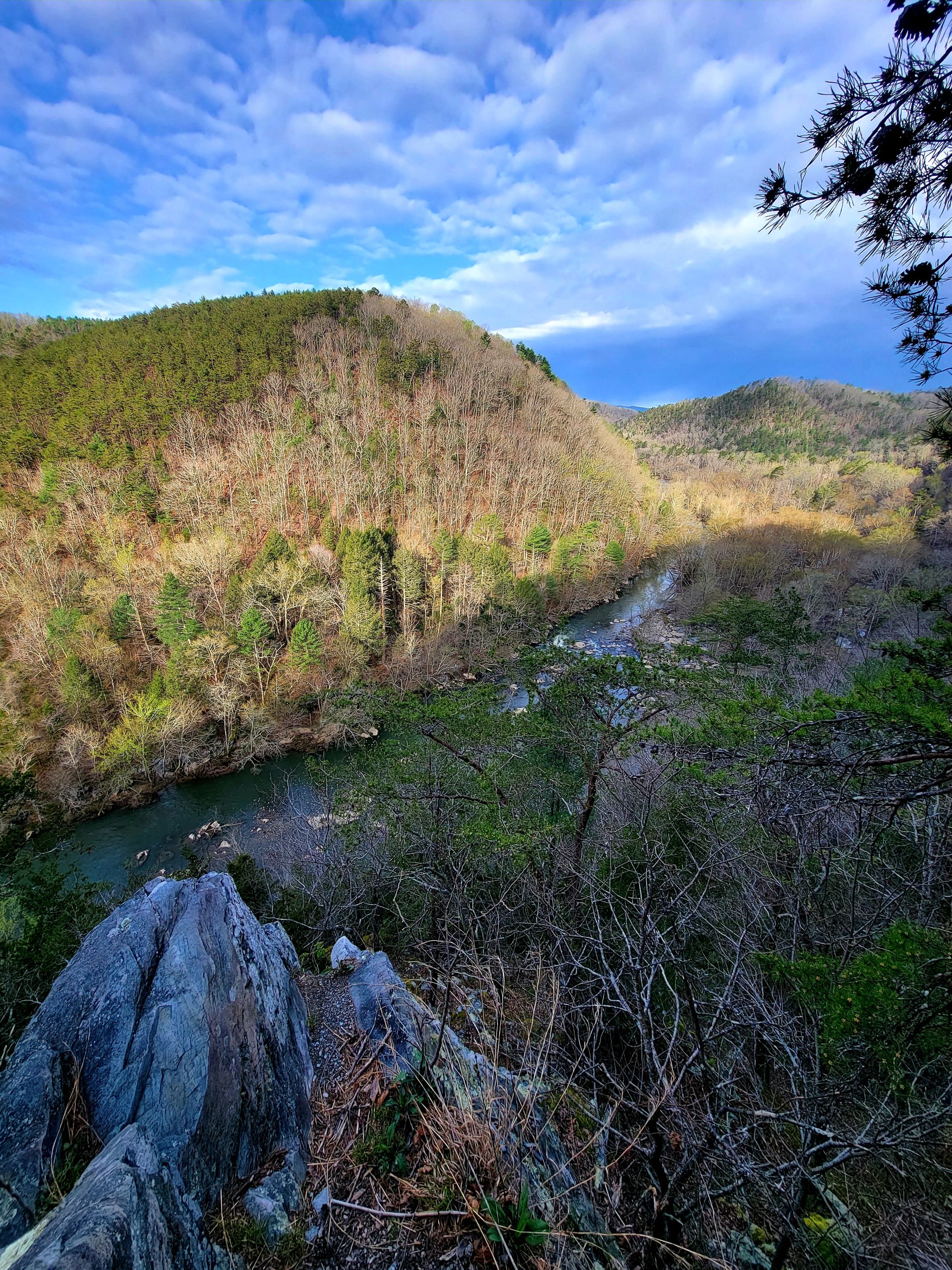
The author on the BMT at the Ocoee River
BMT at Reliance, Tennessee
BMT at Tellico River, Tennessee
BMT crossing over Fontana Dam
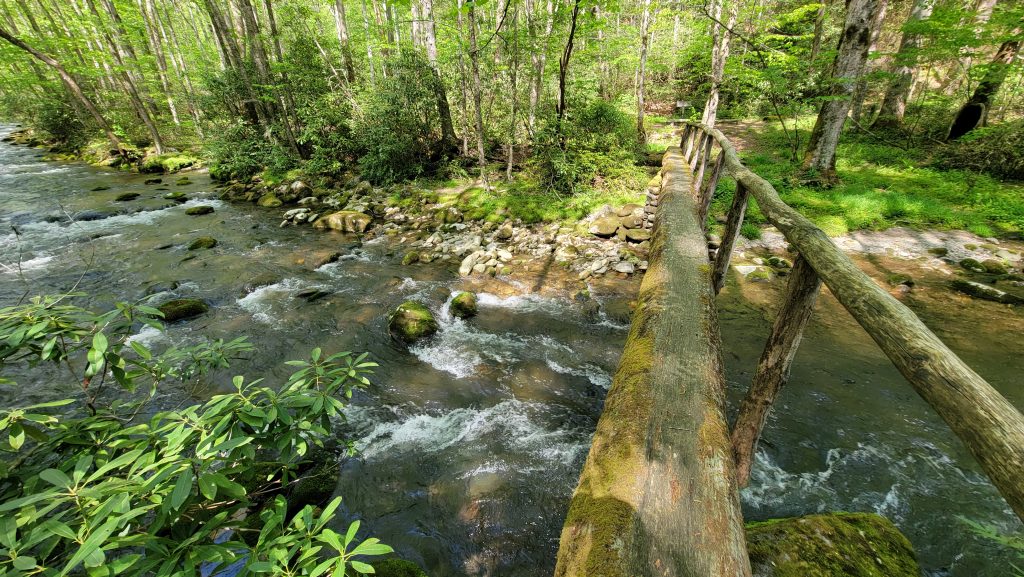
Footbridge over Enloe Creek, GSMNP
Mt Sterling, GSMNP
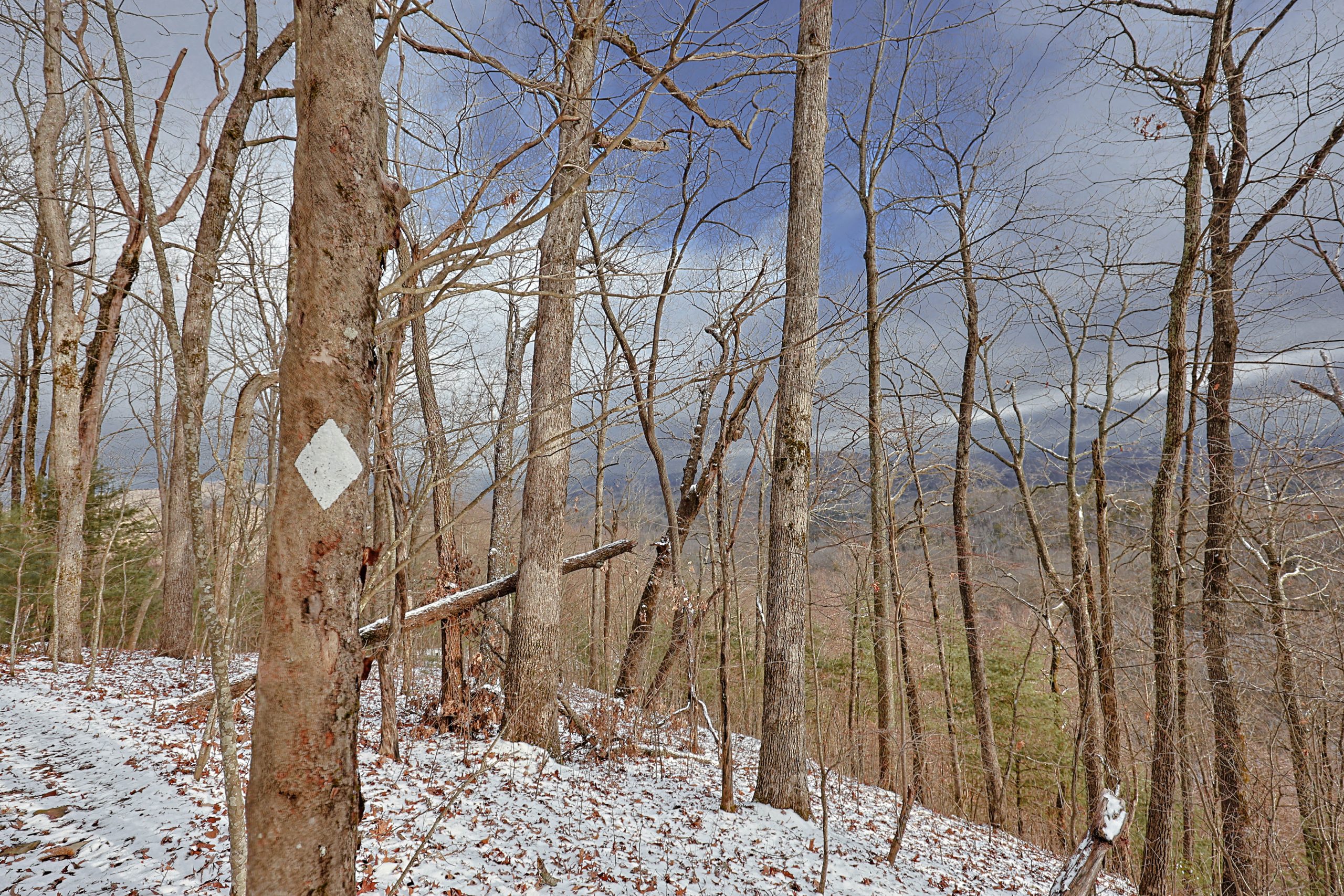
Snowy day on the BMT above Bushyhead Gap, Georgia
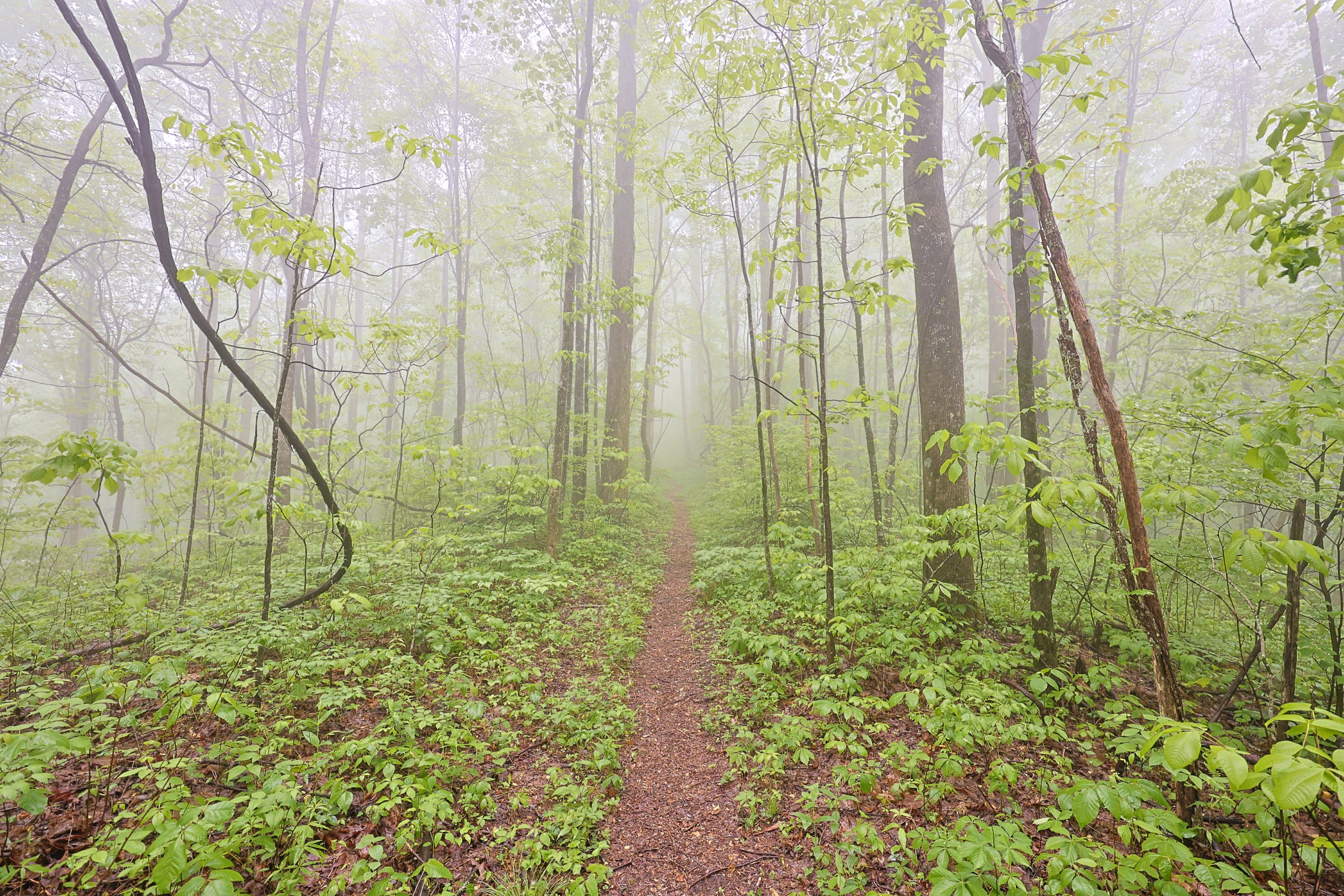
Spring fog near Hudson Gap, Georgia
Summer lush on the BMT near Fowler Mountain, Georgia












 Subscribe via RSS